Residents who eat a standard texture
When residents are happy to eat pasta, a wholewheat recipe can help meet the aim of including more wholegrains in meals. Public Health France lists wholewheat pasta among the foods to choose more often.


Wholewheat pasta may be suitable for a care home meal when a resident eats a standard texture and enjoys the dish. If a modified texture has been prescribed or their food intake is insufficient, the team’s individual guidance takes priority over choosing a wholewheat recipe. When buying, compare the proportion of wholemeal durum wheat semolina, allergens and pasta shape.
When residents are happy to eat pasta, a wholewheat recipe can help meet the aim of including more wholegrains in meals. Public Health France lists wholewheat pasta among the foods to choose more often.
The priority is a suitable dish that the resident will actually eat. If there is a risk of malnutrition, pasta choices should form part of the care plan overseen by professionals, in line with recommendations from the French National Authority for Health.
The pasta shape and preparation must follow the care home’s individual guidance. The French National Authority for Health highlights the importance of assessing swallowing difficulties and the risk of food going down the wrong way. The word ‘wholewheat’ tells you nothing about the texture of the dish being served.
For a care home meal, start with the texture to be served and the nutritional intake required. Then compare pasta recipes that meet those needs.
| Criteria | What to check | Who it matters to |
|---|---|---|
| Texture served | Check the prescribed texture and whether the chosen shape can be prepared in line with the care home’s guidance. | When a texture has been prescribed, I want the meal served to follow the team’s guidance; around 42% of consumers would make this their priority. |
| Appetite and intake | Consider whether the resident will accept the dish and, if necessary, how it fits into the team’s planned nutritional care. | If appetite declines, I prioritise a dish the resident can actually eat; nearly 33% of consumers would prioritise nutritional intake. |
| Ingredients | Read the ingredients list, the proportion of wholemeal semolina where stated, and the nutritional information per 100 g. | For a standard-texture meal, I want to be able to tell a fully wholewheat recipe from a partly wholewheat one; around 25% of consumers would prioritise this choice of ingredients. |
The ingredients in dried pasta don’t tell you whether the prepared dish will meet a prescribed texture. The French National Authority for Health highlights the importance of assessing the risk of food going down the wrong way.
Before ordering, distinguish between meals with a standard texture and those that need individual preparation, and follow the care home’s guidance.
Recipes vary. Carrefour’s product listing for Panzani penne states that it contains 50% wholemeal durum wheat semolina, while a Carrefour pasta product lists wholemeal durum wheat semolina as an ingredient.
Read the ingredients list and check the proportion of wholemeal semolina before comparing nutritional values.
When food intake is insufficient, the amount actually eaten and the individual care plan matter more than the pasta’s ingredients alone. The French National Authority for Health includes enriching traditional food among the approaches to care.
If a resident has a poor appetite or is at risk of malnutrition, ask the care home’s professionals to approve the meal.
These wheat-based pastas contain gluten. Depending on the product listings consulted, possible traces of other allergens are also noted, including egg, soya or mustard.
Keep the details for each product you buy and check the label on the batch delivered against residents’ dietary restrictions.
A change of product may also mean the kitchen has to review the ingredients of the planned menu.
Barilla’s ‘Wholewheat’ range includes coquillettes, linguine, penne rigate and spaghetti, among other varieties. That gives kitchens looking for a wholewheat recipe several shapes to choose from.
The ‘Complètement Bon !’ range includes torti, penne and coquillettes, among other varieties. It gives you a partly wholewheat recipe to compare with the pasta usually served.
A 500 g bag of Carrefour wholewheat durum wheat pasta lets you compare its ingredients list directly with those of other recipes.
E.Leclerc lists a 500 g product of Turini wholewheat penne, which you can compare by ingredients and nutritional information.
These two wholewheat pasta products are worth considering for standard-texture meals. Choosing either one does not replace individual texture guidance or care for insufficient nutritional intake.
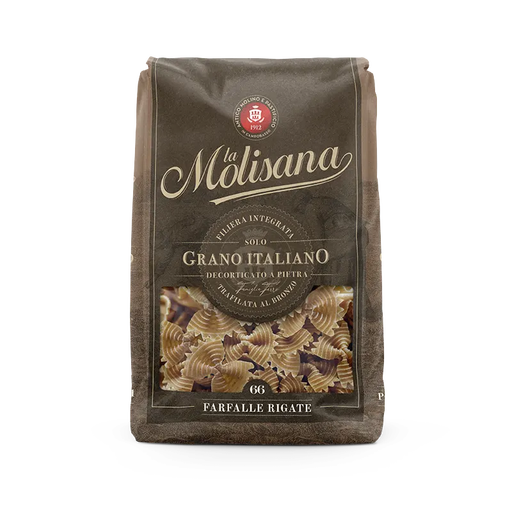 Image unavailable
A farfalle shape to consider for a standard-texture wholewheat pasta meal. Check that it can be prepared to suit the texture required for the residents concerned.
Pack size shown: 500 g. Before serving, check the batch label for gluten and any potential allergen traces.
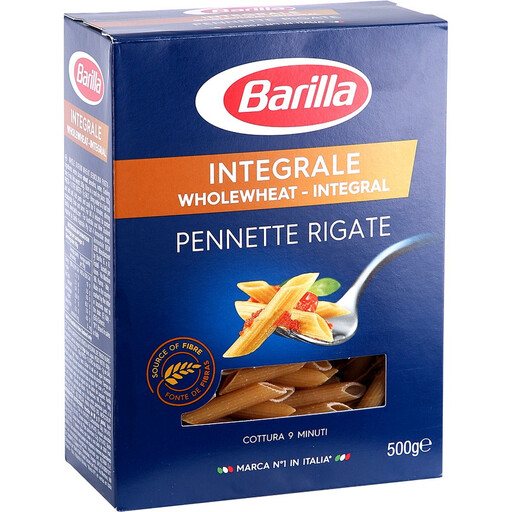 Image unavailable
A Pennette Rigate shape to consider for a standard-texture meal when the kitchen is looking for a fully wholewheat recipe. Joybuy’s listing for this product states that it is made with 100% wholemeal durum wheat semolina and contains 8 g of fibre per 100 g.
Check the cooking time for the dish you’re planning, as well as the batch label. This product contains gluten and may contain traces of soya and mustard.
No. It may suit a resident who eats a standard texture and enjoys the dish, but it can’t replace a prescribed texture or nutritional care plan. If a resident has difficulty chewing or swallowing, a poor appetite or a risk of malnutrition, their meal must follow the team’s individual guidance.
Read the ingredients list and check the proportion of wholemeal semolina where stated. Carrefour’s listing for Panzani penne specifies 50% wholemeal durum wheat semolina, while Joybuy’s listing for Barilla Pennette Rigate Integrali states that this product is made with 100% wholemeal durum wheat semolina.
Not automatically. The priority is a suitable meal that the resident will actually eat. The French National Authority for Health includes enriching traditional food as part of malnutrition care, so pasta choices should fit the guidance of the professionals looking after the resident.
Check the ingredients and any traces listed for the exact product, then check the batch supplied. The wheat-based pastas featured here contain gluten; some product listings also note possible traces of egg, soya or mustard, depending on the product.