
Livraison le jour même ou le lendemain

Qualité garantie

Débloquez vos offres de bienvenue: Livraison GRATUITE | Jusqu'à -80 % | 30 jours d'essai gratuits à JoyPlus
Téléchargez l'application
Buying wholesale products can reduce the price per unit and simplify the organisation of a kitchen, shop or event. But bigger does not always mean better value. An unsuitable quantity, poor storage or an incomplete product listing can turn a saving into wasted stock.
This selection is aimed at catering professionals, caterers, specialist retailers, associations, schools and individuals who regularly prepare meals or organise events.
A 1.5 kg bag of tea or a pack of six one-litre bottles may seem excellent value. To compare products properly, calculate the price per portion, litre or number of servings instead. A product that does not keep well after opening may ultimately cost more than a smaller format, even if its purchase price is lower.
Use this simple formula to make the right calculation:
Unit cost = pack price ÷ total usable quantity
For tea, also estimate how many cups you can prepare. For a sauce, calculate the cost per litre. For party products, divide the total price by the number of guests you actually expect.
Loose-leaf tea should generally be stored in a cool, dry place away from light, moisture and strong odours. Once the packet has been opened, an airtight container becomes particularly useful. Poorly organised storage can cause the product to lose its flavour long before the date shown on the packaging.
Frozen products require a different kind of care. A frozen Korean corndog needs suitable storage space and must be prepared according to the manufacturer’s instructions. Before ordering in bulk, check the storage temperature, how long the product can be kept after defrosting and the actual capacity of your freezer.
Claims such as ‘authentic recipe’, ‘natural’ or ‘premium quality’ are no substitute for a proper technical product description. Before confirming your basket, check the ingredients, allergens, net weight, stated origin, preparation method and the contact details of the manufacturer or responsible person established in the European Union.
For bubble toys and children’s party products, also check the recommended age, warnings, the presence of the CE marking where required and the traceability information.
The right size depends above all on how quickly you use the product. A restaurant serving tea every day might consider a 900 g or 1.5 kg bag. For a family or small association, a 100 to 200 g packet reduces the risk of the tea losing its flavour before it has been used up.
Professional packaging should also suit your equipment. Six one-litre bottles are easier to store and distribute than a single container with a very large capacity. You can keep the bottles sealed in reserve and only open the ones you need.
For loose black tea or loose green tea, examine the ingredients list carefully. Plain black tea will not have the same composition as a recipe flavoured with citrus, orange or bergamot. Food products should be checked against your customers’ needs, particularly where allergies or dietary restrictions are involved.
Japanese soy sauce bought in bulk may contain soya and wheat. In a corndog, the batter and sausage may also contain wheat, soya, celery or other ingredients that must be declared. The product listing and the label supplied with the delivery remain the references to follow.
A product intended for catering must be suitable for preparation with the equipment you have available. The Rengi corndog shown below can be prepared in the oven or an air fryer, which may be useful in a kitchen without a traditional deep-fat fryer. For hot drinks, make sure you have a kettle, drinks urn or machine capable of bringing water to the boil quickly.
For a party, the number of items matters just as much as the design. A pack of 24 bubble wands can be handed out among the children, but the recommended age and supervision instructions must be followed.
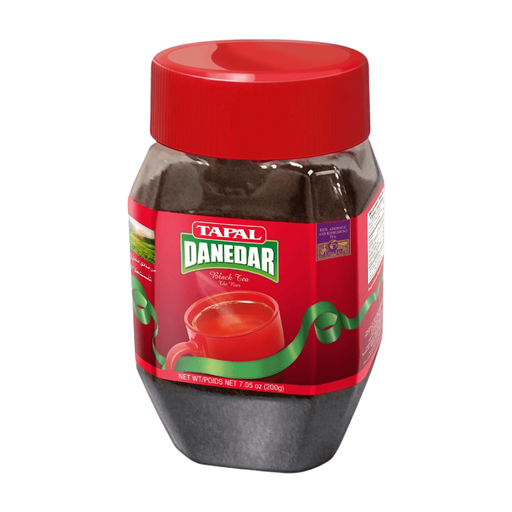
Why this choice suits this profile : This 200 g format lets you try loose-leaf tea without building up a large запас. It is suitable for a household, small association or shop looking to test a new product line.
The moderate quantity reduces the risk of the tea losing its flavour before use and makes it easier to store in an airtight container.
Loose black tea, net weight of 200 g, with the ingredients listed as 100% black tea.
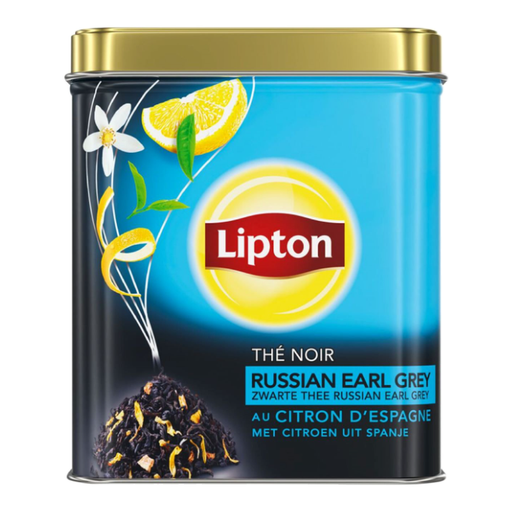
Why this choice suits this profile : This blend combines black tea, bergamot, lemon and flower petals. It may suit a specialist grocer or a business looking to offer a flavoured drink.
The ingredients list details the flavouring ingredients. This allows you to offer a genuinely distinctive product rather than relying on a vague marketing claim.
150 g format, recommended brewing at 100 °C for 2 to 3 minutes, with bergamot and lemon peel declared in the ingredients.
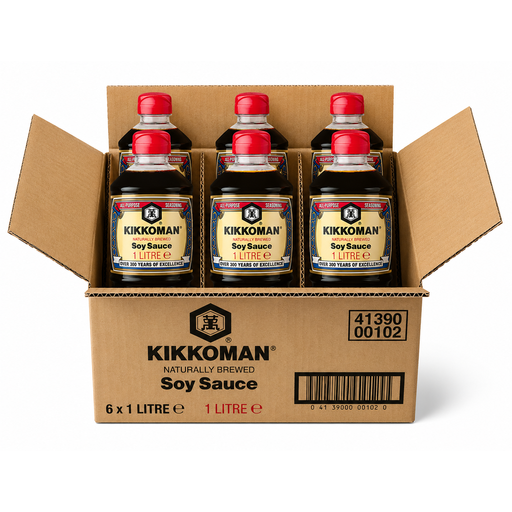
Why this choice suits this profile : The six one-litre bottles are aimed at high-volume kitchens, caterers and professionals or individuals who regularly use Japanese soy sauce.
The separate bottles mean you do not have to open the entire supply at once. Once opened, the product description recommends storing it in the refrigerator.
Pack of 6 × 1 litre, suitable for marinades, sauces, soups and accompaniments, with soya, wheat, water and salt declared in the ingredients.

Why this choice suits this profile : This pack of 24 wands is suitable for birthday parties, fetes, weddings and outdoor activities where several children need to receive a similar item.
The number of pieces is clearly stated and each wand contains 120 ml. The recommended age is 3 years and over, and this guidance must be followed.
24 pieces, 37.5 cm wands, four colours and use by waving the wand rather than blowing directly.
We have selected a complete range, updated in real time, of products that meet these demanding criteria and European safety standards.
Before ordering, create a four-column table: quantity, best-before date, storage conditions and usage rate. This method will help you choose between 100 g of loose green tea, 450 g of black tea or a 1.5 kg bag.
In a shop, keep products in their original packaging whenever the regulatory information needs to remain accessible. On delivery, a caterer should immediately separate dry, chilled and frozen products. A quick visual check of the packaging can also help identify a damaged bottle or torn packet.
The same principle applies to non-food items: count the pieces, organise the packs by event and keep the warnings with the toys. When buying bubble toys in bulk, plan a storage area at room temperature, away from heat and knocks.
Start by estimating your consumption over four to eight weeks. A 150 or 200 g format is generally suitable for a first trial, while a multi-litre pack or 1.5 kg bag is intended for regular use. Your stock turnover should remain compatible with the best-before date and your storage conditions.
Not necessarily. Compare the price per kilogram, litre or item, then take potential waste, storage and the equipment required into account. A pack is only worthwhile if you can use it all in suitable conditions.
Place it in a dry, opaque, airtight container away from coffee, spices and strong-smelling products. Close the container promptly after each use. For professional formats, dividing the supply between several containers can reduce repeated opening and preserve the flavours more effectively.