
Livraison le jour même ou le lendemain

Qualité garantie

Débloquez vos offres de bienvenue: Livraison GRATUITE | Jusqu'à -80 % | 30 jours d'essai gratuits à JoyPlus
Téléchargez l'application
Buying wholesale home and food products can make everyday life much easier for families, offices, restaurants and community organisations. Family-sized formats reduce the need to restock and can sometimes offer better value per kilogram, litre or item. However, the product must genuinely match your needs, available space and rate of consumption.
Before filling your basket, take the time to check a few essential points.
A pack of 30 rolls, 20 bottles or 36 boxes may seem like an obvious bargain. However, the number of sheets, net weight or volume of each unit provides a much better basis for comparison. Two toilet roll packs may show a similar number of rolls while offering very different numbers of sheets and ply.
To compare products properly, calculate the price per roll, sheet, kilogram or litre. This method also works for drinks sold in multipacks, dried fruit and spices in large packs.
Buying food in bulk requires a clean, dry and sufficiently ventilated space. Instant noodles, Asian food products, dried fruit and condiments should be kept in their sealed packaging, away from moisture and heat.
In a business, school or restaurant, you should also monitor stock rotation. A cheap large format can quickly turn into waste if consumption is irregular or the best-before date is approaching.
Descriptions such as “extra soft”, “large capacity” or “family use” are not enough to tell you whether a product will suit you. Instead, check its composition, dimensions, net weight, number of pieces and usage precautions.
For food products, the ingredients and allergen list are essential. For party toys sold in multipacks, check the recommended age and safety instructions. For tableware intended for home or catering use, check the capacity, dishwasher compatibility and warnings regarding breakage.
A bulk purchase should match a predictable level of consumption. For a family, a pack of 10 to 30 rolls can be practical if you have enough space in a dry area. An office or public-facing establishment may prefer larger packs to reduce how often orders need to be placed.
Always compare the information that really matters:
The material affects comfort, durability and care requirements. Paper made from virgin wood pulp, bamboo, ceramic or individually packaged products: each option meets different needs. For example, BREEZE GOLD toilet tissue is described as a three-ply product with 240 sheets per roll, while ochama bamboo toilet tissue offers five-ply paper and 27 rolls.
These features do not constitute a medical or hygiene guarantee. They simply help you compare the product information with your usual requirements. For items that come into contact with food, refer to the manufacturer’s guidance and discard any cracked or chipped pieces.
Imported food products require careful checking. Yum Yum noodles specifically mention the presence of wheat and soya. ChaCha’s mixed nuts contain several varieties of nuts, as well as sesame and milk, depending on the recipe. Dried tofu-based preparations contain soya and must be rehydrated or cooked.
The label on the product you receive remains the definitive reference for ingredients, dates and instructions. For bulk household products and paper goods, store the packaging in a cool, dry place. Even when toilet tissue is described as flushable, it is best to dispose of it in small quantities and take your plumbing system and local pipework into account.

Why this choice suits this profile : With 10 rolls, this pack lets you try a family-sized format without filling your cupboards or buying more than you need.
The product details specify the 4-ply thickness, the weight of 135 g per roll and the fact that it is unscented: information that is easy to compare with other products.
10 rolls, 4-ply paper, virgin wood pulp and a recommendation to store it in a cool, dry place.
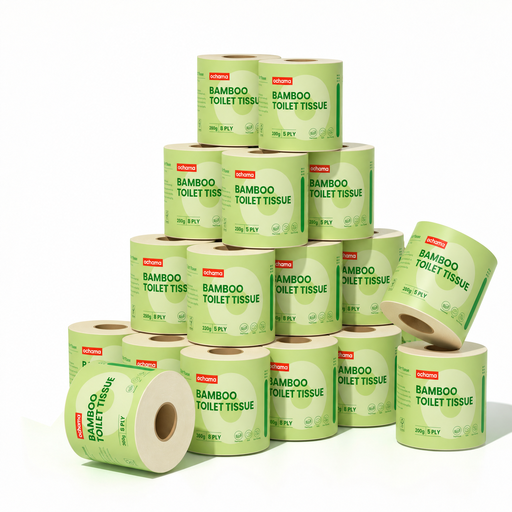
Why this choice suits this profile : This format is designed for households looking for a thicker structure and an alternative to traditional toilet tissue.
The product details clearly state the bamboo material, 5-ply construction and 27 rolls, rather than relying solely on a promise of comfort.
Unbleached bamboo pulp according to the description, 27 rolls and a recommendation to flush them in small quantities.
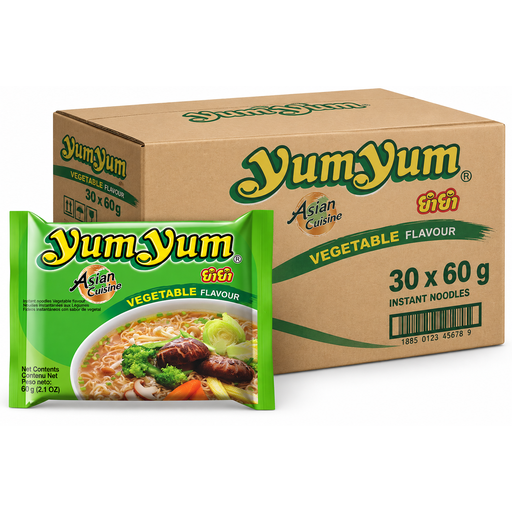
Why this choice suits this profile : This carton is suitable for offices, events, large families and kitchens that regularly serve quick-to-prepare Asian dishes.
The pack states the number of sachets, their individual weight, the declared allergens and the storage conditions.
30 x 60 g sachets, quick preparation, vegetarian recipe, with wheat and soya clearly identified.
We have brought together a comprehensive selection, updated in real time, of products that meet these exacting criteria and European safety regulations.
At home, start with consumables that are used regularly: toilet tissue, boxed tissues, multipack drinks and bulk household products. Then add dried foods — nuts, noodles or large-format spices — only if your household consumes them frequently.
Professionals can organise their purchases according to their activity:
Place heavy products at the bottom, keep food separate from household items and label boxes that have already been opened. Following the “first in, first out” rule helps reduce waste and prevents unpleasant surprises at the back of a cupboard.
Not necessarily. Compare the price per item, delivery costs, space taken up and the risk of waste. If your consumption varies considerably, a smaller pack may ultimately be the most economical choice.
It depends on the date shown on the packaging and the storage conditions. Dried products should generally remain sealed and be kept somewhere cool and dry. Once opened, follow the manufacturer’s recommendations and use an airtight container where advised.
Start by estimating the monthly consumption of regularly used items, then allow a reasonable margin. Before each new purchase, check the dates, the condition of the packaging and how much space you have left.