
Livraison le jour même ou le lendemain

Qualité garantie

Débloquez vos offres de bienvenue: Livraison GRATUITE | Jusqu'à -80 % | 30 jours d'essai gratuits à JoyPlus
Téléchargez l'application
Buying everyday essentials in bulk helps reduce the unit price and prevents you from running out of stock. But a larger pack size doesn't always mean savings. For families, offices, restaurants or event organisers, the same mistakes keep cropping up: misjudging quantities, overlooking storage needs, or skimming the product description too quickly.
Here are the key factors to consider before any bulk purchase, along with a selection tailored to different needs.
A pack of 30 rolls, 36 boxes or 24 toys might look like a bargain. But you need to compare what each unit actually contains: number of sheets, weight, volume per bottle or net weight. With toilet paper, for example, the number of rolls alone isn't enough – the number of sheets per roll and the ply count directly affect how long it lasts.
For family packs, make a habit of checking:
Asian food products, snacks and drinks sold in bulk need a clean, dry space – and sometimes a cool one after opening. A bulky cardboard box can quickly become hard to fit into a flat or a small professional store cupboard.
Dry foods like instant noodles, condiments or soya-based preparations must be kept away from moisture and heat. For drinks, check the best-before date on the packaging and organise your stock using the "first in, first out" principle.
Phrases like "large capacity", "soft" or "durable" should always be backed up by specific data. For paper tissues, look at the number of plies, the dimensions of each sheet and the total sheet count. For children's toys, check the recommended age, warnings and any compliance information on the packaging.
A product that's perfect for a one-off event won't necessarily suit everyday use. The right choice depends above all on your consumption rate and the space you have available.
To compare different packs, use the same unit of measurement. Toilet paper can be compared by the cost per 100 sheets, while a drink is best compared by the price per litre. For office supplies, work out the price per pen or per notebook, taking into account colours and ink features.
A pack of 8 multi-coloured gel pens serves a different purpose from a carton destined for a school. Conversely, a pack of 27 rolls may be better value for a large family than a pack of 10 rolls – provided you have enough room to store it.
For snacks, condiments and ready meals, read the ingredients list and allergen information carefully. The ChaCha mixed nut blend, for instance, mentions cashews, macadamia nuts, pistachios, walnuts, sesame, milk and gluten depending on the flavour. Yum Yum noodles state they contain wheat and soya, with possible traces of celery and sesame.
This information is essential for a buffet, a café or an order intended for several people. It also helps you tell a vegetarian product apart from one containing animal-derived ingredients.
For tableware intended for home or professional use, check the material, capacity and usage conditions. The 415 ml ceramic mugs featured here are described as microwave and dishwasher safe. However, they are still breakable – in a busy space, you'll need to handle them with care.
For toys and party accessories, check the recommended age and any risks from small parts or liquids. The 37.5 cm bubble wands are recommended for children aged 3 and over. The liquid must not be swallowed, and the activity should be carried out under adult supervision.
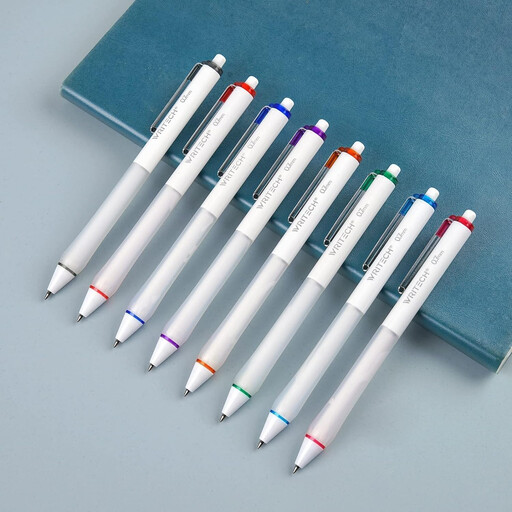
Why this suits this profile: A sensible pack size for starting out with bulk buying at home, in the office or for back-to-school, without taking up too much storage space.
With only 8 pens, the risk of overstocking is limited. The key features are clearly stated: 0.7 mm tip, retractable mechanism and assorted colours.
8 pens, soft grip, multi-coloured gel ink and a medium tip – ideal for taking notes or colour-coding your documents.

Why this suits this profile: A simple, versatile piece of tableware that feels at home in a kitchen, office, café or meeting room.
The capacity, material and care instructions are all specified – so you're not choosing based purely on appearance or the number of pieces.
4 mugs of 415 ml each, lead-free ceramic according to the product description, dishwasher and microwave safe.
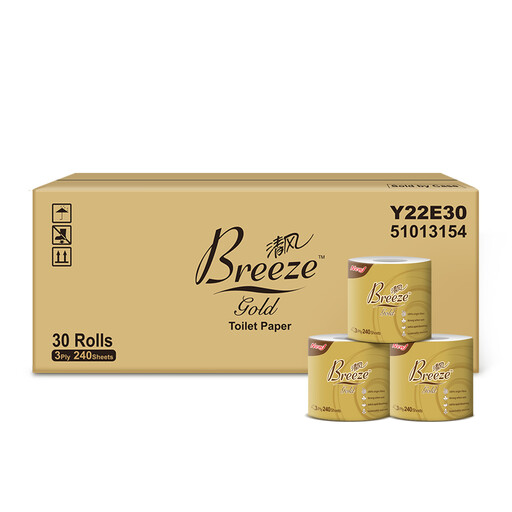
Why this suits this profile: A pack designed for families, offices, holiday lets or professional spaces that use toilet paper regularly.
The total number of sheets and the three plies are stated. The "flushable" claim should, however, be understood in the context of your plumbing and local guidelines.
30 rolls, 240 sheets per roll and three plies – all easy to store in a dry place.

Why this suits this profile: A pack that's easy to hand out at a birthday party, wedding, school event or outdoor activity.
The number of pieces, the 120 ml capacity per wand and the recommended age – 3 years and over – are all clearly stated.
24 units, four assorted colours, a display box and simple to use – just wave the wand.
We've put together a full, real-time updated selection of products that meet these exacting criteria as well as European safety standards.
Start by estimating your household's or business's monthly consumption. For a perishable product or one with a best-before date, choose a pack that covers a few weeks. For toilet paper, tissues and office supplies, a larger pack can work well if you have a dry, easily accessible storage space.
Yes, provided you check the ingredients, allergens, net weight, preparation method and the date on the packaging. A box of 30 portions of 60 g instant noodles is better suited to regular consumption or a group than to a single person. Snacks like banana chips or nuts can be bought for sharing, as long as you follow the storage instructions.
Compare the price per litre, the number of bottles and the space available in your store cupboard. A box of 20 bottles of 500 ml gives you 10 litres in total – so make sure your expected consumption justifies that volume. After opening, follow the storage instructions on the label, especially for drinks containing pieces or aloe vera gel.