If protein is your priority, compare the ‘protein’ figures per 100 g on the nutrition label rather than relying on the word ‘wholemeal’. Wholemeal pasta may also appeal if you’re looking for more fibre. Protein-enriched varieties use different ingredients depending on the product, including wheat, peas or egg, so check the label before you buy.
Who is this pasta for?
Anyone keeping an eye on their protein intake
If you want to know how much protein pasta adds to your meal, compare the protein figures per 100 g on the products you’re considering. The word ‘wholemeal’ alone doesn’t tell you how much protein it contains.
Anyone looking for more fibre, too
Wholemeal or semi-wholemeal pasta may suit you if you prefer less refined starchy foods. Check the ‘fibre’ and ‘protein’ figures separately to choose according to both your priorities.
Households that pay close attention to ingredients
If you avoid wheat or egg, or are looking for a plant-based recipe, check the ingredients for each product. Protein-enriched pasta isn’t always made with the same ingredients.
What should you look for?
When choosing between wholemeal pasta and protein-enriched pasta, start with your priority, then compare the nutrition information and ingredients for the specific product.
Wholemeal or semi-wholemeal pasta
Consider it: if you’re looking for pasta made with wholemeal or semi-wholemeal grains and want to compare its fibre content.
Keep in mind: the word ‘wholemeal’ doesn’t guarantee a particular protein content; check the label for this information.
Protein-enriched pasta
Consider it: if the stated protein content is your main priority.
Keep in mind: protein may be added from plant-based ingredients or egg. This doesn’t guarantee that the pasta is made with wholemeal wheat or is wheat-free.
| Criteria |
What to check |
Who is it for? |
| Protein content |
Compare the ‘protein’ figures per 100 g on a like-for-like basis. |
I want pasta to contribute to my protein goal and to be able to compare two specific products. Around 36% of consumers put protein content first. |
| Wholemeal wheat and fibre |
Check whether the pasta is labelled ‘wholemeal’ or ‘semi-wholemeal’, then compare the fibre content per 100 g. |
I want to keep wholemeal pasta in my meals without assuming it’s also protein-enriched. Around 29% of consumers make both of these a priority. |
| Ingredient suitability |
Read the ingredients list and allergen information for the product you’ve chosen. |
I avoid recipes containing ingredients that don’t suit my diet, such as wheat or egg. Around 21% of consumers put this check ahead of other criteria. |
| Shape and how you’ll use it |
Choose a pasta shape that suits the dish you’re planning and check the pack size. |
I’m looking for a shape my household will use in everyday meals, beyond its nutritional values. Around 14% of consumers put practical use first. |
Common misconceptions to avoid
-
Assuming ‘wholemeal’ means ‘high in protein’
‘Wholemeal’ describes the grain used, while the protein content is shown in the nutrition information. The two terms relate to different buying criteria.
Compare protein and fibre per 100 g rather than assuming one tells you about the other. For a ‘high-protein’ claim, European Regulation (EC) No 1924/2006 sets a separate condition: at least 20% of the product’s energy value must come from protein.
-
Assuming you know the ingredients from the range name alone
The recipes mentioned by Barilla and Panzani contain wheat; Carrefour Sensation Torsade High Protein contains powdered egg white. So a ‘protein’ label alone doesn’t give you enough information to know whether a product suits your diet.
Check the ingredients and allergen information on the exact product’s packaging, including if you’re looking for a plant-based recipe.
Brands to know
Barilla
Barilla describes Protein+ as a range of protein-enriched pasta, separate from its wholemeal wheat products.
- According to Barilla France, the Protein+ range combines durum wheat semolina and pea protein; the brand states that it contains 20 g of protein per 100 g.
- The stated recipe contains wheat. Check the ingredients and nutrition information for the pack you’re buying.
Panzani
Panzani distinguishes its Les Protéinées range, made with wheat and pea protein, from its Complètement Bon ! wholemeal wheat range.
- According to Panzani, Complètement Bon ! contains 50% more fibre than its classic pasta. This comparison relates to fibre, not protein.
- Les Protéinées contains wheat. Don’t assume that the features of both ranges apply to the same product.
Carrefour
Carrefour offers wholemeal wheat products as well as a separate recipe, Carrefour Sensation Torsade High Protein.
- The ingredients listed for the High Protein twists include durum wheat semolina and 12% powdered egg white.
- This recipe contains wheat and egg, so it isn’t suitable if you’re looking for vegan pasta.
Auchan
Auchan lists a range of wholemeal wheat pasta, including wholemeal penne under its own brand.
- These products give you the option of choosing a wholemeal pasta shape to suit the dish you’re planning.
- To assess the protein content, compare the nutrition information for each product rather than relying on its inclusion in a ‘wholemeal pasta’ category.
Wholemeal and semi-wholemeal pasta on Joybuy
These products are options if you’re looking for wholemeal or semi-wholemeal pasta. If protein content is your main priority, compare the nutrition information on the packaging before choosing.
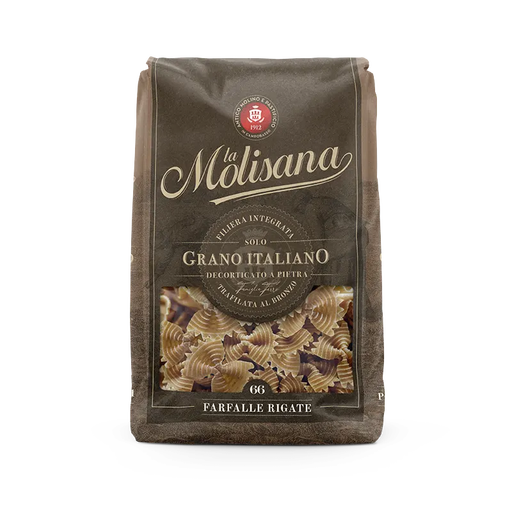 Image unavailable
La Molisana Farfalle Integrali N°066, 500 g
Worth considering if you’re looking for wholemeal farfalle for your meals. The pack size shown is 500 g; if these figures are important to you, check the protein and fibre content per 100 g on the packaging.
View on Joybuy
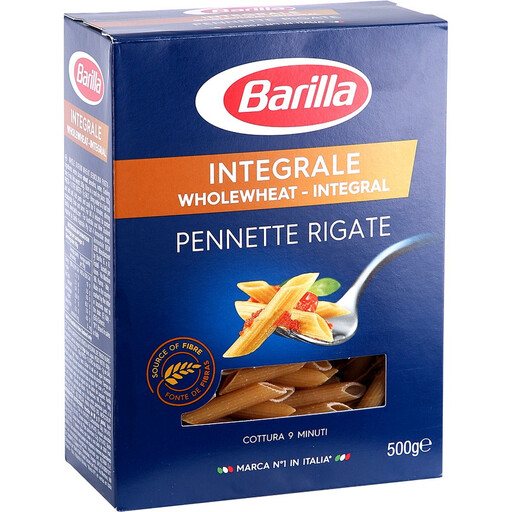 Image unavailable
Barilla Whole Wheat Pennette Rigate Tub, 500 g
A wholemeal wheat pennette option if you’d like to add this type of pasta to your usual dishes. The pack size shown is 500 g; check its fibre and protein content separately.
View on Joybuy
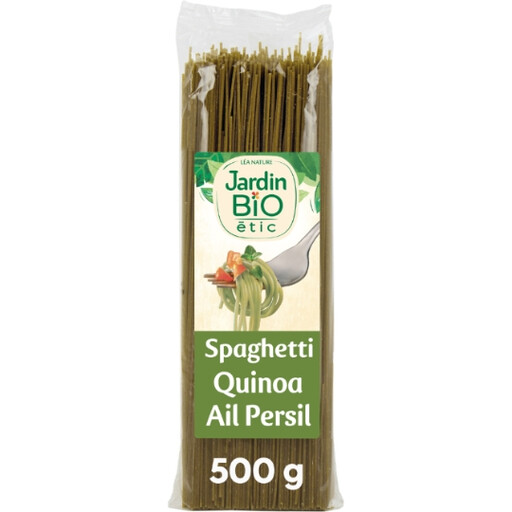 Image unavailable
JARDIN BIO ETIC, quinoa spaghetti with parsley and garlic, 500 g
Worth considering if you’re looking for spaghetti with quinoa, parsley and garlic. The pack size shown is 500 g; check the ingredients and nutrition information for this recipe rather than assuming it has the same values as other wholemeal pasta.
View on Joybuy
Frequently asked questions
Is wholemeal pasta automatically high in protein?
No. ‘Wholemeal’ describes the grain, not a specific amount of protein. Compare the ‘protein’ figures per 100 g. In France, the ‘high-protein’ claim is subject to the condition set out in European Regulation (EC) No 1924/2006: at least 20% of the product’s energy value must come from protein.
Can protein-enriched pasta be plant-based?
Some recipes use plant-based ingredients: Barilla France says Protein+ combines durum wheat semolina and pea protein, while Panzani lists wheat and peas for Les Protéinées. If you’re looking for a vegan recipe, check the full ingredients list for the product you choose. The Carrefour Sensation High Protein twists mentioned here contain egg white.
Is the protein pasta mentioned suitable for a gluten-free diet?
The Barilla Protein+, Panzani Les Protéinées and Carrefour Sensation Torsade High Protein recipes mentioned here all contain wheat. If you need to avoid gluten, don’t rely on the word ‘protein’ alone: check the ingredients and labelling of the exact product.


