What should you look for?
If you’re choosing a sauce to serve with wholemeal pasta around a ride, first think about when you’ll eat the meal. Then check the recipe and jar size to make sure they suit your needs.
| What to check | Things to look for | Who this matters to |
|---|
| Meal timing |
Distinguish between a meal before or after your ride and fuel for during exercise; on competition day, consider your digestive tolerance. |
I want to plan my pasta meal without relying on the sauce to fuel me during the race. Around 42% of consumers would prioritise distinguishing between a meal and race-day fuelling. |
| Recipe and allergens |
Check the ingredients and allergen information on the exact jar, especially before choosing a recipe that’s unfamiliar to you. |
If certain ingredients don’t suit me, I need to be able to identify the recipe before serving it. Sauce suitability would be the top priority for around 33% of consumers. |
| Pack size and label |
Compare the nutritional information per 100 g and choose a pack size that works with the stated shelf life after opening. |
I prefer a jar that’s the right size for the meals I’ve planned and whose ingredients I can compare on the shelf. For around 25% of consumers, this practical consideration would come first. |
Sauces and tomato bases on Joybuy
These products give you the choice of tomato sauces to serve with a pasta meal and tomato bases to use in your own recipe. Either way, check the label on the product you choose, especially if allergens or storage after opening are important to you.
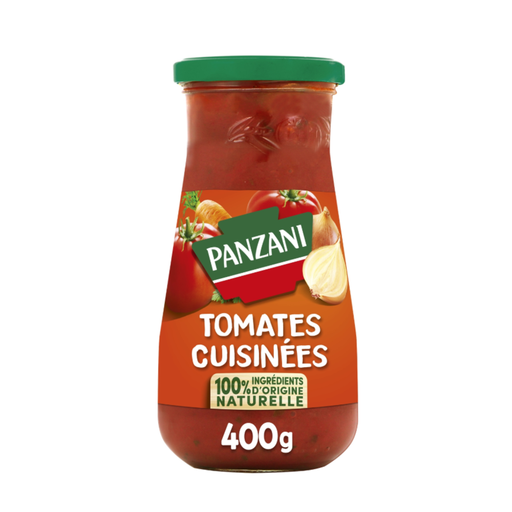 Image unavailable
Panzani Tomates Cuisinées 400 g
A tomato sauce to consider for a pasta meal before or after a ride, rather than as fuel to take with you on your bike.
Pack size: 400 g. Check the ingredients, allergens and storage instructions after opening on the jar you buy.
View on Joybuy
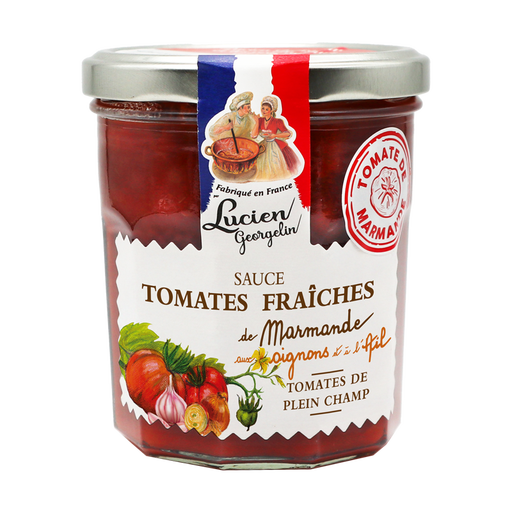 Image unavailable
Lucien Georgelin Marmande Tomatoes with Garlic and Onions 300 g
A tomato preparation to compare if you’d like to serve your pasta meal with a recipe featuring garlic and onions.
Pack size: 300 g. Check the label for allergens and storage instructions after opening.
View on Joybuy
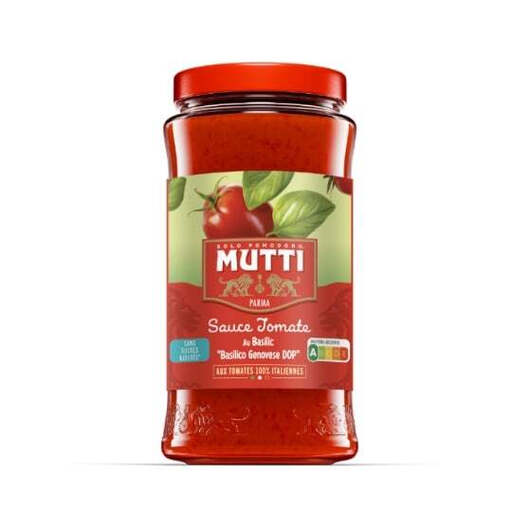 Image unavailable
Tomato and Basil Pasta Sauce
A basil sauce to consider for a pasta meal. It doesn’t replace the food or drink you’ve planned for during exercise.
Check the ingredients, any possible allergen traces and storage instructions on the packaging.
View on Joybuy
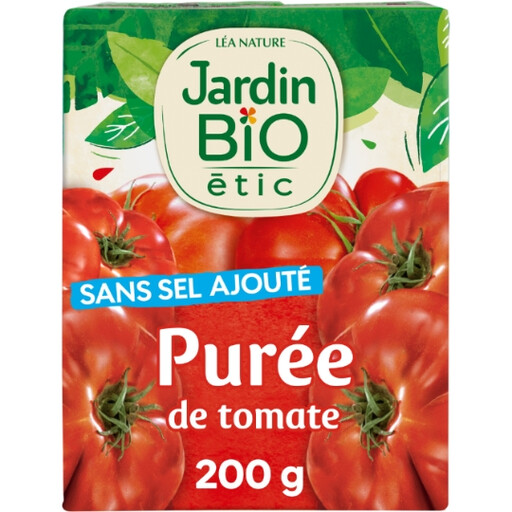 Image unavailable
Jardin Bio Étic Organic Tomato Purée 200 g
A tomato base to choose if you’d like to make your own sauce for a pasta meal. It needs to be prepared, rather than served as a ready-made sauce.
Pack size: 200 g. Check the ingredients and storage instructions after opening on the packaging.
View on Joybuy
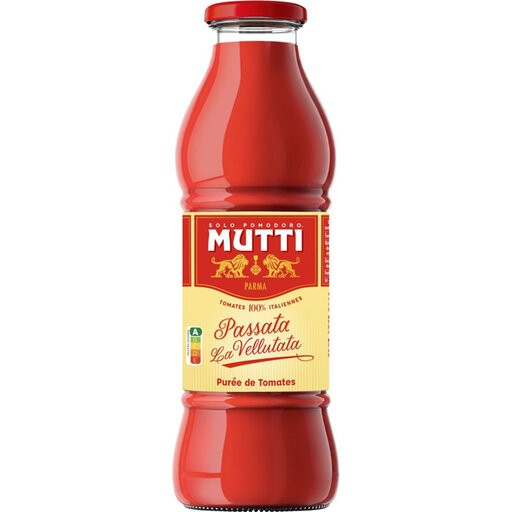 Image unavailable
Mutti Passata La Vellutata 700 g
A tomato base to use in your own pasta sauce, with the extra preparation that involves.
Pack size: 700 g. Plan how you’ll use the jar in line with the storage instructions on its label.
View on Joybuy
Frequently asked questions
Can you eat wholemeal pasta with tomato sauce during a cycling race?
This dish is suitable as a meal around your ride, not as fuel to eat while cycling. For endurance events lasting more than 2 h 30, World Athletics refers to intakes of up to 90 g of carbohydrates per hour during exercise. INSEP also advises taking digestive tolerance into account on competition day.
Is the Nutri-Score enough to choose a pasta sauce?
No. The Nutri-Score is an additional point of reference, and displaying it is voluntary according to Santé publique France. Also check the ingredients, allergens and nutritional information per 100 g for the product you choose.
How can you check the allergens in a tomato sauce?
Read the ingredients list and allergen information on the exact product packaging. The DGCCRF says allergens must be highlighted in the ingredients list, so the words “tomato sauce” alone don’t tell you what’s in the jar.
How long can you keep a sauce after opening?
Follow the storage time and conditions shown on the product you buy. To compare two different products, Auchan says to keep its cooked tomato sauce, made in France, in the fridge for 48 hours, while the listing for a Pomodoro sauce gives a storage time of 5 days.
Can you use a sauce after the date shown on the jar?
It depends on the wording on the packaging and how the sauce has been stored. The DGCCRF explains that a use-by date, worded “use by”, must not be exceeded; a best-before date means something different. After opening, also follow the instructions specific to the sauce.


