People short on time in the evening
You want to add a sauce to drained pasta without having to go through lots of steps before serving.


To cut down on steps on a weeknight, choose a sauce that’s ready to pour or heat, in a size suited to your meal and how you plan to use it after opening. If you want wholemeal or semi-wholemeal pasta, choose it separately: the sauce doesn’t determine its fibre content. A tomato base gives you the option to make your own sauce, but check the preparation steps before relying on it for a quick dinner.
You want to add a sauce to drained pasta without having to go through lots of steps before serving.
You’d like to opt for wholemeal or semi-wholemeal pasta while keeping your meal simple to prepare. Manger Bouger describes it as a starchy food that’s naturally high in fibre.
You check the ingredients, allergens, nutritional information and storage instructions after opening for the sauce you’re planning to buy.
First decide whether you want a ready-made sauce or a tomato base to cook with, then match the pack size to the number of meals you have in mind. Choose wholemeal pasta by checking the pasta pack, independently of the sauce.
| What to consider | What to check | Who is it for? |
|---|---|---|
| How quickly it can be served | Check whether the sauce can be poured over drained pasta or needs heating, and follow the instructions provided. | When dinner needs to be served without making a sauce from scratch, I focus on how many steps are left; around 36% of consumers put simplicity first. |
| Choosing wholemeal pasta | Look for the words “wholemeal” or “semi-wholemeal” on the pasta pack. Don’t infer this from the sauce name. | If I want to prioritise fibre in my pasta dish, the type of pasta is what matters first; around 29% of consumers put this choice ahead of the sauce size. |
| Ingredients and allergens | Read the ingredients, allergen information and nutritional values for the exact product, including per 100 g if you’re comparing two sauces. | If I need to avoid certain ingredients or allergens, I should check the specific recipe rather than relying on its name alone; around 21% of consumers make this their priority. |
| Pack size and storage | Compare the amount you’ll use and follow the product’s specific refrigeration and use-by instructions after opening. | For several small dinners, I want to be able to use the amount I’ve bought within the stated time; around 14% of consumers put managing leftovers first. |
Tomato sauce doesn’t change the type of pasta you’re using. If fibre is important to you, check the description on the pasta pack itself.
Choose your pack of wholemeal or semi-wholemeal pasta first, then pick a sauce to suit your preferred preparation and portion size.
The Nutri-Score doesn’t tell you everything about the ingredients or possible traces of allergens. Carrefour, for example, mentions that its Bio tomato and basil sauce may contain traces of wheat, celery, milk and mustard.
If you have dietary requirements, read the details for the exact product before considering this additional nutritional guide.
Auchan says its 300 g tomato and basil pouch should be used within 8 days of opening, while its 200 g Bio jar should be used within 48 hours and kept at 0–4 °C. These instructions apply to their respective products.
Before buying, match the quantity to the number of meals you have planned and check the instructions on the pack you’ve chosen.
A pack that’s too large for how quickly you use the sauce could leave you with some going to waste.
Panzani offers its Tomato and Basil Sauce in 210 g, 400 g and 650 g sizes.
The Basilico Sauce is a tomato and basil sauce available in 200 g and 400 g sizes.
The retailer offers, among other options, a 420 g Classic’ tomato and basil sauce and a 350 g Bio version.
Auchan offers a 300 g resealable pouch of tomato and basil sauce and a 200 g Bio version in a jar.
E.Leclerc offers a 420 g Turini tomato and basil sauce.
Lidl has offered a 560 g Baresa tomato and onion sauce.
These products let you choose between tomato and basil sauces and tomato bases to use with pasta. For a quick dinner, distinguish between a sauce that needs heating and a purée whose instructions may involve extra preparation. Choose your wholemeal pasta separately.
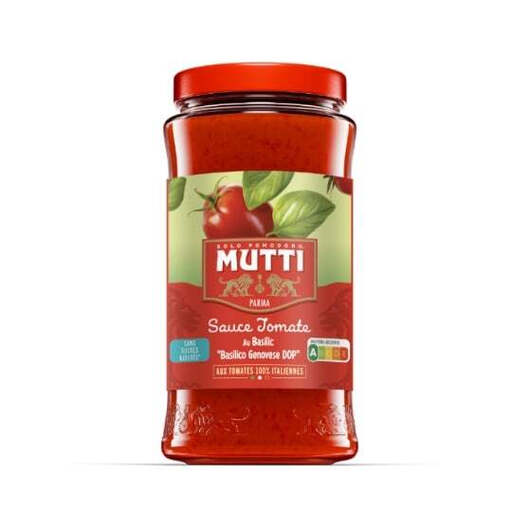 Image unavailable
Serve with cooked pasta without having to make a sauce from a tomato base. Heat the sauce, then mix it with the pasta. If you prefer wholemeal pasta, choose it separately.
Check the storage instructions after opening before planning how to use the rest.
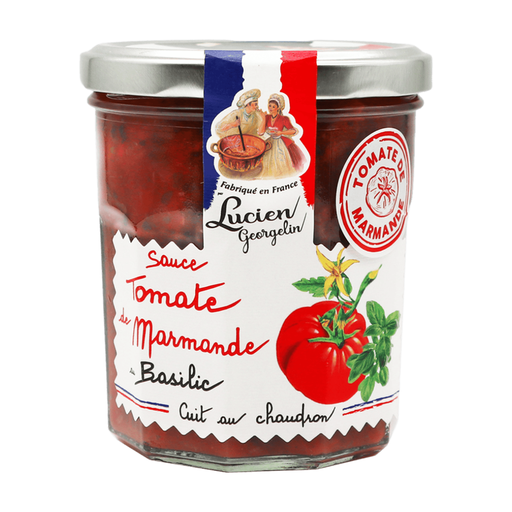 Image unavailable
A 300 g tomato and basil sauce to serve with pasta. If speed is a priority, check the pack to see how to serve or heat it.
Remember to plan how you’ll use the rest, following the instructions for after opening.
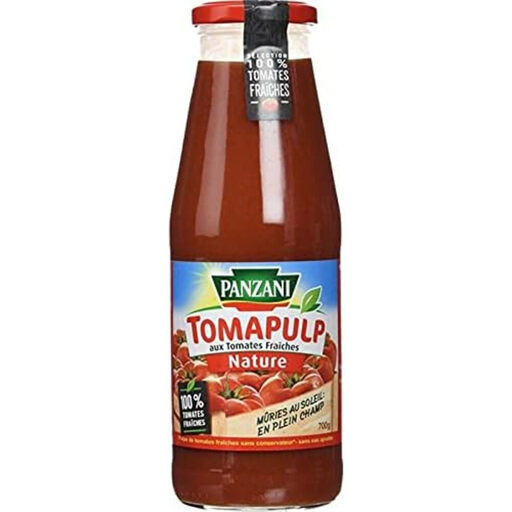 Image unavailable
A tomato base to consider if you’d like to make your own sauce for pasta rather than choose a ready-made recipe. Check the preparation steps on the pack before using it for a quick dinner.
You’ll also need to plan how to use the remaining amount after opening.
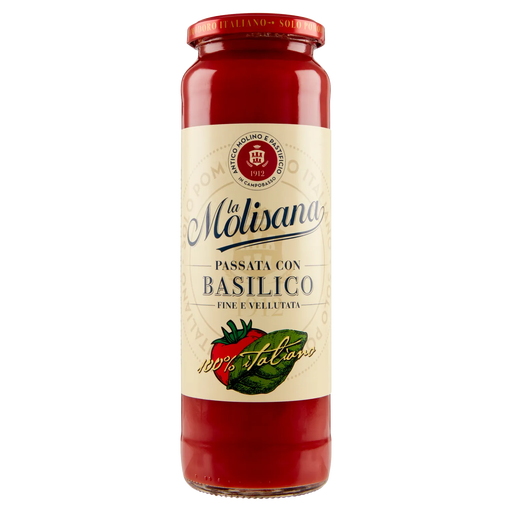 Image unavailable
A base for making a tomato and basil sauce to serve with pasta, whether wholemeal or not. If you plan to add other ingredients, factor those steps into your dinner preparation.
The 690 g size means you’ll need to plan how to use the rest, following the instructions for after opening.
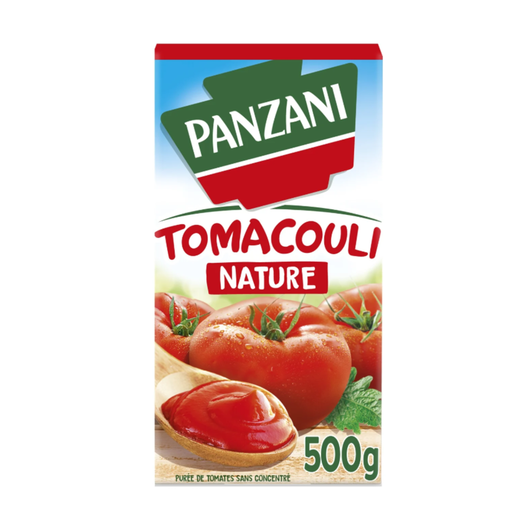 Image unavailable
A tomato base for making a sauce to serve with pasta. To work out how long it’ll take on a weeknight, check the preparation instructions rather than treating it as a sauce that’s ready to pour.
The stated pack size is 500 g. Choose your wholemeal pasta separately.
No: whether pasta is wholemeal or semi-wholemeal depends on the pasta, not the sauce. Check the description on the pasta pack. Manger Bouger lists wholemeal pasta among starchy foods that are naturally high in fibre.
Check the ingredients, allergens, quantity, nutritional values and storage instructions for the product you’ve chosen. For prepacked food sold in France, the DGCCRF notes in particular that allergenic ingredients must be emphasised.
No: it doesn’t replace the ingredients list or allergen information. If you’re comparing sauces, also check their nutritional information per 100 g and their instructions for after opening.
Follow the time and temperature instructions on the sauce you’ve bought, as they vary by product. Auchan says its 300 g tomato and basil pouch keeps in the fridge for 8 days, but its 200 g Bio jar should be used within 48 hours and kept at 0–4 °C.