People keeping an eye on added fat
You want to compare sauces per 100 g and factor in what you’ll add afterwards, such as oil, cream or cheese.


To make wholemeal pasta while keeping fat in check, first compare sauces on a like-for-like basis per 100 g, then factor in any oil, cream or cheese you add to the dish. Choose wholemeal pasta based on its ingredients, fibre content and cooking time: on its own, it doesn’t determine the fat content of your meal.
You want to compare sauces per 100 g and factor in what you’ll add afterwards, such as oil, cream or cheese.
You’re looking for pasta with ingredients and fibre content that suit your preferences, without assuming your choice of pasta determines which sauce to use.
You prefer a ready-to-use sauce or quick-cook pasta, while still taking the time to compare the fat, salt and ingredients listed on the label.
For this meal, look at the sauce, pasta and ingredients added during preparation separately.
| Criterion | What to check | Who is it for? |
|---|---|---|
| Fat in the finished dish | Compare the fat content of sauces per 100 g, then consider how much oil, cream or cheese you’ll add. | If I want to keep the fat in my dish down, the sauce alone doesn’t tell me everything. Around 36% of consumers prioritise this criterion. |
| Pasta ingredients | Read the ingredients list and check the fibre per 100 g for the product you’re considering; also check its cooking time. | I want wholemeal pasta with ingredients that suit me, without assuming that this choice determines the characteristics of the sauce. Around 29% of consumers prioritise this. |
| Speed and labelling | Check the preparation time, as well as the salt and ingredients in a ready-to-use sauce. | When I’m preparing a quick meal, I want to be able to compare sauces without overlooking what’s in them. Around 21% of consumers put this balance first. |
| Availability and pack size | Check that the product is available and choose a pack size that suits the amount you’re preparing. | If I shop at a particular retailer, I look for a product that’s available there and a pack size that suits me. Around 14% of consumers put this need first. |
The description ‘tomato sauce’ doesn’t tell you the fat content on its own: product listings from E.Leclerc, Auchan and Carrefour give 0.2 g, 1.9 g and 2.1 g per 100 g respectively for three different products.
Compare sauces intended for the same use per 100 g, and check the values for the product you buy.
A sauce with a low fat content doesn’t tell you what the finished dish will be like if you add oil, cream or cheese. Manger Bouger states that a teaspoon of oil is 5 ml, compared with 15 ml for a tablespoon.
Decide what you’ll add when choosing the sauce, and measure the oil rather than pouring it by eye.
Nutri-Score alone doesn’t tell you the fat content of the prepared portion or give you a breakdown of the ingredients.
When comparing sauces, also read the nutrition information per 100 g and the ingredients list.
The pasta and sauce have different ingredients and serve different purposes. The fat content of the meal also depends on the ingredients added during preparation.
Choose pasta based on its ingredients and your cooking preferences, then assess the sauce and the complete recipe separately.
The whole wheat range includes Penne Rigate, which you can pair with a sauce chosen separately.
Panzani offers ‘Complètement Bon !’ pasta and tomato sauces. Compare each product according to its role in the meal.
The plain fresh tomato sauce is worth considering if you’re looking for a ready-to-use tomato base to add to.
This cooked tomato sauce can be compared with other ready-to-use sauces on a per-100 g basis.
Torsettes délices whole wheat pasta is designed for anyone looking for a quick-cook option.
These three tomato sauces can be served with wholemeal pasta. Compare the nutritional information on the packaging and choose any additional ingredients to suit the recipe you want to make.
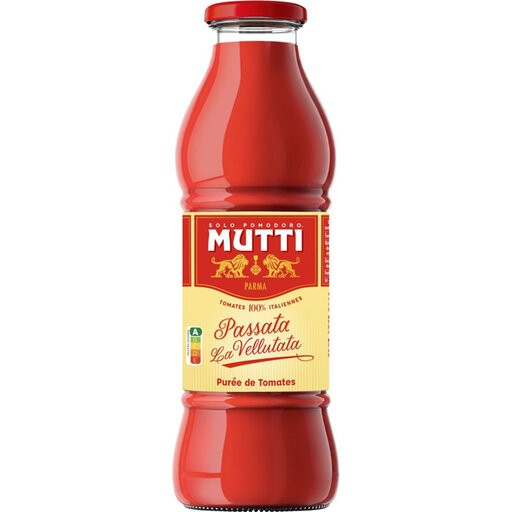 Image unavailable
This tomato base can be served with wholemeal pasta. Measure any ingredients you add to the recipe separately.
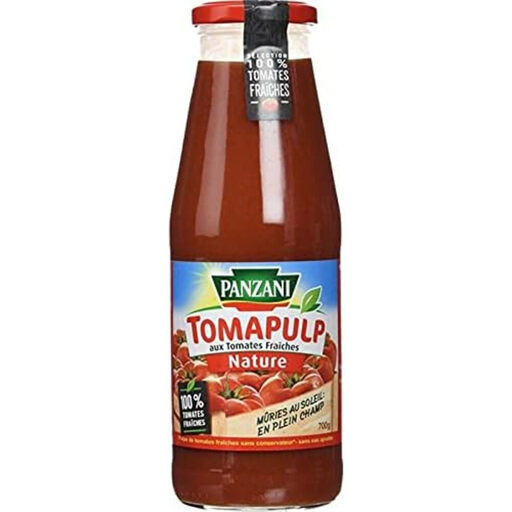 Image unavailable
This tomato sauce can be served with wholemeal pasta. To compare its fat content, check the nutritional values on the packaging rather than relying on promotional wording.
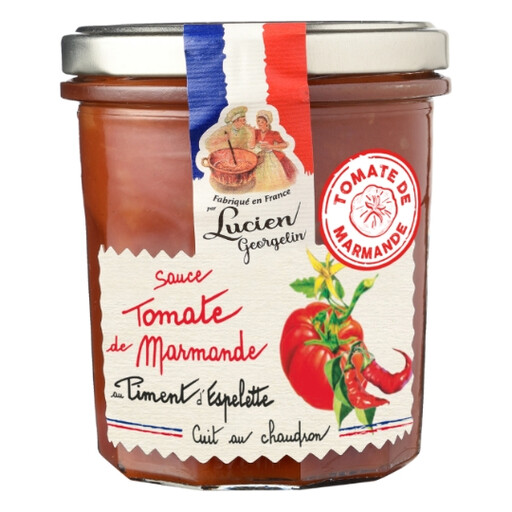 Image unavailable
This tomato sauce with Espelette pepper can be served with wholemeal pasta. Check its fat content per 100 g and its ingredients list when comparing cooked sauces.
No. Values vary depending on the recipe. Listings from E.Leclerc, Auchan and Carrefour give between 0.2 g and 2.1 g of fat per 100 g for three different sauces. Check the product you buy and factor in any additions you plan to make.
Compare the fat per 100 g in sauces intended for the same use, then look at the salt content and ingredients list in particular. The Directorate-General for Competition, Consumer Affairs and Fraud Control states that presenting nutritional values per 100 g makes it easier to compare the prepacked foods concerned.
No. A displayed Nutri-Score doesn’t replace checking the fat per 100 g or reading the ingredients. Compare sauces with one another, and assess the ingredients in wholemeal pasta separately.
No. Wholemeal pasta doesn’t determine the composition of the sauce or any added ingredients. Choose pasta based on its ingredients, and check the sauce, oil, cream or cheese used in the dish separately.