Hoteliers who care about what’s on the buffet
They want to compare the proportion of whole wheat and the fibre content per 100 g, rather than infer the ingredients from the pasta’s name alone.


For a hotel breakfast, start by choosing a recipe based on its ingredients and fibre content per 100 g. Wholemeal pasta, semi-wholemeal pasta and pasta containing a proportion of wholemeal semolina do not meet the same requirements. Next, choose a shape to suit how it will be served, and check the allergens and storage instructions if you are preparing the pasta in advance.
They want to compare the proportion of whole wheat and the fibre content per 100 g, rather than infer the ingredients from the pasta’s name alone.
They need to plan cooking and portioning around a short service window. Cold dishes also call for suitable arrangements for cooling and storage.
A recipe with a stated proportion of wholemeal semolina may be worth considering if flavour and texture are important. Always check the ingredients and allergens for each product served.
When planning your buffet, start with the recipe you want, then make sure the shape suits your preparation time and serving style.
| Criterion | What to check | Who is it for? |
|---|---|---|
| Ingredients and fibre | Read the ingredients list and check the proportion of wholemeal semolina, if stated, and the fibre content per 100 g. | I want to distinguish a wholemeal recipe from a partly wholemeal one before choosing a product for the buffet. Around 36% of consumers are said to put this composition first among their criteria. |
| Preparation and serving | Compare the stated cooking time, and test portioning and how well the recipe holds up when served. | When set-up needs to be quick, I prefer a shape the team can serve in the way they have planned. Ease of preparation and serving is said to be a priority for around 29% of consumers. |
| Flavour and texture | Check the proportion of wholemeal semolina and try the recipe with the planned seasoning. | If guests are more familiar with standard pasta, I prefer to try a recipe containing a stated proportion of whole wheat before changing the menu. This transition is said to be the main concern for around 21% of consumers. |
| Allergens and storage | Check the label on the batch being served and plan how to store cooked dishes in line with the hotel’s procedures. | I need to be able to inform guests about the ingredients and safely manage dishes prepared in advance. These checks would come first for around 14% of consumers. |
These descriptions can refer to different compositions. A recipe stating that it contains 50% wholemeal semolina should not be presented as equivalent to one whose listed ingredient is wholemeal durum wheat semolina.
Record the product name, ingredients and fibre content per 100 g for your chosen product in your purchasing notes.
Wheat pasta contains gluten; other allergens or traces may also be listed, depending on the product. Information taken from a different product is not enough to inform your guests.
Check the packaging of the batch actually being used and make the relevant allergen information available for the dish being served.
According to Anses, the risk of microorganisms multiplying increases after two hours at room temperature following cooking. The agency states that this multiplication stops or slows considerably between 0 and +4 °C.
Plan cooling, chilled storage and dish replenishment in line with your establishment’s food safety management procedures.
A taste assessment quoted by a brand does not predict how hotel guests will respond. E.Leclerc also states that the Nutri-Score shown for the Penne Turini reviewed is based on the previous calculation method, which applied before April 2025.
Try the recipe you are considering, and check its ingredients, nutritional information and preparation instructions too.
Spaghetti Integrale and Penne Rigate Integrale let you compare a long pasta shape with a short one, both made with wholemeal durum wheat semolina.
The whole wheat coquillettes from the Complètement Bon! range contain a stated proportion of wholemeal semolina.
Collerettes Délices au blé complet is a short pasta shape worth considering for buffet portions.
Organic semi-wholemeal spaghetti is an option if you are looking for an organic semi-wholemeal recipe rather than a wholemeal one.
Wholemeal spaghetti is an option to consider for pre-plated portions.
Turini whole wheat Penne is another short pasta shape whose product information lets you check its composition.
This selection includes short pasta shapes to consider for portions or salad, as well as spaghetti to explore for plated dishes. Compare the recipes and try each one in your planned serving style to see how well it holds up.
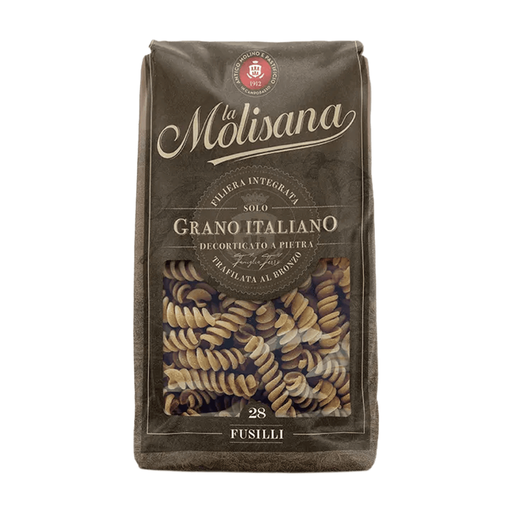 Image unavailable
This short pasta shape is worth trying for individual portions. If serving it cold, check how well it holds up after cooking and cooling in your chosen recipe.
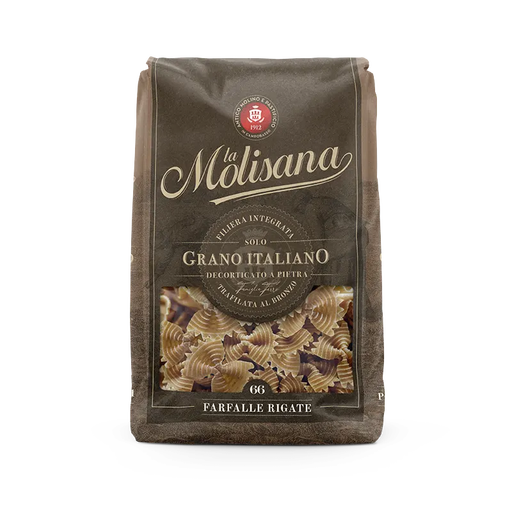 Image unavailable
Try the farfalle in a salad for portioned service. The pack size is 500 g; check the nutritional information on the packaging you use and see how well the pasta holds up after cooling.
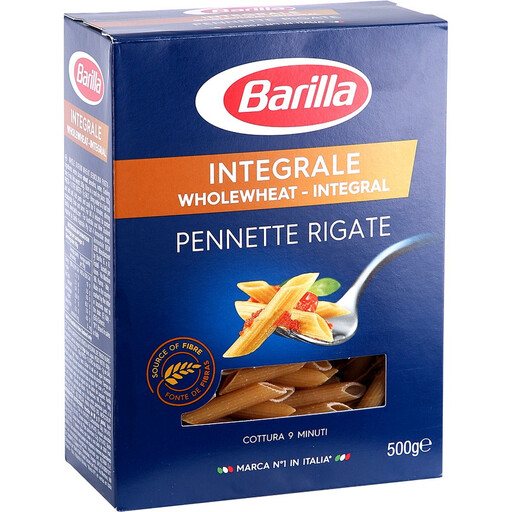 Image unavailable
These whole wheat pennette rigate are a short pasta shape to try for buffet portions. The pack size is 500 g; check the cooking time and the batch label before serving.
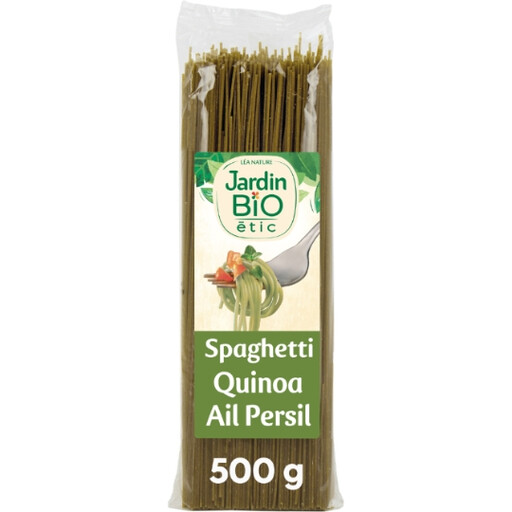 Image unavailable
Consider this flavoured recipe if its ingredients suit your planned menu, particularly for plated portions. The pack size is 500 g; check the ingredients and allergens on the batch being served.
No. The wheat pasta products reviewed contain durum wheat semolina, whether wholemeal or not. Also check the label on the batch being served for other declared allergens and traces.
Check the name and ingredients for the specific product. The Barilla spaghetti reviewed lists wholemeal durum wheat semolina, while the Carrefour Bio spaghetti lists organic semi-wholemeal durum wheat semolina. A recipe containing 50% wholemeal semolina is yet another option.
Yes, provided preparation and serving follow the hotel’s food safety management plan. Anses states that the risk of microorganisms multiplying increases after two hours at room temperature following cooking. Plan cooling, refrigeration and the time the dish is on display in line with your establishment’s procedures.
Check the name, ingredients, allergens and nutritional information for the product actually being used. For pre-packed food in France, the DGCCRF reminds businesses that allergens must be clearly highlighted and labelling information must be visible, legible and written at least in French.