Hosts looking to serve wholegrains
You’re preparing an Easter meal and want to choose wholemeal pasta without changing the dish you had planned. Manger Bouger lists wholemeal pasta among the wholegrain starchy foods to include in meals.


For your Easter shopping, start with the recipe: penne and torti work well in a sauced dish, spaghetti is ideal for a long pasta dish, while small pasta shells and twists offer a familiar shape at the table. If you want to buy pasta made entirely from wholemeal flour, check the product description and ingredients for the specific variety you choose: semi-wholemeal pasta is not the same thing. Also check the shape, cooking time and allergen information before serving.
You’re preparing an Easter meal and want to choose wholemeal pasta without changing the dish you had planned. Manger Bouger lists wholemeal pasta among the wholegrain starchy foods to include in meals.
You’d prefer to stick with a shape your guests already know. Panzani offers small pasta shells and torti in its Complètement Bon! range, while Lustucru offers small pasta shells and twists made with wholemeal wheat.
You’re looking for a short shape for a sauce or salad, or spaghetti for a long pasta dish. The ranges from Barilla and Auchan include these different wholemeal shapes.
First, choose a shape that suits the dish and your guests, then compare the ingredients and information on each pack.
| Criterion | What to check | Who is this for? |
|---|---|---|
| Wholemeal ingredients | The product description, ingredients and, if shown on the pack, the fibre content per 100 g. | I want to make sure the pasta I serve is made with wholemeal wheat, rather than semi-wholemeal wheat. Around 23% of consumers might prioritise this choice of ingredients. |
| A familiar shape | Whether the range includes small pasta shells, torti or twists. | When tastes differ around the table, I’d rather stick with a shape my guests already know. Around 31% of consumers would make familiarity their priority. |
| How well it suits the dish | A short or long shape to match the sauce, salad or serving style you have planned, as well as the cooking time for that product. | I’ve settled on a recipe and want pasta that suits how it’s prepared and served. Around 31% of consumers might choose their pasta based on the dish first. |
| Pack size and label | The net weight, ingredients list and allergen information on the exact pack. | When shopping for a shared meal, I want to quickly find a suitable pack size and the information my guests need. This would be the first criterion for around 15% of consumers. |
These terms refer to different ingredients. The shape or name of a range alone doesn’t confirm that a product is made entirely with wholemeal wheat.
If this matters to you, check the product description and ingredients list for the specific variety. Use the “fibre” figure in the nutrition information to compare packs, if it’s provided.
For a family trying wholemeal pasta for the first time, the shape and texture matter just as much as a brand’s claims about taste when choosing a dish.
A familiar shape, such as small pasta shells or twists, can help keep mealtime reassuringly familiar. A manufacturer’s claims about taste can’t guarantee that every guest will enjoy it.
The wholemeal wheat pasta varieties mentioned contain wheat and gluten. Any traces listed vary by product: Carrefour’s variety, for example, may contain traces of egg and soya, while Lustucru lists celery for its Bio Complètes penne.
Check the ingredients and any precautionary allergen statements on the pack you actually buy, especially if a guest needs to avoid an allergen.
These ranges give you a guide to shapes and ingredients, but always check the details of the specific product you choose.
Barilla’s Blé complet range includes small pasta shells, linguine, penne rigate, spaghetti and tortiglioni.
The Complètement Bon! range includes wholemeal wheat torti, penne and small pasta shells.
Lustucru offers 400 g packs of wholemeal wheat Délice small pasta shells, spaghetti and twists, as well as Bio Complètes penne.
Carrefour’s wholemeal durum wheat pasta is available in a 500 g pack.
Auchan offers 500 g packs of wholemeal wheat spaghetti and wholemeal penne.
To find a pasta to suit your Easter dish, these products include wholemeal farfalle and two varieties of spaghetti described as semi-wholemeal. If you’re looking specifically for wholemeal wheat pasta, don’t confuse the two ingredient types.
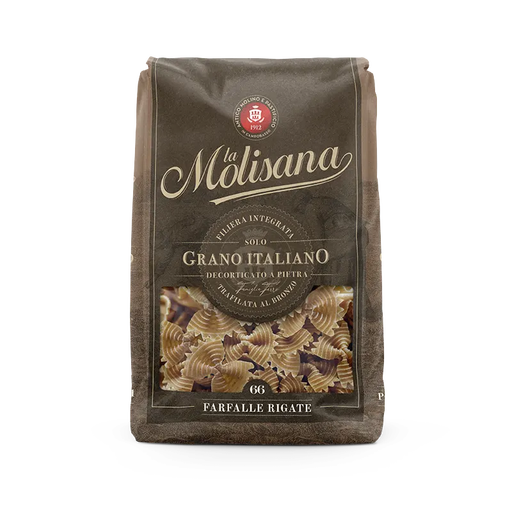 Image unavailable
A short pasta shape to consider if you’re planning to serve wholemeal pasta with a sauce or in a salad.
This product is described as wholemeal wheat farfalle. It contains gluten; if you have an allergy, also check the pack for possible traces of soya or mustard.
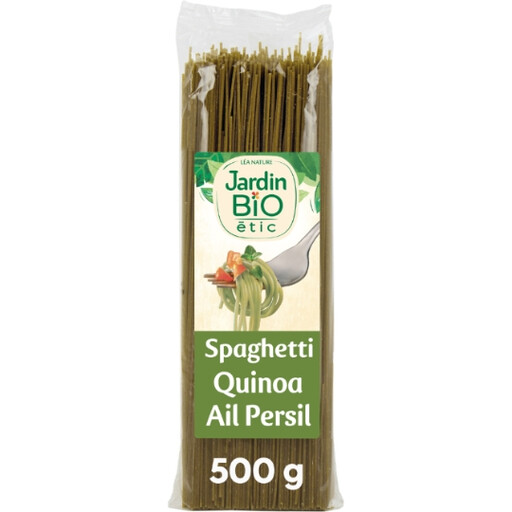 Image unavailable
A long pasta option to consider if the aromatic ingredients suit your recipe.
This product is described as semi-wholemeal, so it isn’t a substitute for spaghetti made entirely with wholemeal wheat. It contains gluten; check the allergen information on the pack before serving.
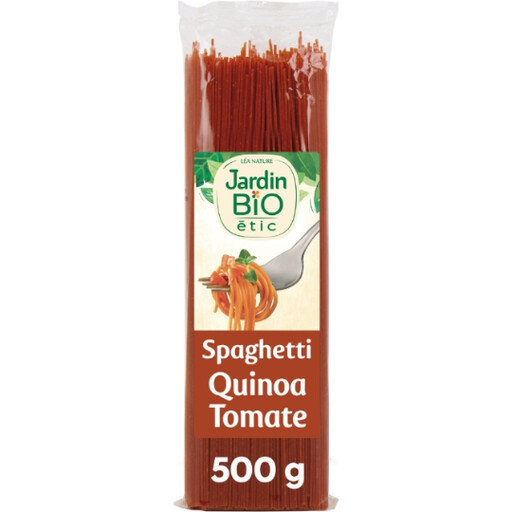 Image unavailable
Another spaghetti option for a dish whose recipe works well with tomato.
It’s described as semi-wholemeal, rather than made entirely with wholemeal wheat. This product contains gluten and egg; check the packaging for any other allergen information.
Yes, as long as the shape suits the recipe and your guests. Manger Bouger lists wholemeal pasta among the wholegrain starchy foods to choose at least once a day. For this meal, focus on checking the ingredients of the product and how you plan to serve it.
Wholemeal penne are a good option if you’re planning a sauced dish to share: Auchan recommends its wholemeal penne for this use. If your recipe calls for long pasta, Barilla also offers spaghetti in its Blé complet range.
Yes, the wholemeal wheat products mentioned here contain wheat, and therefore gluten. Lustucru states this for its Bio Complètes penne. For other allergens or possible traces, read the label on the specific product you buy.
Check the product description to distinguish wholemeal from semi-wholemeal, then look at the ingredients, allergens, net quantity and nutrition information. The DGCCRF notes that the product description, ingredients list, nutrition declaration and net quantity are among the labelling information required for prepacked foods.