What should you look for before buying?
For breakfast, first decide between ready-to-serve crêpes and making your own based on how much time you have. Then check the ingredients of the option you choose.
Ready-to-serve wholemeal crêpes
Consider these if: you want to fill the crêpes without making batter and you’re happy with their ingredients.
Bear in mind: the recipe is already set, and fresh crêpes may need to be kept in the fridge.
Classic ready-to-fill crêpes
Consider these if: wholemeal wheat isn’t essential and convenience is your priority.
Bear in mind: the classic crêpe product featured by Carrefour doesn’t list wholemeal flour among its ingredients.
Homemade crêpes
Consider these if: you want to choose the wholemeal flour, other ingredients and toppings yourself.
Bear in mind: you’ll need to make the batter and check each ingredient separately.
| What to consider |
What to check |
Who is this for? |
| Wholemeal wheat and fibre |
Whether wholemeal flour is included and, if stated, what proportion; nutritional values per 100 g. |
If I’m looking to include wholegrains, I want to know which flour has been used without assuming a particular fibre content. Around 44% of consumers would put this need first. |
| Serving time and quantity |
The number of crêpes, pack weight, and serving and storage instructions. |
When several people are waiting for breakfast, I’d rather have enough crêpes to serve without making batter. This would be the top priority for around 33% of consumers. |
| Allergens and ingredients |
The ingredients and allergens listed on the pack; sugars per 100 g if you’re comparing two products. |
Before serving the crêpes, I need to know whether the recipe is suitable for everyone at the table and what it contains. Around 23% of consumers would put this check ahead of the other criteria. |
Wholemeal flours available on Joybuy
These flours are for making wholemeal crêpes at home. They aren’t ready-to-fill crêpes. First, choose a recipe suited to your flour, then pick a pack size that matches how you’ll use it.
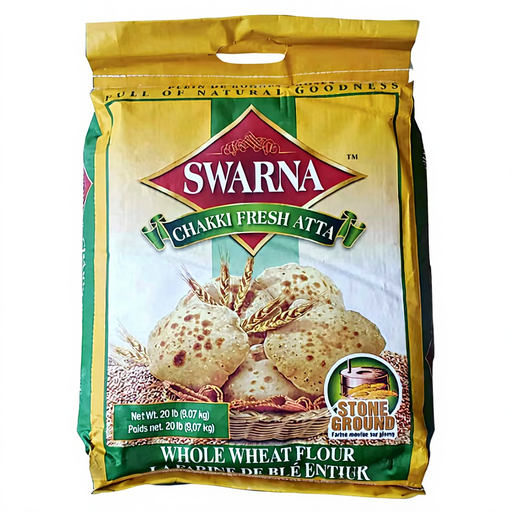 Image unavailable
Pillsbury Wholewheat Chakki Atta, 10 kg
This wholemeal wheat flour is suitable for making crêpes at home if you’ll use a 10 kg pack for more than just one breakfast.
It isn’t ready to serve. Check the crêpe recipe you’re planning to use and the nutritional values on the pack if you want to compare fibre content.
View on Joybuy
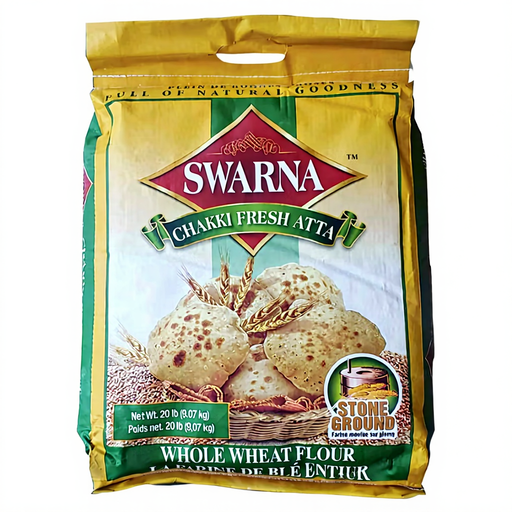 Image unavailable
Pillsbury Wholewheat Chakki Atta, 5 kg
This wholemeal wheat flour can be used in your homemade recipes. Check that a 5 kg bag suits how often you cook.
This is flour, not ready-to-fill crêpes. To compare fibre content, use a value given per 100 g on the pack.
View on Joybuy
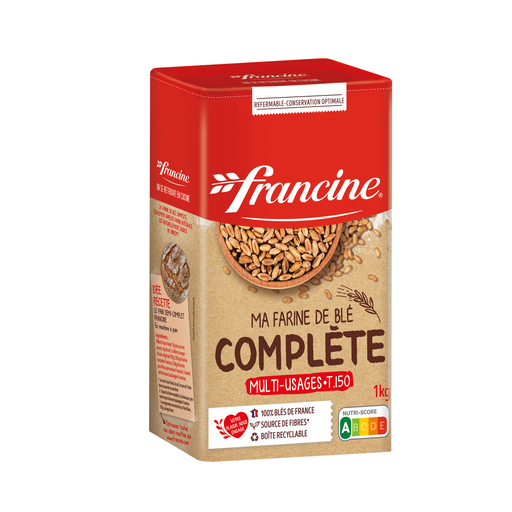 Image unavailable
FRANCINE T150 Wholemeal Wheat Flour, 1 kg
For homemade crêpes, this 1 kg pack lets you choose T150 wholemeal wheat flour without buying one of the larger pack sizes in this selection.
It isn’t a ready-to-serve crêpe. Check the recipe you plan to follow and the label if fibre content is part of your comparison.
View on Joybuy
Frequently asked questions
Are wholemeal crêpes necessarily high in fibre?
No. The presence of wholemeal flour doesn’t tell you exactly how much fibre the crêpes contain. Auchan’s product listing for Weight Watchers crêpes states that they contain 24% wholemeal wheat flour. To find out how much fibre they contain, look for a specific value or statement on the pack.
Which allergens should I check in wholemeal crêpes?
For the Weight Watchers product featured by Auchan, check for wheat, eggs and milk, as well as any ‘may contain’ warnings on the pack you buy. The DGCCRF reminds shoppers that allergens in prepacked foods must be highlighted in the ingredients list.
How should I store and serve the Weight Watchers product featured by Auchan?
The product listing says to store it at between 0 and 4 °C and that it can be eaten cold or gently reheated: for 30 seconds in the microwave or 2 minutes in a frying pan. Check the date and instructions on the pack you buy, too.
How can I compare two packs of prepacked crêpes?
First compare the ingredients and net quantity, then compare nutritional values on the same per-100 g basis. The DGCCRF says that showing values per 100 g or 100 ml makes comparisons easier. Check the allergens and storage instructions for each product separately.


