When choosing wholegrain cereals as part of your shopping with diabetes in mind, start by checking which grains are used, then compare carbohydrates, sugars, fibre and serving size. Plain oats let you choose what to add, while flakes, cereal biscuits and muesli offer different preparation options and textures. No format means you can skip checking the specific recipe; Assurance Maladie advises that quantities should be tailored to each person.
Who are these criteria for?
People keeping an eye on what goes into their breakfast
If you monitor your blood glucose, compare the carbohydrates, sugars and serving size rather than assuming how your body will respond based solely on the word ‘wholegrain’. Assurance Maladie advises that food quantities should be tailored to each person.
People looking to eat more fibre
Oats and bran-based recipes have different nutritional profiles. Check the fibre, as well as the sugars and carbohydrates in the product you’re considering: a high fibre content doesn’t tell you everything about the rest of the recipe.
People who want a quick breakfast bowl
Flakes and muesli can fit the bill. To compare them, read the ingredients and nutrition information for the specific flavour rather than relying on the word ‘wholegrain’ or the Nutri-Score alone.
Which criteria should you compare first?
Start with the recipe and the values per 100 g, then consider how much you plan to serve and what you’ll add to your bowl. This makes it easier to compare different formats without assuming that a category name tells you everything about their ingredients.
| What matters to you |
What to check |
Who it’s for |
| Carbohydrates and serving size |
Carbohydrates and sugars per 100 g; the amount you actually serve. |
When putting together my breakfast with my blood glucose monitoring in mind, I want to be able to see what’s in my bowl. Around 36% of consumers would put this comparison first. |
| Fibre |
Fibre per 100 g; sugars on the same basis. |
If I’m mainly looking for a wholegrain or bran-based recipe, I don’t want to mistake its fibre content for its sugar content. This would be the priority for around 29% of consumers. |
| Quick preparation |
Ingredients in the ready-to-serve product; values for the flavour you choose. |
On mornings when I don’t want to prepare oats, I prefer cereal that’s ready to serve, while still being able to compare recipes. Around 21% of consumers would prioritise this convenience. |
| Choice in store |
The type of cereal and the ingredients list on each pack. |
When faced with several formats in store, I mainly need to quickly identify what each one contains before choosing. For around 14% of consumers, this would be their main concern. |
Shortcuts to avoid
-
Confusing ‘wholegrain’ with ‘no added sugars’
A recipe can contain wholewheat and sugar: Kellogg’s France lists both in the ingredients for Special K Nature. So the word ‘wholegrain’ alone doesn’t tell you how much sugar a product contains.
Compare the ingredients and sugars per 100 g on the specific packs you’re considering.
-
Choosing based on fibre alone
Fibre content alone doesn’t tell you about the carbohydrates, sugars or the amount you’ll serve.
Look at these values together, then take your usual serving size and any guidance related to your monitoring into account.
-
Using the Nutri-Score as your only criterion
According to Santé publique France, the Nutri-Score is calculated per 100 g or 100 ml. It helps you compare similar products, but doesn’t detail their ingredients or serving size.
Use it alongside the ingredients list and nutrition table, not instead of them.
-
Using someone else’s serving size
Assurance Maladie says that food quantities should be tailored to each person living with diabetes. The serving size printed on a pack isn’t personal advice.
If you need guidance on your breakfast, ask the healthcare professional who knows your situation how to use the information on the pack.
Brands and ranges to know
Quaker
Quaker Oats can be a useful point of comparison if you’re looking for oats to serve with toppings of your choice.
- Quaker France describes its Oats as wholegrain oats with no added sugars.
- These features apply to Quaker Oats and don’t automatically apply to the brand’s Cruesli recipes.
Nestlé Céréales
Fitness Nature is a ready-to-serve flake option worth considering if that’s what you prefer.
- Nestlé Céréales France lists 8,8 g of sugars and 10,3 g of fibre per 100 g for Fitness Nature.
- These values are specific to Fitness Nature; check the label if you choose another flavour.
Kellogg’s
Special K Nature and All-Bran Fibre Plus are examples of two different recipes: one includes rice and wholewheat, while the other focuses on bran.
- Kellogg’s France lists wholewheat in Special K Nature and fibre in the nutrition information for All-Bran Fibre Plus.
- Their ingredients can’t be summed up by the word ‘wholegrain’ or their fibre content alone: compare the sugars and carbohydrates too.
E.Leclerc / Marque Repère
The range featured by E.Leclerc includes various formats, such as oats, muesli and granola.
- The selection featured includes Bio Village organic wholegrain oats.
- Check the ingredients and nutrition information for each product; the retailer’s name doesn’t tell you what’s in the recipe.
Joybuy products to compare
This selection includes oats, Weetabix breakfast cereal and a nutty Cruesli. Compare their labels based on the format and ingredients you’re looking for.
 Image unavailable
BJORG Organic Oat Flakes, 500 g
Worth comparing if you’d like to make a bowl of oats and add your own toppings. Check the pack for the ingredients, carbohydrates, sugars and the amount you plan to serve.
View on Joybuy
 Image unavailable
Quaker Oats, 500 g
Another option to compare if you want to put together your own bowl of oats. Quaker France describes its Oats as wholegrain oats with no added sugars; check the nutrition information and decide how much to serve in line with your monitoring.
View on Joybuy
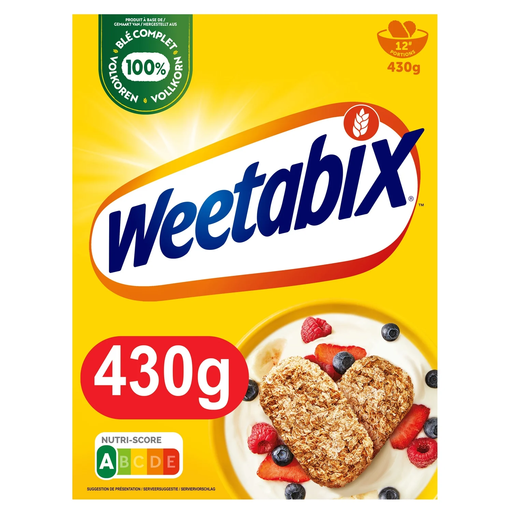 Image unavailable
Weetabix Breakfast Cereal, 430 g
Worth a look if you prefer cereal that’s ready to serve rather than oats you need to prepare. Compare the ingredients list and nutrition information for this product with those of the other formats you’re considering.
View on Joybuy
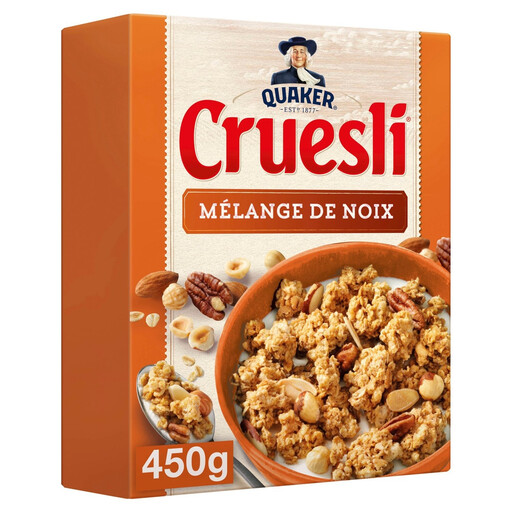 Image unavailable
Quaker Cruesli Mixed Nuts Cereal Clusters, 450 g
Worth comparing if you’re looking for clusters rather than plain oats. For this nutty recipe, check the ingredients and allergens, then compare the sugars and carbohydrates per 100 g and per serving.
View on Joybuy
Frequently asked questions
Are wholegrain cereals automatically suitable if you have diabetes?
No: ‘wholegrain’ describes the grains used, not the whole recipe or a serving size that’s right for everyone. Compare the carbohydrates, sugars and ingredients; Assurance Maladie advises that food quantities should be tailored to each person.
Is the Nutri-Score enough to compare two packs?
No. Santé publique France says it’s calculated per 100 g or 100 ml. It’s a useful point of comparison, but should be considered alongside the nutrition information, ingredients and the amount you plan to serve.
How much cereal should you serve for breakfast?
There isn’t one serving-size rule that applies to everyone with diabetes. Use the information on the pack to check the values per serving, and ask the healthcare professional who knows your situation for personalised guidance if you need it.
Should you check the allergens in wholegrain cereal?
Yes. The word ‘wholegrain’ doesn’t tell you everything about a recipe’s ingredients. If you need to avoid an ingredient, check the ingredients list and allergen information on the specific pack, especially for mixes containing several grains or nuts.


