What should you check before adding muesli to your basket?
Start with the ingredients, then compare the nutrition information and any requirements specific to your online grocery basket. The priorities below differ according to what matters most to each group of shoppers.
| Criterion |
What to check |
Who is it for? |
| Wholegrains and fibre |
The grains named in the ingredients; fibre per 100 g. |
I want to know which grains make up my breakfast and compare the fibre in two recipes. Around 33% of shoppers put this need first. |
| Sugars and ingredients |
The ‘of which sugars’ line per 100 g; sugar and syrups in the ingredients. |
If I choose a fruit or crunchy recipe, I want to distinguish the sugars present from added ingredients. This is the top priority for around 27% of shoppers. |
| Allergens |
Highlighted allergenic ingredients and any warnings about traces; a clear gluten-free claim if needed. |
Before choosing a pack, I need to be able to rule out ingredients that aren’t suitable for my diet. Avoiding allergens or checking that a product is gluten-free is the top priority for around 20% of shoppers. |
| Pack size and collection |
Net weight, storage instructions and availability from your chosen collection service. |
I’m planning several breakfasts and want a pack that’s easy to store and collect. Around 20% of shoppers put these practical considerations first. |
Brands to know when comparing recipes
These products show how recipes can differ: the characteristics of one product don’t automatically apply to other recipes from the same brand.
Carrefour Bio
Muesli 5 Céréales Nature Bio is an example of a flake mix to consider if you want to identify each grain individually.
- Carrefour’s listing names oat, wheat, rye, barley and rice flakes.
- This recipe isn’t suitable if you need to avoid wheat, rye or barley.
Bjorg
The organic Superfruits muesli combines wholegrains with fruit and carries a ‘no added sugars’ claim on the listing published by Auchan.
- The listing states that the recipe contains 18% fruit, helping you distinguish it from a plain mix.
- ‘No added sugars’ doesn’t mean it contains no naturally occurring sugars. Check the allergens in the product you choose too.
Jordans
The no added sugars organic fruit and nut muesli listed by Auchan combines wholegrains, fruit and nuts.
- The listing published by Auchan states that this product contains 65% wholegrains.
- Take the presence of nuts into account if you need to avoid them.
Terres & Céréales Bio
The products featured include a no added sugars hazelnut muesli and a crunchy muesli. Compare them as two distinct recipes.
- Auchan’s listing for the hazelnut muesli names wholegrain rye flakes.
- Carrefour’s listing for Muesli Croustillant Tradition includes cane sugar, sunflower oil and rice syrup.
Kellogg's Country Store
Kellogg's describes this recipe as a mix of whole wheat, oats and maize with raisins, apples and hazelnuts.
- The grains and fruit listed give you an idea of the type of recipe you’re looking for.
- To compare fibre or sugars, check the nutrition information for the product sold through your chosen collection service.
Two crunchy cereals to consider on Joybuy
These two products are worth considering if you’re looking for a crunchy texture: one contains nuts, the other milk chocolate. If wholegrains are your main priority, check the ingredients of each product before comparing them with plain mueslis or recipes with no added sugars.
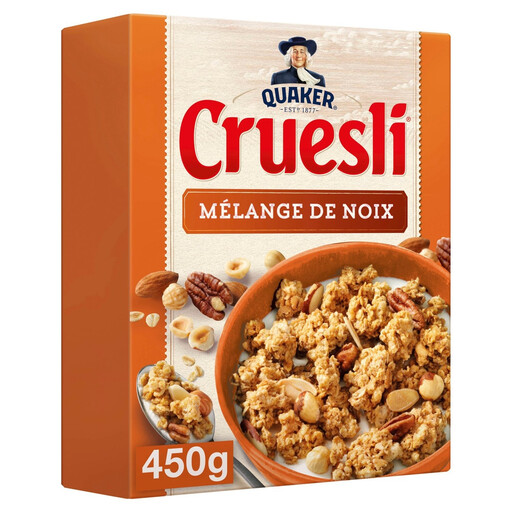 Image unavailable
QUAKER Cruesli Mixed Nuts Cereal Clusters 450 g
Worth considering if you’re looking for crunchy clusters with nuts. The pack contains 450 g; check the ingredients list and allergens if the exact composition will determine your choice.
View on Joybuy
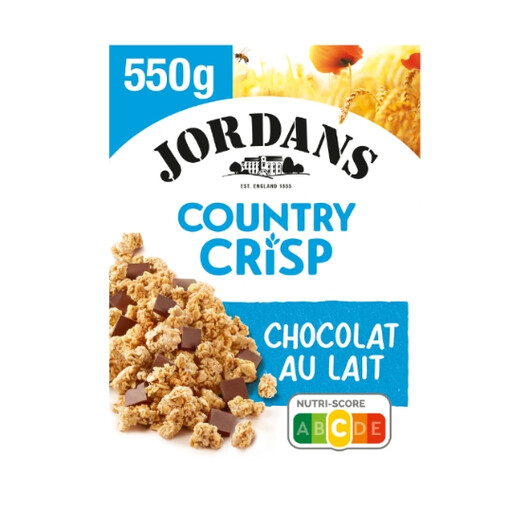 Image unavailable
Jordans Country Crisp Milk Chocolate 550 g
Worth considering if you prefer a crunchy milk chocolate recipe. The pack contains 550 g; check the ingredients, allergens and nutrition information before comparing it with a muesli without chocolate.
View on Joybuy
Frequently asked questions
How can you tell whether muesli contains wholegrains?
Read the ingredients list and look for specific names for the grains, such as ‘whole wheat’ or ‘whole rye’, rather than relying on the word ‘muesli’ alone. If you’re comparing two recipes for their fibre content, check the amount per 100 g.
Does ‘no added sugars’ mean ‘sugar-free’?
No. Fruit in muesli can provide naturally occurring sugars. When comparing products, also check the ‘of which sugars’ line per 100 g and the ingredients list.
Is wholegrain muesli suitable for a gluten-free diet?
Not necessarily: a recipe may contain wheat, rye or barley. If you need to follow a strictly gluten-free diet, look for an appropriate, explicit claim on the product and check its ingredients and any warnings about traces. ‘Wholegrain’ doesn’t guarantee that it’s suitable.
How should you store muesli after collecting your order?
Follow the storage instructions on the packaging and reseal the pack after opening. Check these instructions before choosing a large pack if you plan to use it for several breakfasts.
Is the Nutri-Score enough to compare two mueslis?
No. The ministry responsible for health describes Nutri-Score as information about a product’s overall nutritional quality. If it’s displayed, consider it alongside the ingredients list and nutrition information: on its own, it doesn’t tell you which grains or allergens the muesli contains.


