Households keeping an eye on fibre
You want a clear figure and compare fibre per 100 g: the word ‘wholegrain’ isn’t enough to tell two recipes apart.


For the summer holidays, choose your crispbreads by checking the ingredients, fibre per 100 g and storage instructions, rather than relying on the word ‘wholegrain’ alone. The Wasa rye options reviewed list more fibre than the crispbreads and cereal toasts compared here, but your preferred texture, allergens and ability to store packs somewhere cool and dry may affect your choice.
You want a clear figure and compare fibre per 100 g: the word ‘wholegrain’ isn’t enough to tell two recipes apart.
You need to distinguish between the grains used, other ingredients and allergen information before choosing a pack for your household.
You’re planning crispbreads for breakfast or snacks and need to be able to follow the storage instructions, including after opening.
For the holidays, start with what matters most to you, then check the ingredients and storage instructions for the product you choose.
| Criteria | What to check | Who is it for? |
|---|---|---|
| Fibre | Compare fibre per 100 g and look for wholemeal flour in the ingredients. | If I’m mainly looking for a clearly stated fibre content, I want to be able to compare packs on a like-for-like basis. Around 40% of consumers put this first. |
| Ingredients and allergens | Check the grains, other ingredients and any allergen or ‘may contain’ information. | If some ingredients aren’t suitable for my household, the ingredients take priority over texture or fibre content. This is the top priority for around 30% of consumers. |
| Storage | Check the best-before date and storage instructions before and after opening. | For food to take away, I need to be able to store the packs as directed throughout our stay. This is the main concern for around 20% of consumers. |
| Texture and format | Choose between crispbread, crunchy toast and toasted slices, then compare the nutritional information. | If the format I want for breakfast or a snack guides my purchase, I’ll compare the recipes next. Around 10% of consumers prioritise this criterion. |
On the product pages reviewed, Auchan lists 26 g of fibre per 100 g for Wasa Fibres, 20 g for Wasa Complet and 8.6 g for Pasquier Grilletine au blé complet. These descriptions don’t mean the products have the same fibre content.
Compare the fibre per 100 g, then check the ingredients and salt content of each product.
Wheat and rye contain gluten. Other allergens or traces listed vary by recipe, so the name of the grain is no substitute for checking the pack.
If anyone in your household needs to avoid certain foods, check the ingredients and allergen information for the exact product before buying.
The Wasa crispbread products reviewed advise storing them somewhere cool and dry. An opened pack should also be protected according to the product’s own instructions.
Before you set off, check the pack’s storage instructions and plan a suitable place for any opened packs.
The DGCCRF describes Nutri-Score as a voluntary label. On its own, it doesn’t tell you the main grain, allergens or storage instructions.
Also check the ingredients, allergen information and nutritional details.
The Complet and Fibres products reviewed are rye crispbreads, but their recipes and stated fibre contents differ.
The Céréales Complètes product reviewed is a crunchy toast made with several grains.
The Grilletine au blé complet reviewed comes in small toasted slices, rather than rye crispbread.
Carrefour’s online range includes crispbreads and wholewheat products, including Wasa Complet.
Auchan’s online range includes the Wasa, Pasquier and Cracotte products reviewed here.
These Joybuy products include rye crispbread and two types of wholewheat toast. To compare them for your holidays, check the ingredients, nutritional information and storage instructions for the pack you choose.
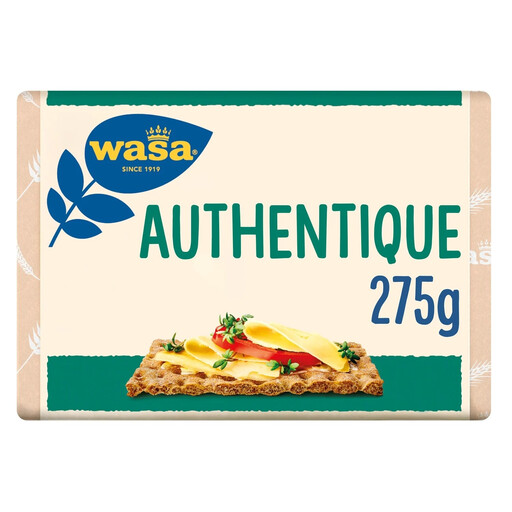 Image unavailable
Worth considering if you’re looking for rye crispbread to take away. This product comes in a 275 g pack; Joybuy advises sealing it tightly after opening to keep it crisp. Check the ingredients and allergen information if certain grains or traces are a concern for your household.
 Image unavailable
Worth comparing if you’d prefer wholewheat rusks to rye crispbread. This pack contains 240 g; the product details list wheat and barley in the recipe. Read the label to check allergens and storage instructions after opening.
 Image unavailable
Worth considering if you’re looking for wholegrain toast in a 425 g pack. The product details list sugar in the recipe, as well as gluten from wheat and barley. Compare the ingredients and nutritional information with other formats before choosing.
No. The wholegrain crispbreads reviewed here are made with wheat or rye, which contain gluten. If you need to avoid gluten, don’t rely on the word ‘wholegrain’: check the relevant product’s gluten-free labelling, ingredients and allergen information.
Read the ingredients, highlighted allergens and nutritional information. According to the DGCCRF, Nutri-Score labelling is voluntary; it doesn’t replace these details when comparing recipes.
Follow the instructions on each pack. The product pages for the Wasa Complet and Fibres options reviewed advise storing them somewhere cool and dry. For Wasa Authentic, Joybuy recommends sealing the pack tightly after opening to keep the crispbread crisp.