Families looking for wholegrain cereals
If you’re replacing some refined cereals, look for ‘wholegrain oats’ or ‘wholewheat’ in the ingredients. Plain oats also let you create different bowls using the same base.


For breakfasts with a large family, start by thinking about how much preparation time you have and which recipes everyone will enjoy. Oats provide a versatile base, while flakes are ready to serve and granola is ideal if you prefer a crunchy mix. Whatever the format, check the proportion of wholegrains, the nutritional information per 100 g and the allergens. The word ‘wholegrain’ alone tells you nothing about the sugar content or whether a product is suitable for a particular diet.
If you’re replacing some refined cereals, look for ‘wholegrain oats’ or ‘wholewheat’ in the ingredients. Plain oats also let you create different bowls using the same base.
A wholegrain recipe can still contain sugar. If adults and children will be sharing the same cereal, compare the values per 100 g and the ingredients rather than relying on the product name alone. Manger Bouger notes that some cereals aimed at young people can be high in sugar.
Check the cereals, nuts and any ‘may contain’ information on each pack. The presence of oats or a wholegrain cereal doesn’t automatically mean a product is suitable for a strict gluten-free diet.
Start with what matters most to your household, then compare products in the same format by checking their labels.
| Criteria | What to check | Who is it for? |
|---|---|---|
| Wholegrains and fibre | The wholegrain cereal in the ingredients and the fibre per 100 g, comparing similar recipes. | If you’re replacing refined cereals, it’s important to see which wholegrain cereal is actually used in the recipe. Around 31% of consumers prioritise wholegrain ingredients and fibre. |
| Pack size and restocking | The net weight and how many breakfasts the pack usually covers in your household. | When several people share the same pack, choosing a size that suits your household’s consumption makes it easier to plan your shopping. Pack size and how often to restock are the top priorities for around 31% of consumers. |
| Sugar and a recipe everyone enjoys | Sugar and salt per 100 g, followed by the serving size shown on the pack. | If tastes differ around the table, finding a recipe everyone will eat without overlooking the sugar content can make all the difference. This is the priority for around 23% of consumers. |
| Allergens and gluten | Highlighted allergens, ‘may contain’ information and, where necessary, a statement confirming suitability for the gluten-free diet being followed. | If someone in your household needs to avoid an ingredient, whether the pack you buy is suitable matters more than its texture or fibre content. Around 15% of consumers put this check first. |
The presence of a wholegrain cereal doesn’t determine the amount of sugar. According to their respective product information, Kellogg’s Special K Nature contains 15 g of sugar per 100 g, while Nestlé FITNESS Nature contains 8.8 g per 100 g. These figures apply to these specific recipes.
Compare the nutritional information per 100 g, then check the serving size and ingredients of the product you’re considering.
The net weight doesn’t tell you how many breakfasts the pack will actually cover. That depends on the serving sizes and how many people eat it.
Match the pack size to your household’s usual consumption before planning when to restock.
Jordans Almond, Hazelnut and Seed Granola contains nuts, while the product information for Quaker Oats mentions that it may contain barley and wheat. So two products made with wholegrain cereals won’t necessarily need the same checks.
Read the ingredients, highlighted allergens and any ‘may contain’ information on the pack you buy.
Carrefour warns that the recipe for the Jordans granola in question may change and may occasionally differ from the information shown online. If a product displays a Nutri-Score, this doesn’t replace checking the ingredients.
Check the ingredients, allergens and nutritional values on the pack before serving a new product to your household.
The details below relate to the specific products named, not to every cereal made by each brand.
According to Kellogg’s France, Special K Nature combines rice, wholewheat and barley in ready-to-serve flakes.
FITNESS Nature is a ready-to-serve cereal containing wholewheat, with nutritional values detailed by Nestlé Céréales France.
The Quaker Oats featured by Carrefour can be used as a base for porridge or a customised bowl, depending on everyone’s preferences.
The Almond, Hazelnut and Seed Granola is worth considering if your household is looking for a mix of oats, barley, seeds and nuts.
Carrefour Bio offers wholewheat and rice flakes, as well as wholegrain oats: two formats for different kinds of breakfast.
This selection includes ready-to-serve cereals, oats and granola to suit different household breakfast habits. To choose between them, check the recipe and label on each pack.
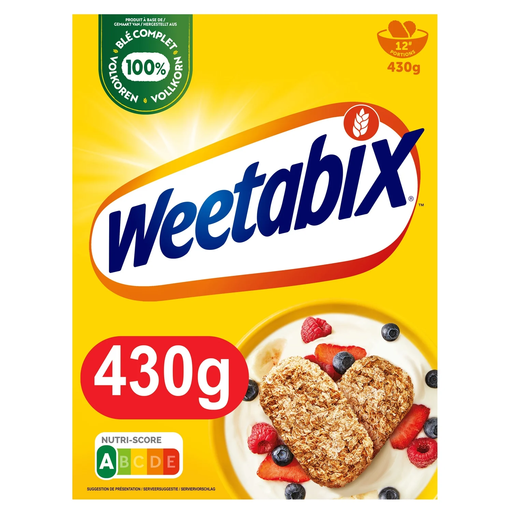 Image unavailable
Worth considering if your household wants a ready-to-serve breakfast cereal. Compare its ingredients, nutritional values per 100 g and allergens with those of the other recipes you’re considering.
 Image unavailable
Consider these if everyone would prefer to make their own bowl with oats rather than pour out a ready-made cereal mix. If you follow a particular diet, check the ingredients and allergen information on the pack.
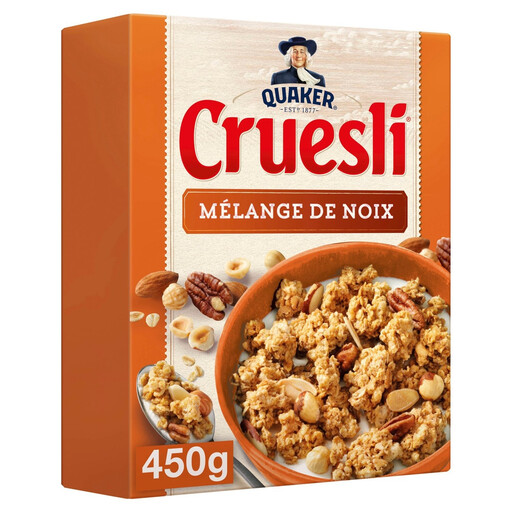 Image unavailable
This mix is worth considering if your household prefers granola with nuts. Before choosing it for everyone, check the nuts listed, any ‘may contain’ information and the sugar per 100 g.
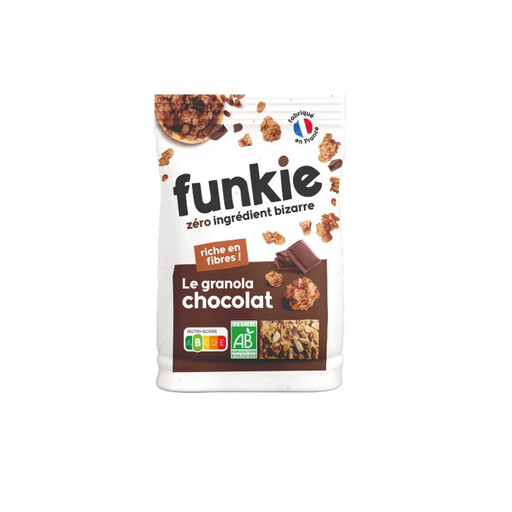 Image unavailable
If your household enjoys chocolate granola, this is another recipe to consider alongside nut-based mixes. Compare the sugar content and ingredients on the pack rather than assuming what it contains from the word ‘organic’ alone.
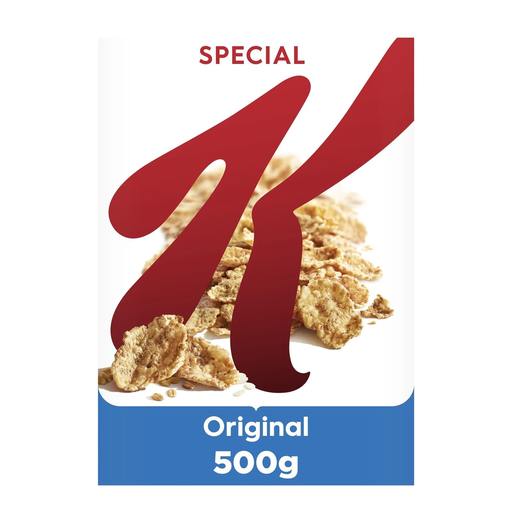 Image unavailable
Worth considering if your household is looking for a cereal that’s ready to pour. Check the proportions of the different cereals in this Original variety: it’s not the same as the Special K Nature mentioned above.
Read the ingredients and look for a clear description, such as ‘wholegrain oats’ or ‘wholewheat’. Then check the proportions if they’re listed, and compare the fibre, sugar and salt per 100 g. The presence of one wholegrain ingredient doesn’t tell you everything about the recipe.
No. Don’t assume this from the words ‘oats’ alone. Check for a statement confirming suitability for the diet you follow, as well as the allergens and ‘may contain’ information on the pack. Carrefour’s product information for Quaker Oats, for example, says they may contain barley and wheat.
No, displaying it is voluntary, as Santé publique France explains. If it’s shown, it can help you compare similar products, but you should also read the ingredients, nutritional information and allergens.
Manger Bouger recommends gradually increasing the amount of fibre-rich foods you eat and drinking enough fluids. When shopping for your family, this also gives you the chance to try a new format before buying it regularly for everyone.