If your priority is the amount of protein per glass, compare the values per 100 ml rather than choosing a milk just because it’s whole milk: Candia lists 3.3 g of protein per 100 ml for GrandLait whole milk, compared with 5.0 g for its protein-enriched skimmed milk, Candia+ Protéines. For a young child, their age and the role milk plays in their diet matter more than a ‘high-protein’ label. If by ‘gentle’ you mean that you’re concerned about lactose, check for that separately.
Who is this choice for?
Adults comparing protein content
If you’re looking for more protein per glass, check the nutritional information rather than relying on the milk’s texture. According to the values published by Candia, GrandLait whole milk contains 3.3 g of protein per 100 ml, while Candia+ Protéines, a protein-enriched skimmed milk, contains 5.0 g per 100 ml. These products therefore suit different preferences when it comes to fat content.
Parents of children aged 1 to 3
For a young child, the first things to consider are their age and the role milk plays in their meals, not a claim about how gentle it is. Manger Bouger says that between the ages of 1 and 3, growing-up milk is preferable if possible, and UHT whole milk can be alternated with it. Before the age of 1, Assurance Maladie recommends sticking with infant formula.
People keeping an eye on lactose
If by ‘gentle’ you mean lower in lactose, check whether this is stated for the product you’re considering. Assurance Maladie distinguishes lactose intolerance, which affects the digestion of a sugar in milk, from an allergy to cow’s milk proteins. Lactose-free milk is still a dairy product, and its protein content depends on the specific product.
Which criteria should you prioritise?
First, pin down what you mean by ‘gentle’: a particular taste, a product for a child or a lactose-free option. Then compare protein and fat content for the same amount of milk. For powdered milk, use the values for milk prepared according to the instructions.
| Criterion |
What to check |
Who is it for? |
| Protein and fat |
Compare protein and fat per 100 ml on the label. Candia lists 3.3 g of protein per 100 ml for GrandLait whole milk and 5.0 g per 100 ml for Candia+ Protéines, which is skimmed and protein-enriched. |
I want to compare what each glass provides without assuming that whole milk has more protein. Around 50% of consumers make this comparison their priority. |
| Child’s age |
Check the type of milk and the age specified for the product. Assurance Maladie recommends sticking with infant formula before the age of 1; Manger Bouger says that UHT whole milk can be alternated with growing-up milk between the ages of 1 and 3. |
For my young child, I want to choose milk that’s right for their age and the role it plays in their meals. This comes first for around 30% of consumers. |
| Lactose |
Check the lactose content of the product, then its protein and fat content: ‘lactose-free’ doesn’t mean ‘whole milk’ or ‘protein-enriched’. |
If lactose is my concern, I’m looking for a product with clearly listed ingredients and nutritional information, without confusing it with a solution for a milk allergy. Around 20% of consumers prioritise this criterion. |
Common pitfalls to avoid
-
Assuming ‘whole’ means higher in protein
‘Whole’ tells you what type of milk it is, not that it has a higher concentration of protein. According to Candia’s nutritional information, GrandLait whole milk contains 3.3 g of protein per 100 ml; the protein-enriched Candia+ Protéines contains 5.0 g per 100 ml, but it is skimmed milk.
Before you choose, compare the ‘protein’ and ‘fat’ values for the same quantity.
-
Choosing protein-enriched milk for a young child based on its name alone
Candia says Candia+ Protéines is intended for people aged 3 and over. For younger children, the guidance from Assurance Maladie and Manger Bouger distinguishes between infant formula before the age of 1 and the possible role of growing-up milk and UHT whole milk between the ages of 1 and 3.
Check the recommended age and type of milk before comparing its protein content.
-
Confusing ‘lactose-free’ with ‘milk protein-free’
Assurance Maladie describes lactose intolerance as difficulty digesting a sugar found in milk. Lactose-free milk can still contain milk proteins, so this label alone doesn’t tell you whether it’s suitable for someone with an allergy.
If an allergy is suspected or diagnosed, ask a healthcare professional for advice rather than simply replacing your usual milk with a lactose-free version.
-
Interpreting ‘gentle’ as a nutritional category
The word may refer to a taste preference, texture or expectations around lactose. On its own, it doesn’t tell you how much protein or fat the product contains, or what age it’s intended for.
Decide which criterion matters to you, then check the relevant information on the label.
Brands to know
Candia
Candia offers products including GrandLait whole milk and Candia+ Protéines, two milks with different nutritional profiles.
- According to Candia’s nutritional information, GrandLait whole milk contains 3.3 g of protein and 3.6 g of fat per 100 ml.
- Candia+ Protéines contains 5.0 g of protein and 0 g of fat per 100 ml. This protein-enriched skimmed milk isn’t the right choice if you specifically want whole milk.
Lactel
Lactel offers UHT whole milk as well as lactose-free Matin Léger products.
- An Auchan listing for Lactel UHT whole milk states that it contains 3.3 g of protein per 100 ml.
- According to Lactel, Matin Léger Bio 1.2% contains 3.3 g of protein per 100 ml and less than 0.1 g of lactose per 100 ml. With 1.2% fat, this product isn’t whole milk.
Auchan
Auchan sells UHT whole milk under its own brand, as well as a protein-enriched milk.
- Auchan describes its UHT whole milk in a 6 × 1 L pack as collected and packaged in France.
- The protein-enriched product has a different nutritional profile. Check the label of the product sold in your shop before treating it as whole milk.
Carrefour
Carrefour offers products including Classic' UHT whole milk in a 1 L bottle.
- This product clearly states the type of milk and the bottle size.
- To compare it with protein-enriched milk, check the nutritional values per 100 ml on the packaging.
Whole milk on Joybuy
These products offer two ways to use whole milk: ready-to-drink liquid milk in a multipack and powdered whole milk to prepare. To compare the protein content per glass, use the values for the prepared milk, not the dry powder.
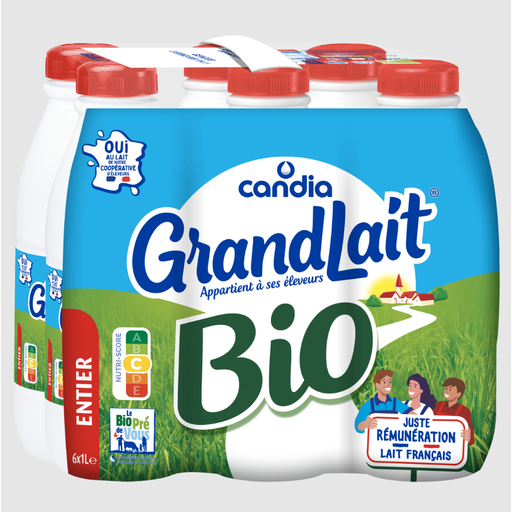 Image unavailable
GrandLait whole milk, pack of 6 × 1 L
This liquid whole milk is a convenient choice if you want milk that doesn’t need to be reconstituted. The pack contains six 1 L cartons. If these values guide your choice, compare the protein and fat content on the label.
View on Joybuy
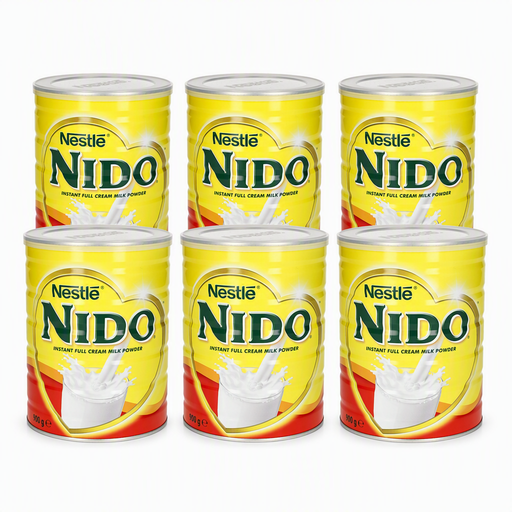 Image unavailable
Nestlé NIDO whole milk powder, 900 g, pack of 6
This multipack is for anyone looking for whole milk powder rather than ready-to-drink liquid milk. It contains six 900 g packs. Check the preparation instructions and the nutritional values for the reconstituted milk when comparing a serving.
View on Joybuy
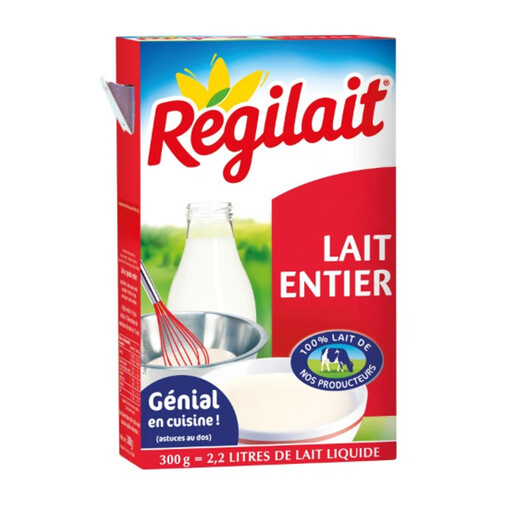 Image unavailable
Regilait whole milk powder, 300 g
This 300 g pack is a good option if you’re looking for whole milk powder in a smaller size than the multipacks featured here. To assess the protein content per glass, follow the preparation instructions and check the values for the reconstituted milk.
View on Joybuy
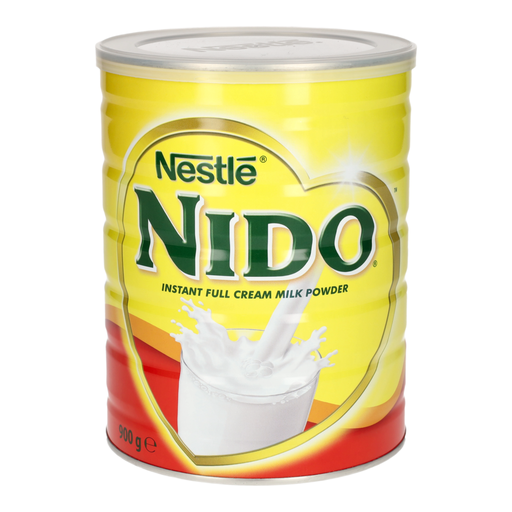 Image unavailable
Nestlé NIDO whole milk powder, 900 g
This 900 g product gives you the option of buying whole milk powder separately rather than in a pack of six. Before comparing its protein content with liquid milk, check the reconstitution instructions and the nutritional values per prepared serving.
View on Joybuy
Frequently asked questions
Does whole milk always contain more protein?
No. Being whole milk doesn’t mean it has been enriched with protein. According to Candia, GrandLait whole milk contains 3.3 g of protein per 100 ml, while Candia+ Protéines contains 5.0 g per 100 ml thanks to added protein. The latter is skimmed milk.
At what age can a child have whole cow’s milk?
Before the age of 1, Assurance Maladie recommends sticking with infant formula. Between the ages of 1 and 3, Manger Bouger says that growing-up milk is preferable if possible, and that UHT whole milk can be alternated with it. A protein-enriched milk shouldn’t replace this age-based guidance just because of its nutritional profile.
Is lactose-free milk suitable for someone with a milk protein allergy?
The label ‘lactose-free’ doesn’t mean that a product is suitable for someone with an allergy to cow’s milk proteins. Assurance Maladie distinguishes this allergy from lactose intolerance, which affects the digestion of a sugar found in milk. If an allergy is suspected or diagnosed, seek medical advice about choosing a product.
How should you store UHT milk after opening?
Follow the storage instructions and use-by period on the packaging of the product you’ve bought. These can vary from one product to another: the instructions listed for Candia GrandLait whole milk and Lactel Matin Léger Bio are four and three days in the fridge after opening, respectively.


