
Livraison le jour même ou le lendemain

Qualité garantie

Débloquez vos offres de bienvenue: Livraison GRATUITE | Jusqu'à -80 % | 30 jours d'essai gratuits à JoyPlus
Téléchargez l'application
Whole milk powder can meet several everyday needs: cutting down on trips to buy fresh milk, having a product that keeps for a long time, or preparing a recipe without opening a new bottle. But with all the different formats and marketing claims, the choice isn't always as straightforward as it seems.
Three common pitfalls keep cropping up:
To buy with confidence, it's better to compare the composition, preparation and format, rather than just going by how the box looks.
In a classic whole milk powder, whole milk powder should appear among the first ingredients. For example, the NIDO Nestlé milk featured here contains 99.70% whole milk powder and 0.30% soya lecithin. The lecithin helps the powder disperse more easily in water.
On the other hand, a milk powder intended for cooking and baking may be formulated to deliver more flavour, fat or a particular texture. It isn't necessarily designed to be drunk as a beverage.
Also remember to check for allergens: whole milk contains lactose, while some products may contain soya or traces of other ingredients.
The nutritional table lets you compare products on a common basis. Per 100 g of powder, NIDO Nestlé shows 28.2 g of fat, 25.7 g of protein, 36.5 g of carbohydrates and 503 kcal. The TWO COWS product has similar values, with 28.2 g of fat and 25.7 g of protein per 100 g.
These figures refer to the dry powder, not the drink once reconstituted. If you're looking for a milk powder that's high in protein or marketed as rich in calcium, check the actual amounts stated on the label, as well as whether any added minerals are present. A marketing promise never replaces reading the nutritional table.
A 900 g milk powder format can suit a family that regularly makes drinks, sauces, pancakes or desserts. Conversely, a 300 g or 400 g tin takes up less space and reduces the risk of keeping an opened product for months.
The powder should generally be stored in a cool, dry place, in a container that's carefully sealed after each use. Follow the manufacturer's instructions and use drinking water. Once reconstituted, the milk should be consumed quickly and kept in the fridge if the label recommends it.
Freeze-dried whole milk and whole milk dried by other methods aren't necessarily interchangeable: the texture, dissolution and recommended uses can vary. Always check the instructions for the product you choose.
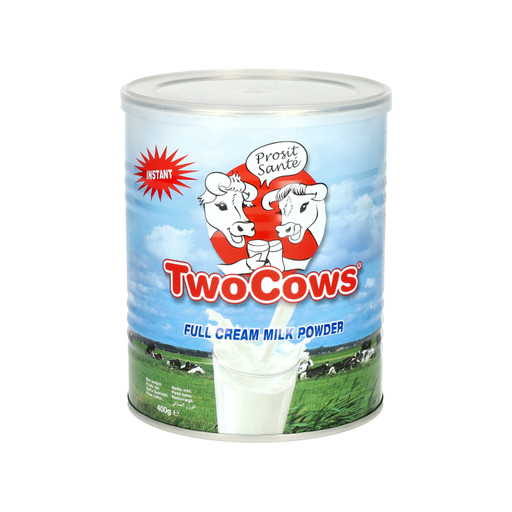
Why this choice suits this profile: At 400 g, this format lets you try instant milk powder without building up too much stock. It works well for occasional drinks and a few recipes.
The net weight and composition are clearly stated, making it easier to calculate the cost per use and confirm it's whole milk.
28.2 g of fat and 25.7 g of protein per 100 g according to the product sheet, with soya lecithin.
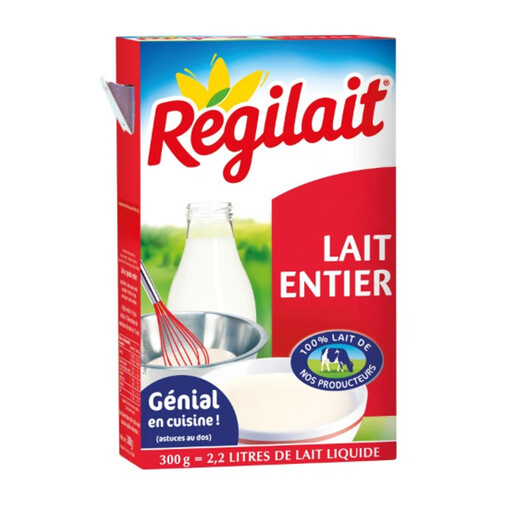
Why this choice suits this profile: This 300 g French format is aimed at those who care about the stated origin and want a powder that's easy to use at breakfast or in baking.
Its moderate size reduces the risk of leaving the tin open for too long. The sheet recommends storing the product in a dry place and resealing the spout properly.
26 g of protein and 26 g of fat per 100 g according to the sheet, with claimed instant dissolution.
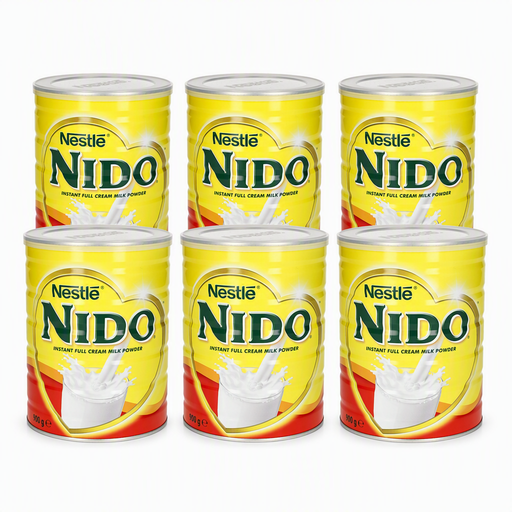
Why this choice suits this profile: The 900 g tins, sold here as a multi-pack, are ideal for families, cooking and baking enthusiasts, and bulk buyers.
The ingredients list mainly features whole milk powder. After opening, the lid must be kept closed to limit moisture and prevent clumping.
25.7 g of protein and 28.2 g of fat per 100 g, with recommended use for drinking, cooking and baking.
We've put together a comprehensive, real-time selection of products that meet these strict selection criteria and European safety regulations.
It generally keeps longer than fresh milk before opening, but the exact shelf life depends on the date on the tin and storage conditions. After opening, keep the container sealed, in a dry place away from heat. Reconstituted milk doesn't keep the same way as dry powder.
Follow the ratio of powder to water recommended by the manufacturer. Mix gradually with suitable water, then leave it to stand for a few moments if needed before stirring again. Instant powder is designed to disperse more easily, but the water temperature and the order of adding also affect the result.
Yes, it can be used to make custards, batters, sauces, hot drinks and desserts, all without opening a bottle of fresh milk. To make the right choice, though, check the fat content, the flavour you're after and the quantity needed for your recipe.