
Livraison le jour même ou le lendemain

Qualité garantie

Débloquez vos offres de bienvenue: Livraison GRATUITE | Jusqu'à -80 % | 30 jours d'essai gratuits à JoyPlus
Téléchargez l'application
Looking to swap traditional white rice for a more flavourful and nutritious alternative?? A whole grain rice blend is the perfect gateway to a world of new flavours, textures, and health benefits. But with the vast array of options—from 3-colour rice and trio rice to black or red varieties—it can be hard to know where to start.
To help you make an informed choice, we've broken down the key criteria and selected some standout products. Follow our guide to find the blend that will liven up your meals.
To find the perfect match for your tastes and needs, here are the key points to consider.
Each variety of whole grain rice has its own unique signature.
A trio rice or 3-colour rice blend typically combines these varieties for a perfect balance of flavour, texture, and visual appeal.
One of the main advantages of whole grain rice is, of course, its nutritional value. Unlike white rice, which has had its bran and germ removed through polishing, whole grain rice retains these nutrient-rich parts. This makes it an excellent source of fibre, protein, vitamins (especially B vitamins), and minerals (like magnesium and phosphorus).
If you're looking for a high-fibre rice to improve satiety and digestion, or a more nutritionally dense alternative to white rice, a whole grain rice blend is an ideal choice. For those who prioritise it, the organic whole grain rice label is another factor to consider, as it guarantees the rice was grown without synthetic pesticides or fertilisers.
Think about how you plan to use it in the kitchen.
It's time for our recommendations! Here are three products we've selected for their quality, taste, and versatility.
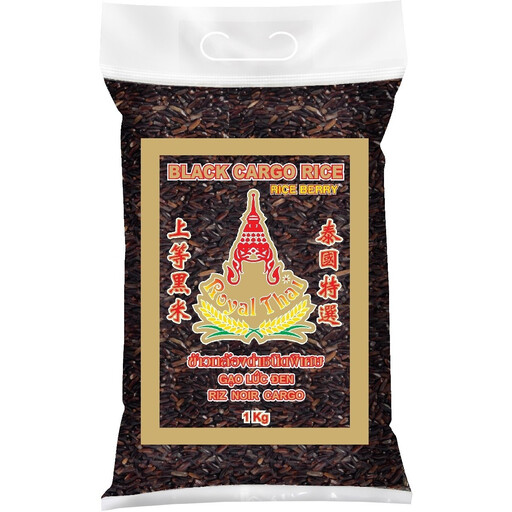
What makes it stand out: Note: this isn't a blend, but a single-variety whole grain black rice called "Rice Berry". We love it for its intense purple colour, slightly sweet nutty flavour, and soft, chewy texture once cooked. It's an excellent introduction to the world of black rice.
Advantages:
Who is it for?: For the culinary adventurer looking to discover the unique flavour of a quality black rice and add a touch of originality to their dishes.
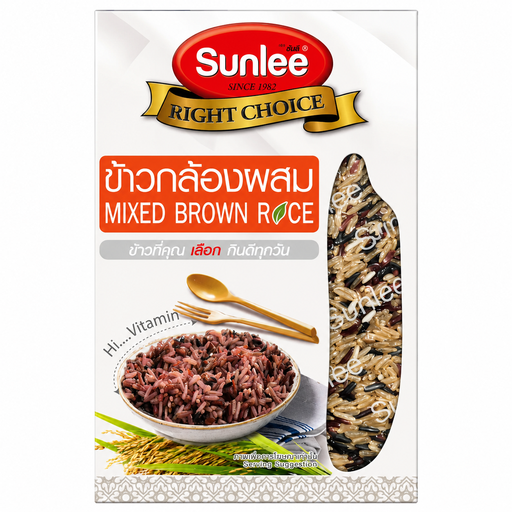
What makes it stand out: This is the ultimate nutritious all-rounder. This whole grain rice blend combines several varieties (brown, red, black) for a result that's balanced in both taste and texture. A simple and effective option for incorporating healthy rice into your diet.
Advantages:
Who is it for?: Ideal for families and anyone looking for a healthy and convenient solution for everyday meals without being limited to a single rice variety.
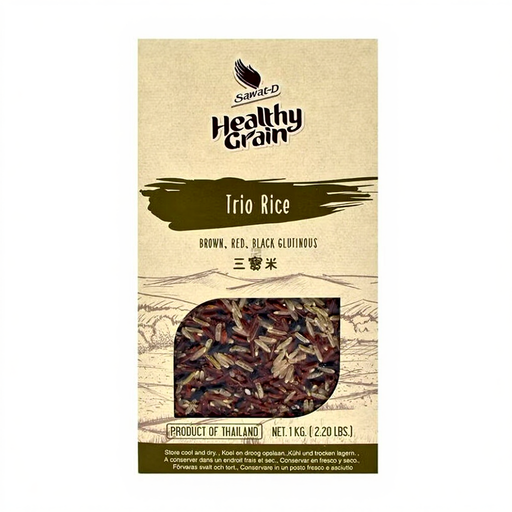
What makes it stand out: This trio rice features a precise and balanced composition: 40% brown rice, 40% red rice, and 20% black rice. This formula ensures a visually appealing dish with a pleasant bite and a wonderful complexity on the palate.
Advantages:
Who is it for?: Perfect for those who love a combination of textures and colours and are looking for a characterful blend to elevate their side dishes or salads.
Our selection is just a glimpse of what's available. The world of rice is vast! To discover other varieties, sizes, or brands, feel free to explore our full catalogue.
? Explore our full range of 1 kg rice
The main difference comes down to the refining process. Whole grain rice retains its outer layer (the bran) and its germ, which contain most of the fibre, vitamins (B1, B3, B6), minerals (magnesium, iron, phosphorus), and antioxidants. White rice, on the other hand, is polished, losing these elements and consisting mainly of starch. Therefore, whole grain rice is a much more compelling alternative to white rice from a nutritional standpoint.
Cooking a whole grain rice blend takes a little more time and water than white rice. Generally, use a ratio of about one part rice to two parts water. Bring to a boil, then reduce the heat, cover, and simmer for 30 to 45 minutes, or until the water is fully absorbed. It's best to follow the specific instructions on the package, as cooking times can vary depending on the blend's composition.
The "organic" label guarantees that the rice was grown without synthetic pesticides, herbicides, or chemical fertilisers, in accordance with European regulations. Choosing organic whole grain rice is primarily a personal preference, linked to a desire for more environmentally friendly farming methods. From a purely nutritional standpoint, the differences between organic and conventional rice are not always significant. It is, above all, a choice based on conviction.