People on the go without a grinder
If you’re having lunch away from home with limited equipment, check that a single serving can actually be made with the water and container you’ll have available.


For lunch on deck, choose whole-bean coffee if you have access to a grinder or a machine with a built-in grinder, as well as the equipment you need to make the coffee. If all you have is a cup and hot water, look for a single-serve coffee that can be prepared without a machine. The words “pyramid bags” alone don’t tell you what type of coffee it is or how to prepare it.
If you’re having lunch away from home with limited equipment, check that a single serving can actually be made with the water and container you’ll have available.
If you can bring a grinder or use a machine with a built-in grinder, whole-bean coffee lets you choose when to grind it, but you’ll need more equipment to prepare it.
If you also make coffee at home or in the office, you can compare origins, stated flavour profiles and pack sizes to find the right option for your equipment.
For lunch, first check what water and equipment will be available. You can then choose how to prepare the coffee, followed by the coffee profile that suits you.
| What to consider | What to check | Who is it for? |
|---|---|---|
| Making coffee on the go | Read the instructions: single-serve filters, instant coffee and machine pods are prepared in different ways. Also check whether hot water is available. | I won’t have a grinder on deck, so I want to make a cup with the equipment I have; around 40% of consumers put this compatibility first. |
| Grinding on demand | Bring a grinder or a machine with a built-in grinder, as well as the right equipment for brewing. | I can carry a grinder and prefer to grind my beans just before making coffee, even if that means bringing extra equipment; around 30% of consumers prioritise grinding on demand. |
| Coffee profile | Once you’ve chosen how to prepare it, compare the product’s origins, blends and roast information. | If my equipment is already suitable, I want to choose coffee by its origin or stated profile; around 30% of consumers make this their top priority. |
Beans need to be ground first, then brewed using a suitable method. Without the right equipment, they aren’t enough to make coffee at lunchtime.
If you’re heading out without a grinder or a machine with a built-in grinder, choose a single serving with instructions that match the equipment available.
A Malongo 1,2,3 Spresso® pod is designed for an espresso machine; an instant coffee stick and a filter that sits over a cup each need a different preparation method. “Pyramid sachet” doesn’t tell you which one you’re buying.
Check the instructions and, for a pod, make sure you have the required machine before planning to take it on deck.
Carte Noire recommends keeping its pack closed and away from light and moisture. So if you don’t drink much coffee, the pack size deserves just as much attention as the coffee itself.
Choose a pack size that suits how much coffee you drink, and reseal it after use.
Carte Noire offers whole-bean coffee for people who want to grind their coffee before brewing.
Lavazza’s whole-bean range lets you compare different roast profiles if you have a grinder or a machine with a built-in grinder.
Malongo 1,2,3 Spresso® paper pods are a single-serve format that’s different from whole-bean coffee.
Carrefour sells whole-bean coffee under its own brands, including options for espresso, filter coffee and automatic coffee machines.
E.Leclerc’s Plantation and Bio Village ranges include whole-bean coffee products.
Jacobs Barista Editions Espresso is one of the whole-bean products listed in a 1 kg pack at Carrefour.
Ground coffee in single-serve sachets is suitable for making a cup with hot water; the other products below are whole-bean coffees to choose if you can grind them and brew them with the right equipment.
 Image unavailable
This single-serve format is a good option for making a cup without a grinder. Prepare it with hot water, following the product instructions.
The pack contains 7 portions of 10 g of ground coffee. Check the instructions if the exact type of sachet matters to you.
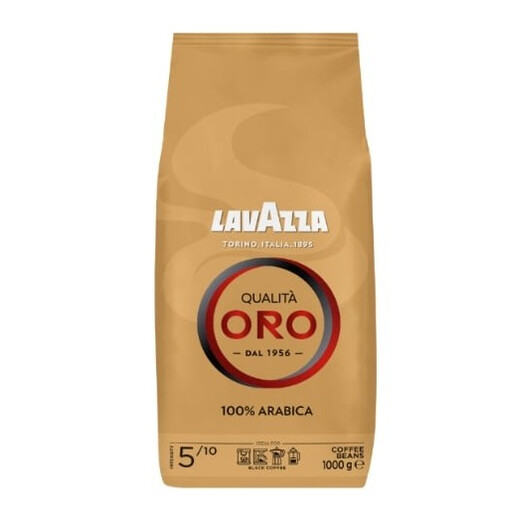 Image unavailable
Consider this for lunch if you have a grinder or a machine with a built-in grinder.
You’ll also need the equipment to brew the coffee after grinding.
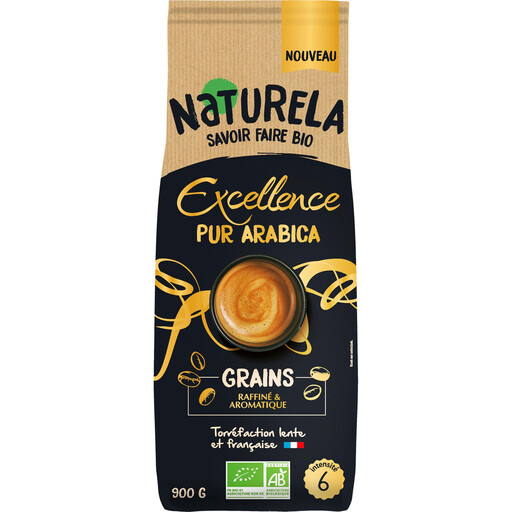 Image unavailable
This whole-bean coffee is suitable for making on the spot only if you can grind it and brew it with your equipment.
Check the pack for preparation and storage instructions to suit how you plan to use it.
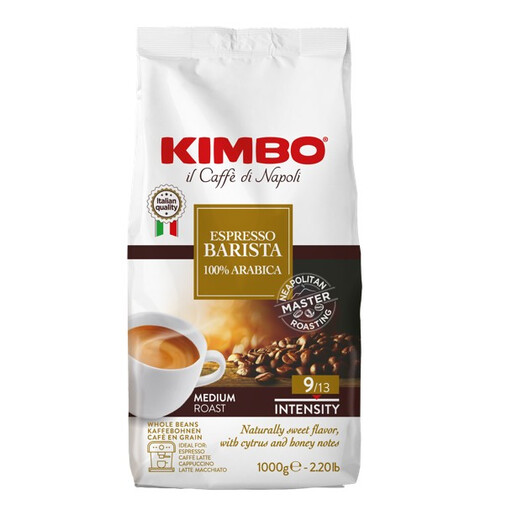 Image unavailable
To make an espresso, you’ll need a grinder or a suitable machine, as well as the equipment to brew it.
The product lists a medium roast and an intensity of 9/13; this intensity scale doesn’t indicate caffeine content.
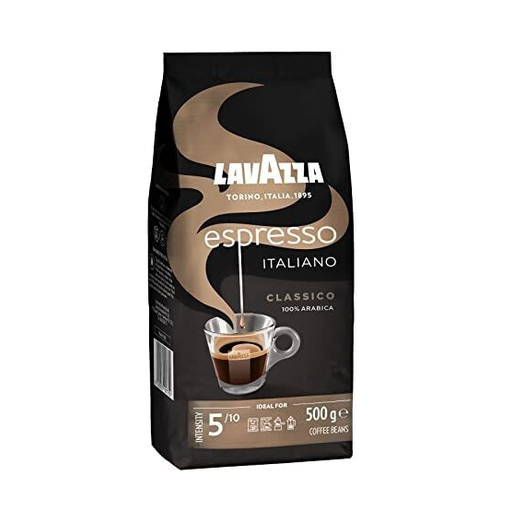 Image unavailable
If you choose beans for this break, make sure you can grind them and then brew the coffee on the spot.
Compare this 500 g pack with other sizes to find one that suits how much coffee you drink.
No. The beans must first be ground, then brewed using a suitable method. If you don’t have a grinder or a machine with a built-in grinder, choose a single-serve format with instructions that match your equipment.
No. Depending on the product, it could be instant coffee or another type of single serving. Malongo 1,2,3 Spresso® pods, for example, need an espresso machine. Check the instructions rather than relying on words such as “sachet” or “pyramid bags”.
First, check the product name and preparation instructions so you know what equipment to bring. Also check the quantity and storage instructions; the DGCCRF reminds consumers that food labelling must be clear and precise.
No. A commercial intensity scale doesn’t, by itself, tell you the caffeine content. If this information matters to you, check the details for the specific product rather than trying to work it out from the intensity rating alone.