
Livraison le jour même ou le lendemain

Qualité garantie

Débloquez vos offres de bienvenue: Livraison GRATUITE | Jusqu'à -80 % | 30 jours d'essai gratuits à JoyPlus
Téléchargez l'application
A whiteboard can quickly lose its usefulness if its accessories are poorly chosen. Ink that leaves marks, an eraser that crumbles or a surface that is too small can make a meeting, lesson or revision session more difficult. To avoid unwelcome surprises, it is better to start with how you will actually use the products rather than relying solely on marketing claims.
This guide from the Joybuy Product Recommendation Officer reviews the key criteria to check and offers a selection suited to different needs.
Not all felt-tip pens are compatible with a whiteboard. Dry-erase markers are designed to be removed with a whiteboard eraser or dry cloth. Acrylic markers and permanent pens, on the other hand, are intended for other surfaces and may leave lasting marks.
Before placing your order, check that the marker is compatible with non-porous surfaces and review how it should be erased. A marker designed for posters, glass or wood is not necessarily suitable for an office whiteboard.
An eraser that is too rigid or already saturated may move the ink around rather than remove it. Over time, shadows and smudges can appear on the surface. A plastic handle and soft pad make the eraser easier to hold while reducing unnecessary friction.
Most of the erasers featured here are designed for dry-erase ink. They should not be used with permanent markers or on a damp surface.
A 450 × 600 mm planning board may suit an office, bedroom or small meeting room. A 24 × 18-inch format is a different size, but these units can cause confusion in France. Measure the wall, table or intended support before ordering, then check the mounting system supplied.
For professional, educational or family use, choose a smooth, non-porous surface compatible with dry erasing. It should allow you to write regularly without catching the marker tip. A compact whiteboard is easy to transport and is sufficient for making to-do lists, while a larger model is better suited to diagrams, meetings and lessons.
In temporary spaces, an adhesive film can turn a table, smooth wall or any other flat surface into a writing area. However, it must be applied to a clean support, and you should check that it is compatible with the existing finish.
The tip width should suit the reading distance. A fine tip is ideal for annotations and details; a broader tip offers better visibility in a classroom or during a presentation. Pencil-style markers are an alternative to traditional felt-tip pens, while double-ended models let you vary the line thickness.
Also consider the type of ink: water-based, solvent-free, acrylic or permanent formulations are each intended for different uses. The information provided by the manufacturer should specify compatible surfaces and any necessary precautions.
Replace the caps on your markers after every use and store them according to the manufacturer’s recommendations. For a whiteboard eraser, remove accumulated dust regularly and wash the pad with mild soap when appropriate. Allow it to dry completely before using it again.
An eraser should be replaced when its pad is worn or it no longer removes ink properly. For markers, lifespan depends on how often they are used, storage conditions and how carefully the cap is replaced. These simple steps help prevent marks and avoid repeated purchases.
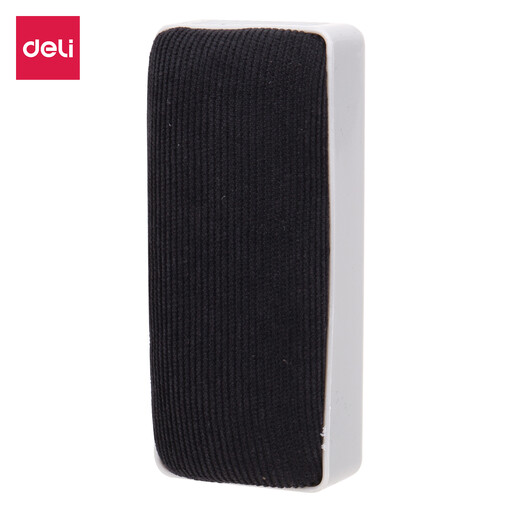
Why this choice suits this profile: This single eraser is suitable for a personal office, study corner or home planning board. It lets you replace a misplaced accessory without having to buy a complete set.
It is clearly intended for dry-erase ink, reducing the risk of choosing an unsuitable accessory.
An effective pad and compact design, practical for everyday use.
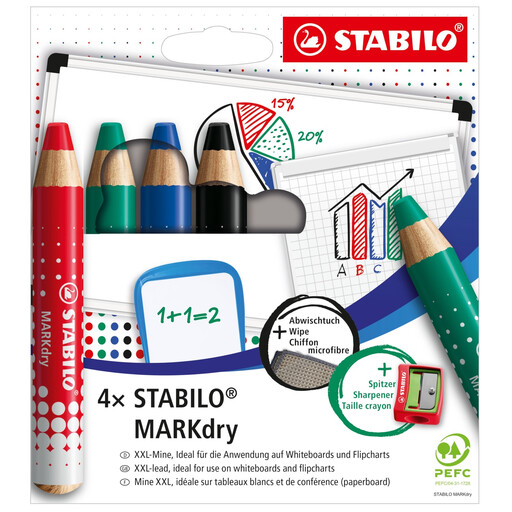
Why this choice suits this profile: This set of four pencil-style markers is aimed at teachers, professionals and anyone looking for a solvent-free, odourless accessory for whiteboards, slates or flipcharts.
It does not rely on liquid ink that could dry out in its reservoir: the tip is renewed by sharpening it, in accordance with the supplied instructions.
Four colours, dry or damp-cloth erasing, and PEFC-certified wood according to the product details.
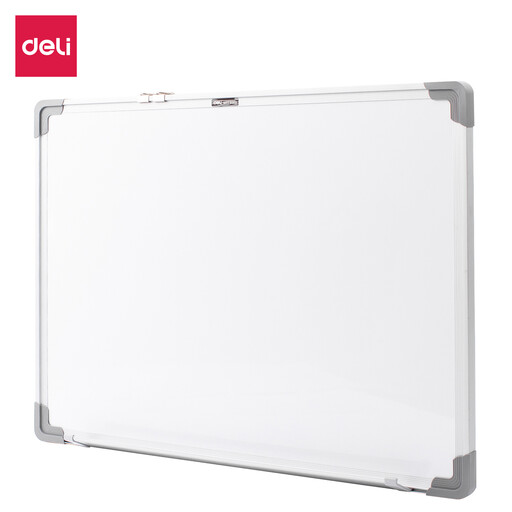
Why this choice suits this profile: Its size is well suited to task tracking, short meetings, private lessons and everyday organisation in a compact space.
The dimensions are clearly stated, so you can check the available space precisely before buying rather than relying on a lifestyle photograph.
A dedicated dry-erase writing surface and a 450 × 600 mm format suited to close-up use.
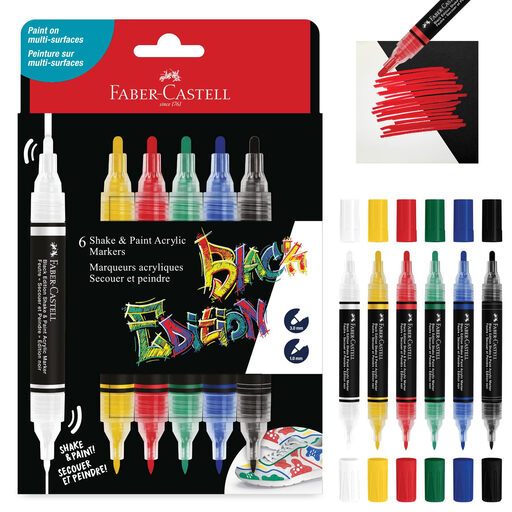
Why this choice suits this profile: This set is aimed at adults looking for drawing materials for paper, glass, wood, metal, plastic or fabric—not a whiteboard marker.
The word “acrylic” makes it clear that this is a permanent creative product and should not be confused with a dry-erase marker.
Six colours, 3 mm and 1 mm double-ended tips, and opaque, water-resistant acrylic ink according to the product details.
We have brought together a complete, real-time updated selection of products that meet these demanding criteria, as well as European safety regulations.
Choose a whiteboard eraser with a soft felt pad, designed for dry-erase ink. Remove residue regularly and avoid abrasive products. A soft cloth can help with cleaning when certain marks remain.
Lifespan varies depending on how often the marker is used, storage conditions and how the cap is replaced. Put the cap back on immediately after every use and store the marker in a dry place. It is time to replace it when the tip becomes uneven or the ink no longer erases properly.
Acrylic markers are generally designed to leave a durable finish on a range of surfaces. They should therefore not be confused with dry-erase markers. For a school or office whiteboard, or a glass surface used in meetings, always check the manufacturer’s stated compatibility before using them.