Fans of plain white chocolate
You’re after a smooth, milky bar to enjoy or share, rather than the more robust flavour of dark chocolate. Check the product description and ingredients: a filled bar or one containing biscuits is a different choice.


For your weekly shop, choose plain white chocolate if you’re after a smooth, sweet bar; one with inclusions if texture matters more; or baking chocolate for a recipe. If by ‘dark’ you mainly mean a stronger cocoa flavour, look instead at dark chocolate bars that state their cocoa percentage: they’re a different type of chocolate. In every case, compare the ingredients, allergens and nutritional information for the specific product you choose.
You’re after a smooth, milky bar to enjoy or share, rather than the more robust flavour of dark chocolate. Check the product description and ingredients: a filled bar or one containing biscuits is a different choice.
You compare sugars, saturated fatty acids and ingredients before adding a bar to your shop. Nutritional information gives you a basis for comparing products per 100 g. According to Santé publique France, the Nutri-Score is an optional addition when it appears on a product.
You’re planning a recipe, looking for a hazelnut bar or prefer pieces of biscuit. The format and ingredient list then matter just as much as the ‘white chocolate’ category, particularly if you need to take allergens into account.
Start by deciding whether you want the sweetness of white chocolate or a stronger cocoa flavour. Then refine your choice based on the recipe, how you plan to use it and the information on the label.
| Criteria | What to check | Who is it for? |
|---|---|---|
| Flavour | Whether it is described as ‘white chocolate’ or ‘dark chocolate’ and, for dark chocolate, the stated cocoa percentage. | If I’m mainly after a pronounced cocoa flavour, a white chocolate bar won’t meet the same need as a dark one. Around 40% of shoppers put this intensity first. |
| Nutritional information | Sugars and saturated fatty acids per 100 g; the Nutri-Score as an additional guide, if shown. | When adding a bar to my shop and comparing recipes, I want to be able to read the nutritional values on a like-for-like basis. This is the main consideration for around 30% of shoppers. |
| Use and format | Whether it is intended for baking or eating, any inclusions and the net weight suited to the intended use. | When I’m making a dessert or looking for a crunchy texture to share, the recipe and format guide my choice. Around 20% of shoppers prioritise this use. |
| Allergens | The ingredients list and any ‘may contain’ statements on the packaging of the product you choose. | If an allergen needs to be avoided, I should check the specific bar, especially if it contains nuts or biscuit. This check comes before all other criteria for around 10% of shoppers. |
White and dark chocolate refer to different recipes. The cocoa percentage highlighted on some dark chocolate bars doesn’t make a white chocolate bar taste like one.
If cocoa intensity is your main priority, look for a dark chocolate bar and check its cocoa percentage and ingredients list.
The levy described by Légifrance applies to drinks and liquid preparations for drinks that meet the conditions set out in the French General Tax Code, not to a white chocolate bar.
To compare chocolate bars, check the sugars and other nutritional values shown on their labels.
According to Santé publique France, displaying the Nutri-Score is voluntary; it complements the nutritional declaration. E.Leclerc says the Nutri-Score E shown for its Tablette d’Or bar is based on an earlier calculation, from before April 2025.
First compare the nutritional information per 100 g for similar products. If you use Nutri-Score labels, bear in mind any difference in the calculation method stated on the packaging.
Hazelnut, biscuit and filled recipes can have different ingredients lists and ‘may contain’ statements. Lindt also says its products aren’t guaranteed to be free from tree nut allergens.
Check the ingredients and ‘may contain’ statements on the packaging of the product you buy, even if you’re already familiar with the brand.
The Excellence range offers two distinct options: a white chocolate bar for a smooth, sweet taste, and dark chocolate bars if the cocoa percentage guides your choice.
A range to consider when you’re choosing white chocolate for baking.
Own-brand white chocolate bars, including the Original and Bio ranges, which are best compared by looking at the exact recipe.
A white chocolate bar available in a 2 × 100 g pack, worth considering if this format suits your shop.
A white chocolate bar with whole hazelnuts for anyone looking for a different texture from a plain bar.
Oreo Blanc combines white chocolate, filling and biscuit, making it a choice for anyone looking for inclusions rather than a plain bar.
These products include a white chocolate bar for baking, two white chocolate recipes with inclusions, and two dark chocolate bars to consider if a ‘dark’ flavour is your priority. Compare each bar based on how you plan to use it: formats and categories aren’t interchangeable.
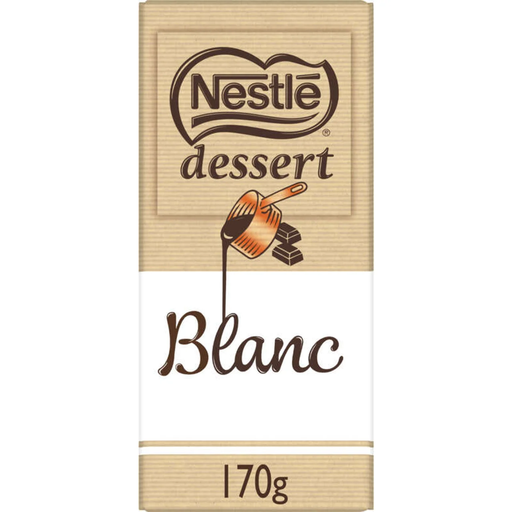 Image unavailable
Worth considering if you’re mainly buying white chocolate for a recipe. The stated pack size is 170 g. Check the packaging for this product to help you choose the right quantity and check for any allergens.
 Image unavailable
An option if by ‘dark’ you mean you prefer dark chocolate to white. The bar is labelled 70% and weighs 100 g. Check its ingredients list and nutritional information, too, to get a full picture of the recipe.
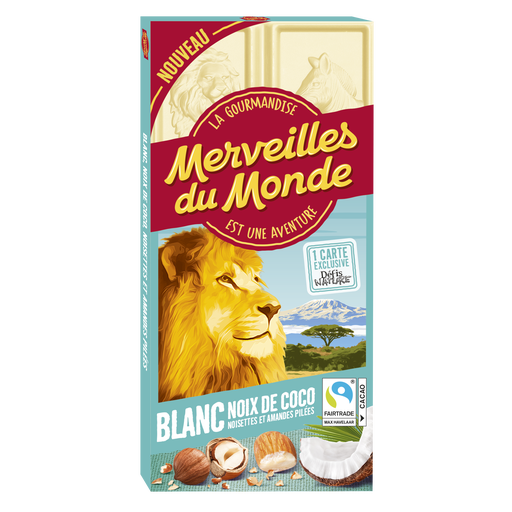 Image unavailable
A white chocolate bar with inclusions rather than a plain recipe. It weighs 100 g. As it contains almonds and hazelnuts, it’s particularly important to check the allergen information before sharing.
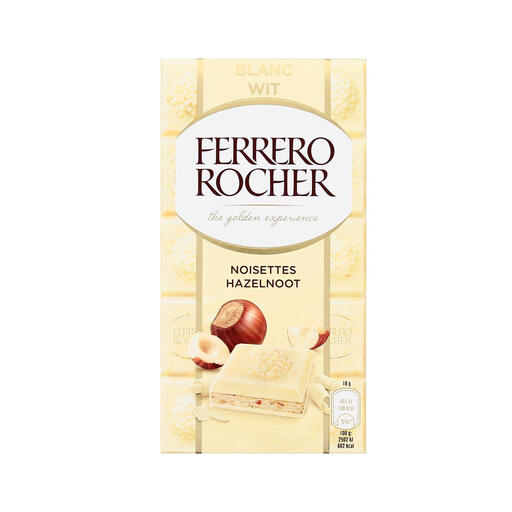 Image unavailable
A 90 g format to consider if you’re looking for another white chocolate recipe with inclusions. Check the ingredients and allergen information on the packaging before sharing.
 Image unavailable
A small dark chocolate format for anyone looking for a stronger cocoa flavour, rather than white chocolate. The mini bar is labelled 70% and weighs 35 g. Check the ingredients and allergens for this specific format.
If you mean a stronger cocoa flavour, look instead at dark chocolate bars and their cocoa percentage. For example, Lindt France lists dark Excellence products that display their cocoa percentage. White chocolate is a different choice, associated here with a smoother, sweeter taste.
No. The levy defined by the General Tax Code, published on Légifrance, applies to drinks and liquid preparations for drinks that meet its conditions, not to chocolate bars. If sugars are important to your choice, compare the values shown in the nutritional information.
No. Santé publique France explains that producers can choose whether to display the Nutri-Score, which supplements the mandatory nutritional information. If it’s shown, also check the values per 100 g and any details given about the calculation method.
Follow the instructions on the bar you buy. For example, the Auchan listing for Nestlé Dessert Blanc 180 g says to store it in a cool, dry place. Check the storage instructions and allergens separately for the format you’re using.