Fans of a rich cocoa flavour
If you’re after a stronger cocoa flavour than the milky sweetness of white chocolate, look at dark chocolate bars. Lindt notes that one key difference between the two recipes is that dark chocolate contains cocoa mass.


Choose white chocolate for its sweetness, or dark chocolate if your guests are after a stronger cocoa flavour; offering both means everyone can choose. According to Lindt, white chocolate contains cocoa butter but no cocoa mass, unlike dark chocolate. So a cocoa percentage shown on a white chocolate bar doesn’t give it the same flavour profile. For serving outdoors, find a shady spot and compare the labels of the recipes you plan to share.
If you’re after a stronger cocoa flavour than the milky sweetness of white chocolate, look at dark chocolate bars. Lindt notes that one key difference between the two recipes is that dark chocolate contains cocoa mass.
A white chocolate bar can complement dark chocolate and give guests a choice. Lindt and Auchan list sharing formats among their products, including a hazelnut recipe; check its ingredients before serving.
To compare recipes or serve a group that needs to be mindful of allergens, check the ingredients, any precautionary allergen labelling and the nutritional values per 100 g. In France, the DGCCRF reminds shoppers that nutrition declarations are compulsory for prepacked foods, subject to applicable exceptions; the Ministry of the Economy explains that Nutri-Score remains voluntary.
For this drinks gathering, decide first whether you want sweetness or a stronger cocoa flavour, then plan how to store and share your chosen recipes.
| What to consider | What to check | Who it’s for |
|---|---|---|
| Cocoa flavour | Compare the ingredients: cocoa mass in dark chocolate and cocoa butter in white chocolate. Check the percentage shown on the bar you choose. | If white chocolate is too sweet for the flavour you’re after, choosing a dark chocolate bar takes priority; around 36 % of consumers put this need first. |
| Serving outdoors | Choose a dry, shady spot and bring out portions gradually. Valrhona recommends storing its chocolates between 16 and 20 °C, away from light. | On a sun-exposed patio, I want to avoid leaving the platter and the запас in the sun throughout the gathering. Around 29 % of consumers say keeping chocolate in good condition when serving is their main concern. |
| Sugars and allergens | Compare the sugars and saturated fat per 100 g, then check the ingredients and allergen information for the specific product. | If I’m serving several people, I need to be able to spot a recipe that could be a problem before putting the pieces on the platter; around 21 % of consumers prioritise checking this information. |
| Format and texture | Choose a format that’s easy to break into pieces, and check for inclusions, especially nuts, if you’re after a crunch. | For a small group, I’d rather be able to bring out a few pieces at a time and offer a texture my guests will enjoy. Sharing and texture come first for around 14 % of consumers. |
As Lindt explains, a cocoa percentage on a white chocolate bar doesn’t mean it contains the cocoa mass that’s characteristic of dark chocolate. The two recipes won’t satisfy the same taste preference.
If some guests prefer a stronger cocoa flavour, offer a dark chocolate bar too rather than looking for a single white chocolate option that tastes “dark”.
Heat and light make chocolate harder to store. Valrhona notes that white chocolate and recipes containing nuts are particularly sensitive.
Keep the reserve sealed, somewhere dry and shady, then bring out small amounts as you serve.
The Ministry of the Economy says the logo is voluntary in France; its presence doesn’t replace the nutritional information or ingredients list. E.Leclerc also notes that the Nutri-Score E shown on its Tablette d’Or bar is based on the previous calculation method.
First compare the values per 100 g and the allergens in the products you’re considering, then use the logo as additional information when it appears on the packaging.
The white chocolate and hazelnut bar described by Auchan contains 25 % hazelnuts and may contain traces of other nuts. Make sure this option is clearly identified for any guests with relevant allergies.
Keep the recipes separate and their packaging close by so everyone can check the allergen information.
The EXCELLENCE range includes a 100 g Blanc Extra Velouté bar, worth considering as the sweeter option in an assortment.
A 180 g white chocolate bar offers a format you can break into pieces, if the recipe suits your guests.
Carrefour Original offers a 200 g white chocolate bar for those who prefer to break a bar into pieces.
The Tablette d’Or product comes as two 100 g white chocolate bars, so you can open one at a time.
Auchan describes a 200 g white chocolate bar with whole roasted hazelnuts for a crunchy option.
These products let you offer two dark chocolates for those who want a strong cocoa flavour, along with a white chocolate biscuit as a sweeter option to share.
 Image unavailable
A dark chocolate bar to consider if cocoa flavour matters more to you than the sweetness of white chocolate. The product name indicates 70 % and a 100 g format; check the ingredients, allergens and nutritional information on the packaging before serving.
 Image unavailable
This small format could work if you want to offer a limited amount of dark chocolate. The product name indicates 70 % and 35 g; check how much you’ll need for your guests and read the allergen information on the packaging.
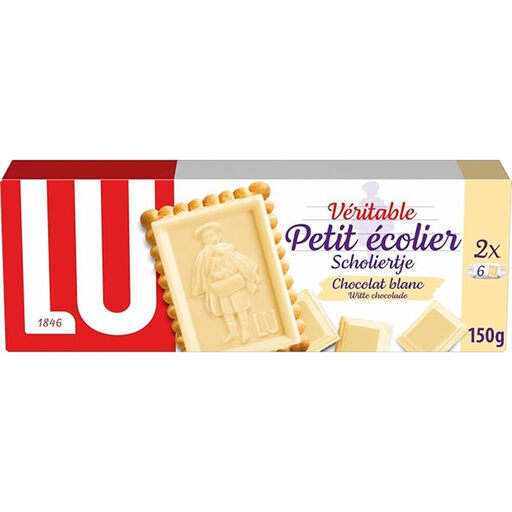 Image unavailable
A white chocolate option in biscuit form, rather than a white chocolate bar to break into pieces. The pack weighs 150 g; check its ingredients and allergens before placing it alongside the dark chocolate.
Not if you want to meet the same taste preference. According to Lindt, white chocolate contains cocoa butter but no cocoa mass, which is found in dark chocolate. If your guests have different preferences, serve both.
Keep your reserve somewhere dry and shady, away from heat, then bring out small portions. Valrhona recommends storing its chocolates between 16 and 20 °C and notes that white chocolate and recipes containing nuts are particularly sensitive.
No : the Ministry of the Economy says displaying it is voluntary. A nutrition declaration is compulsory for prepacked foods to which the rules apply, as the DGCCRF reminds shoppers. Compare the values per 100 g, and check the ingredients and allergens separately.
No, not to a solid chocolate bar : Article 1613 ter of the General Tax Code, published by Légifrance, applies to drinks and liquid preparations for drinks that meet the conditions set out in the text. Sugar content is still worth checking on the label, but this levy isn’t a factor when choosing between chocolate bars.