What should you look for?
To choose between white and dark chocolate for an occasional treat, start with the flavour you’re looking for, then check the label on each product.
| Criteria | What to check | Who is it for? |
|---|
| Flavour and sweetness |
Choose between white and dark chocolate based on your child’s tastes. If you’re not sure whether they like bitterness, consider a small pack to share. |
If your child expects something sweet and doesn’t like bitterness, choosing a flavour they’ll enjoy matters more than the intensity of the cocoa. Around 42% of consumers are said to make sweetness their main priority. |
| Cocoa and sugar |
Compare the stated cocoa percentage and sugar per 100 g for each product. Check the Nutri-Score if it appears on comparable products. |
If your child already enjoys dark chocolate, you may be looking for a more pronounced cocoa flavour while comparing the sugar content. This is said to be a priority for around 25% of consumers. |
| Ingredients and intended use |
Check the allergens and ‘may contain’ statements on the exact packaging. Distinguish between a bar for enjoying as it is and a product intended for baking. |
If you’re making a recipe or avoiding an allergen, the exact ingredients become the first consideration, ahead of the colour of the chocolate. Around 33% of consumers are said to put this check first. |
Chocolates and treats available on Joybuy
This selection includes dark chocolates with 70% cocoa, two treats combining white chocolate with a biscuit or wafer, and a white chocolate intended for baking. Consider how each product is used before comparing their labels.
 Image unavailable
Lindt EXCELLENCE dark chocolate, 70%, 35 g
A size to consider if you’re introducing dark chocolate to a child who already enjoys cocoa. The product title states 70% cocoa and 35 g. Check the sugar and allergens for this specific size rather than assuming the figures for another EXCELLENCE bar apply.
 Image unavailable
Poulain Fine dark chocolate, 70%, 100 g
If your family is looking for a 70% dark chocolate, this 100 g bar could be a good size to share. Before choosing it for a child, check the ingredients and instructions for use. Information for this product mentions maltitol and warns against excessive consumption.
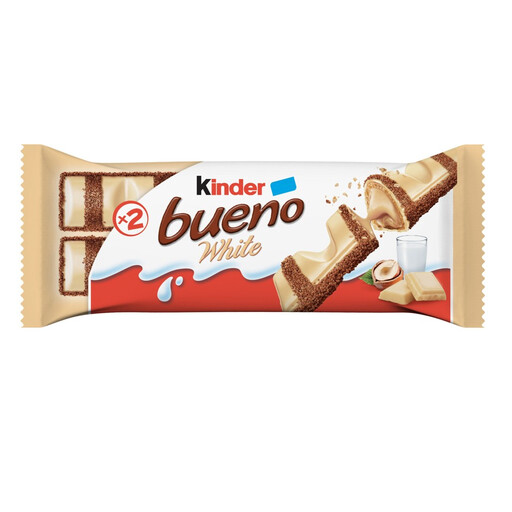 Image unavailable
Kinder Bueno White, two bars, 39 g
This pack is a good option if you’re looking for a wafer and white chocolate treat rather than a plain white chocolate bar. It contains two bars. Check the ingredients and allergens, especially if hazelnuts or wheat need to be avoided.
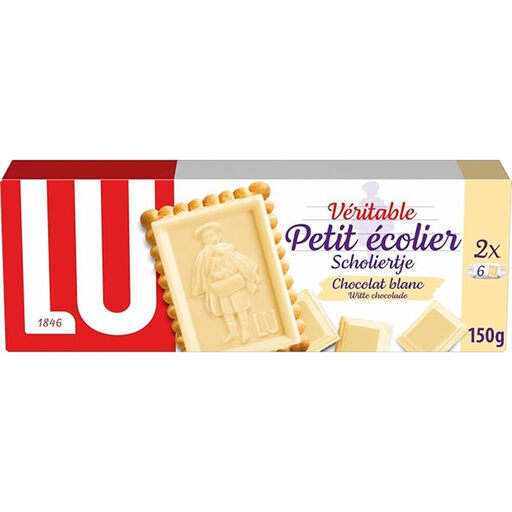 Image unavailable
Petit Écolier Choco Blanc, 150 g
Consider these if you’re looking for white chocolate biscuits rather than a bar to enjoy on its own. The pack is listed as 150 g. Check the exact packaging when choosing a portion and checking for wheat, milk or soya.
 Image unavailable
Nestlé Dessert white baking chocolate, 170 g
For a family recipe that calls for white chocolate, this baking bar is listed as 170 g. Its intended use means it isn’t the same as a treat to eat on its own. Check how much the recipe needs, as well as the ingredients and allergens on the pack.
Frequently asked questions
Does the ‘soda tax’ apply to chocolate bars in France?
No. The contribution known as the ‘soda tax’, as described by the French Ministry of the Economy, applies to sugary drinks. It isn’t a tax-related factor when choosing a chocolate bar.
Is Nutri-Score compulsory on chocolate?
No. According to Santé publique France, Nutri-Score is a voluntary logo that complements the mandatory nutrition declaration. If it’s displayed, it can help you compare like-for-like products, but it doesn’t replace checking the ingredients and allergens.
What if the child is under 3?
Manger Bouger recommends avoiding sugary foods, including chocolate, before the age of 3. So the suggestions for tasting chocolate are for older children and shouldn’t be taken as a recommendation to give it to children under 3.
How should you compare white and dark chocolate for an older child?
Start by considering which flavour they’re likely to enjoy, then compare the sugar per 100 g, ingredients and allergens in the exact products. For children aged 4–17, Manger Bouger recommends adapting portions to suit their age and limiting sugary products. A high cocoa percentage doesn’t change this advice.
Should you read ‘may contain’ statements?
Yes, especially if a child needs to avoid an allergen. Product information for Lindt, Galak, Carrefour and Auchan mentions possible traces that vary by recipe. Check the packaging of the product you choose rather than relying on the brand or the colour of the chocolate alone.


