
Livraison le jour même ou le lendemain

Qualité garantie

Débloquez vos offres de bienvenue: Livraison GRATUITE | Jusqu'à -80 % | 30 jours d'essai gratuits à JoyPlus
Téléchargez l'application
The world of white spirits is surprisingly rich, from characterful spirits for sophisticated cocktails to light drinks perfect for an aperitif. Faced with a seemingly endless selection, it's easy to get lost or fall for marketing ploys. Alluring labels can hide disappointing quality, and certain technical terms can sow confusion. Our mission: to give you clear benchmarks for making an informed choice that truly matches your taste and the occasion.
Before we break down the selection criteria, let's navigate the most common pitfalls that lead to disappointment.
To see things more clearly, focus on a few key indicators that will help you decipher any label.
ABV, expressed in degrees (°) or as a percentage (%), is more than just a number; it determines the balance and intended use of your drink.
The flavour of a white spirit comes directly from its raw material. This is what dictates the aromatic profile.
Rather than an endless list, here are our favourites, each suited to a specific need and moment.
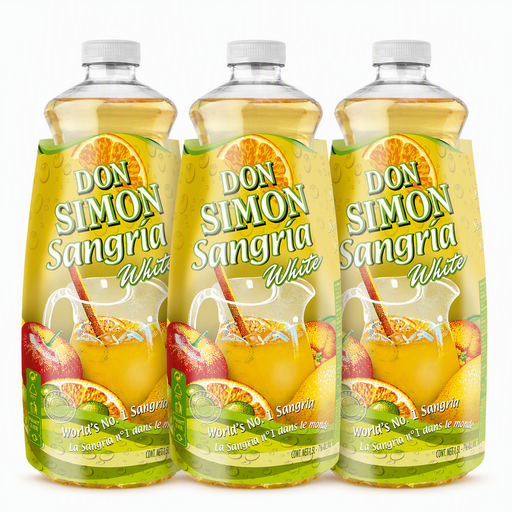
Why we chose it : The perfect solution for a hassle-free aperitif or social gathering. Ready to use, all you have to do is serve. Its generous 1.5 L size and low alcohol content (7%) make it a refreshing and easy-to-share drink.
The recipe is transparent: it's made from Spanish white wine (50%), water, sugar, and natural fruit extracts. No opaque blend; the wine base is clearly identified.
Simplicity and convenience. Serve it well-chilled with ice and a few pieces of fresh fruit for a successful aperitif in the blink of an eye.
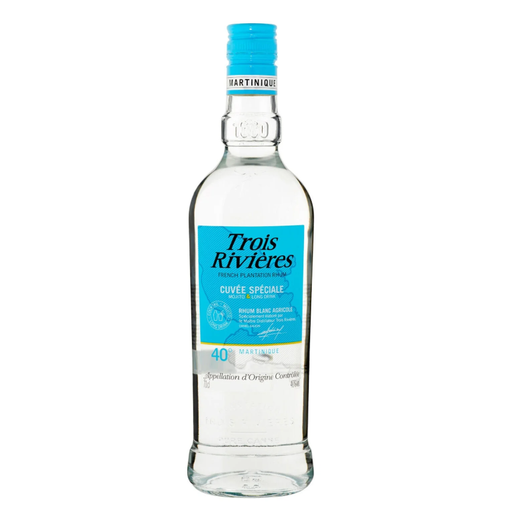
Why we chose it : For those who take mixology seriously and demand a quality base for their Mojitos, Daiquiris, or Ti-Punches. This rum is a blend designed to shine in cocktails.
This is a pure rhum agricole that benefits from the prestigious AOC Martinique designation. This appellation guarantees its origin and a strict set of production standards. There's no mistaking what you're getting.
Its aromatic profile, which combines power, freshness, and vegetal notes, brings unparalleled complexity and vibrancy to a white spirit-based cocktail.
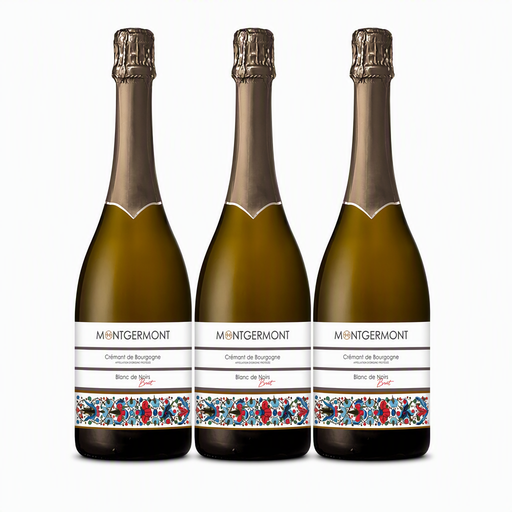
Why we chose it : The perfect alternative to champagne for celebrating an occasion or for a sophisticated aperitif. This Burgundy crémant is a reliable choice with a well-defined character.
The AOP Crémant de Bourgogne label is a true seal of quality. It certifies an origin, grape varieties (here, Pinot Noir for a Blanc de Noirs), and a traditional method, light-years away from generic sparkling wines.
Its perfect balance between fruit (raspberry), richness (almond paste), and freshness. Its fine, persistent bubbles make it an elegant and very pleasant drink on the palate.
Discover our complete selection, continuously updated with the best products that meet our quality criteria.
1. What is the difference between a white agricole rum and a traditional white rum? The key difference lies in the raw material. Rhum agricole is distilled from pure, fresh sugarcane juice, which gives it its bright, vegetal, and floral aromas. Traditional rum (or molasses rum) is produced from molasses, a by-product of sugar manufacturing. Its profile is often rounder and more pastry-like, with notes of caramel or baked banana.
2. How should I store an open bottle of white spirit? For spirits (rum, gin, whisky...) with an ABV over 35-40%, simply reseal the bottle tightly and store it upright, away from light and sudden temperature changes. They degrade very slowly. For lower-alcohol beverages like wine, crémant, or sangria, you must store them in the refrigerator after opening and consume them within 2 to 3 days to maintain their freshness.
3. Can you use a white whisky in a cocktail? Absolutely. A white whisky (or white dog) is a fantastic base for cocktails that call for a spirit with a strong, grainy character. It works wonders in variations of classics like the Old Fashioned (with a syrup and bitters) or simply topped with tonic or ginger ale for a refreshing and original long drink.
Alcohol abuse is dangerous for your health. Please drink responsibly.