Parents comparing sugar content
If you’re looking for a bar for an occasional snack, the colour of the chocolate alone won’t help you compare recipes. Check the ‘of which sugars’ figure per 100 g and take the portion you serve into account.


Swapping white chocolate for very high-cocoa dark chocolate isn’t necessarily the right choice for a snack: its intense flavour won’t suit every child. Choose according to your child’s taste, then compare the sugars and fat per 100 g, the portion you serve and the allergens in each bar.
If you’re looking for a bar for an occasional snack, the colour of the chocolate alone won’t help you compare recipes. Check the ‘of which sugars’ figure per 100 g and take the portion you serve into account.
A child who’s used to white or milk chocolate may find a very high-cocoa dark bar too intense. A bar with around 70% cocoa could be an option if they’d like to try this flavour, but there’s no guarantee they’ll enjoy it.
If certain ingredients need to be avoided, check the ingredients list and any ‘may contain’ warnings on the pack you buy. White chocolate contains milk; other allergens to look out for depend on the recipe.
When comparing white and dark chocolate for a child’s snack, start with the recipe and your child’s needs rather than looking at the cocoa percentage alone.
| Factor | What to check | Who is this for? |
|---|---|---|
| Sugars and nutritional values | Compare the sugars and fat per 100 g, then consider the portion you plan to serve. | If my first priority is comparing the sugar content of a snack, I check the nutritional information rather than relying on the colour of the bar. Around 45% of consumers would put this factor first. |
| Cocoa flavour | Check the cocoa percentage and distinguish between a recipe with around 70% cocoa and one with 85%. | If a child is trying dark chocolate for the first time, I want to avoid a flavour that’s too intense for them to enjoy. Around 33% of consumers would put taste first. |
| Allergens | Read the ingredients and any ‘may contain’ warnings on the pack of the product you choose. | If an ingredient needs to be avoided at home, I need to know exactly what’s in the bar before serving it. Around 22% of consumers would put checking for allergens first. |
According to Lindt France’s product information, Excellence Noir 85% contains 15 g of sugars per 100 g, compared with 30 g for Excellence Noir 70%. However, Lindt describes the 85% bar as intense: its sugar content doesn’t tell you whether your child will enjoy the flavour.
If your child is trying dark chocolate for the first time, start with an intensity they may enjoy, then compare the nutritional values of the bar you choose.
The French Ministry of the Economy defines white chocolate as being made from cocoa butter, milk and sugars. It isn’t simply a dark chocolate bar with a milder flavour.
Compare the ingredients and nutritional values per 100 g for each product, rather than making assumptions about all bars based on a single recipe.
The DGCCRF says that pre-packed food must carry a nutrition declaration, while the French Ministry of the Economy explains that displaying Nutri-Score is optional. The so-called ‘soda tax’, as described by Légifrance for drinks and liquid drink preparations, doesn’t apply to chocolate bars.
When choosing between two bars, read their nutritional information, ingredients and allergen details, whether or not they display the Nutri-Score logo.
Allergens in the recipe and any ‘may contain’ warnings vary from bar to bar. The words ‘dark chocolate’ alone don’t rule out milk, nuts or other allergens.
If your child has an allergy, read the ingredients and any ‘may contain’ warnings on the pack you buy, and follow the medical advice specific to your child.
The Excellence range includes dark chocolate bars with 70% and 85% cocoa.
Nestlé Dessert Blanc is a white chocolate bar intended for uses including baking.
Carrefour Bio offers white and 70% dark chocolate bars, with labels that let you compare products individually.
Auchan Dessert Blanc is a white chocolate bar presented for cooking and eating.
E.Leclerc DRIVE stocks dark, white and milk chocolate bars in its chocolate range.
These products offer options for snack time, including dark chocolate with 70% or 85% cocoa and a white chocolate option with hazelnuts. Check that each product suits your child’s taste and allergy requirements.
 Image unavailable
An option if you’re considering a first dark chocolate bar without going straight for an 85% recipe. This 35 g bar contains 70% cocoa. Decide how much to serve and check the nutritional values and allergen information on the packaging.
 Image unavailable
Another 70% cocoa bar to compare, depending on the recipe and flavour you’re looking for. The product information lists maltitol and a warning about excessive consumption. Check these details on the packaging before offering it to a child.
 Image unavailable
Worth considering if your child already enjoys a pronounced cocoa flavour. According to Lindt France, this 85% bar contains 15 g of sugars per 100 g; the brand also describes it as intense. Compare the portion size and other nutritional values before choosing.
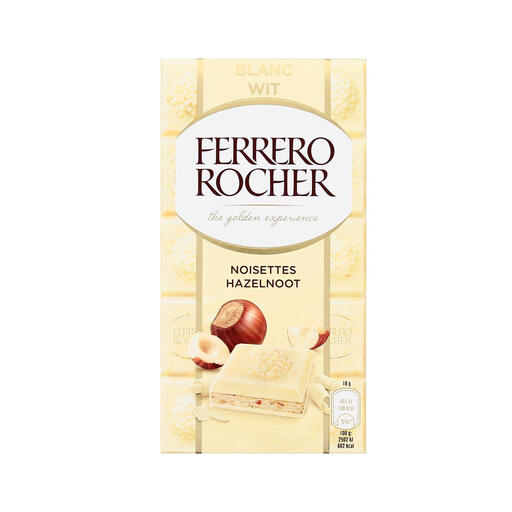 Image unavailable
A 90 g white chocolate option to compare with dark chocolate bars made using different recipes. The product information lists milk, hazelnuts and soya. Check the packaging if any of these allergens need to be avoided, and check the nutritional values and serving size too.
No. The French Ministry of the Economy explains that displaying Nutri-Score is optional. The DGCCRF says that pre-packed food must carry a nutrition declaration. Check the sugars and fat per 100 g in particular, even if the logo isn’t displayed.
No. The provisions published by Légifrance apply to drinks and liquid drink preparations, not chocolate bars. However, it’s still worth comparing their sugar content using the nutrition declaration.
White chocolate is a distinct category. According to the French Ministry of the Economy, it’s made from cocoa butter, milk and sugars. When choosing a dark chocolate bar, check its cocoa percentage and ingredients rather than assuming the two categories differ only in flavour intensity.
No. Lindt France states that Excellence Noir 85% contains 15 g of sugars per 100 g, compared with 30 g in its 70% bar, but describes the 85% bar as intense. Your choice also depends on your child’s taste, the portion you serve and the allergens in the specific bar.