Fans of intense cocoa
If you’re looking for a pronounced cocoa flavour, check the stated cocoa content on dark chocolate bars. For example, a Lindt Excellence mini bar has at least 70% cocoa; check its sugar content and allergen information too.


For a tasting where you want a pronounced cocoa flavour, choose a dark chocolate bar with a clearly stated cocoa content, such as 70%. If you’d also like to offer a smooth, milky flavour, include a separate white chocolate option: dark chocolate is no substitute. When putting together your selection, check the allergens, sugars per 100 g, sizes and storage instructions for each bar.
If you’re looking for a pronounced cocoa flavour, check the stated cocoa content on dark chocolate bars. For example, a Lindt Excellence mini bar has at least 70% cocoa; check its sugar content and allergen information too.
For a smooth, milky tasting experience or a recipe, keep a white chocolate bar in your selection. Lindt and Nestlé product information describes recipes containing milk; check the packaging of your chosen product for other ingredients and possible traces.
If you need to cater for different tastes at the same stall, keep white, dark and nut-containing bars separate. The weight of each bar and its allergen information are also important when organising how to hand them out.
For a festival, start with the flavours you want to offer, then check the ingredients of each bar and the conditions in which it will be served.
| Criteria | What to check | Who is it for? |
|---|---|---|
| Pronounced cocoa flavour | The cocoa content shown on the dark chocolate, followed by the sugars per 100 g. | I’m looking for a tasting experience where the cocoa stands out, rather than a milky flavour. Around 36% of consumers put this cocoa flavour first. |
| Choosing white chocolate | The product description, its ingredients and sugars per 100 g. | If I want to offer a smooth option, I don’t want to replace it with a more intense dark chocolate bar. Keeping white chocolate in the selection is the priority for around 29% of consumers. |
| Allergens and inclusions | Highlighted ingredients and possible trace warnings, particularly for recipes containing nuts. | When several people are sharing the selection, I need to be able to show them the label for each bar. Around 21% of consumers put this check ahead of other criteria. |
| Size and storage | The net weight, date shown and storage instructions on the packaging. | If the tasting runs throughout the event, I need a size that’s easy to hand out and a suitable place to store it. Around 14% of consumers prioritise this practical planning above all else. |
A dark chocolate bar labelled 70% cocoa and a white chocolate bar appeal to different tastes. The cocoa content of dark chocolate doesn’t tell you what white chocolate will taste like.
List the two options separately if you want to offer both flavour profiles for tasting.
According to Santé publique France, displaying the Nutri-Score is voluntary. If it’s not shown on a bar, you should still read its nutritional information.
To compare recipes, check the sugars and saturated fat per 100 g in the nutrition declaration.
A recipe containing hazelnuts includes that ingredient, but other allergens or possible traces may also be listed on the packaging. Dark chocolate isn’t automatically free from milk or nuts.
Keep the packaging for each bar to hand and check the label on the batch you’ve bought before offering it to anyone with an allergy or intolerance.
Heat and humidity can affect their appearance and texture during the event. Storage instructions vary from product to product.
Plan to store them away from heat, following the instructions on each pack, and take the bars out as needed.
The range mentioned includes an EXCELLENCE Blanc Extra Velouté white chocolate bar and an Excellence dark chocolate mini bar with at least 70% cocoa: two distinct products for offering a variety of flavours.
GALAK and Nestlé Dessert Blanc are two white chocolate products intended for different uses, with the latter described as suitable for baking.
The Carrefour Bio bar mentioned is a dark chocolate option labelled 70% cocoa, in a 200 g size.
The white chocolate product mentioned comes as two 100 g bars, a pack size to consider if you want to open the bars separately.
The white chocolate bar with whole hazelnuts mentioned weighs 200 g and has a nutty texture, making it different from white chocolate without nuts.
These Joybuy products let you put together a tasting selection featuring dark chocolate labelled 70% cocoa and white chocolate, including some bars with added ingredients. Choose the sizes and recipes to suit the people you’re serving and the storage conditions on site.
 Image unavailable
A dark chocolate bar to consider if you want to offer an option labelled 70% cocoa at your tasting. It weighs 100 g; check the ingredients, allergens and storage instructions on the packaging before serving.
 Image unavailable
The 35 g size is ideal for a selection of mini bars rather than a larger bar to break into pieces. This product is labelled at least 70% cocoa; its Joybuy product information warns of possible traces of nuts, milk and soya.
 Image unavailable
This white chocolate bar for baking could also be part of a selection where you want to keep an option distinct from intense dark chocolate. It weighs 170 g; Joybuy’s product information lists milk and warns of possible traces of eggs, cereals containing gluten and nuts.
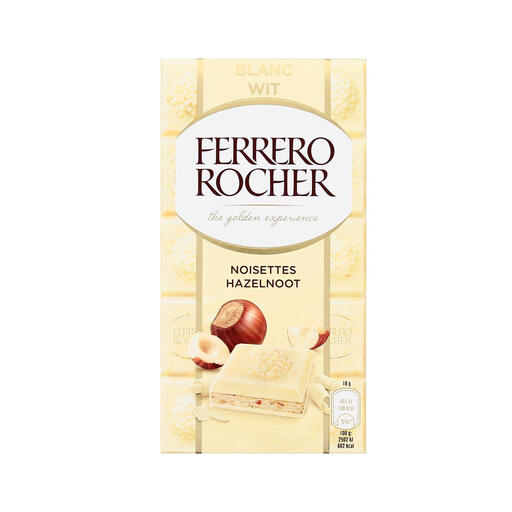 Image unavailable
This 90 g bar adds another white chocolate recipe to a tasting selection with several bars. Bear in mind that this product contains hazelnuts, milk and soya, and may contain traces of other nuts; check the packaging before sharing.
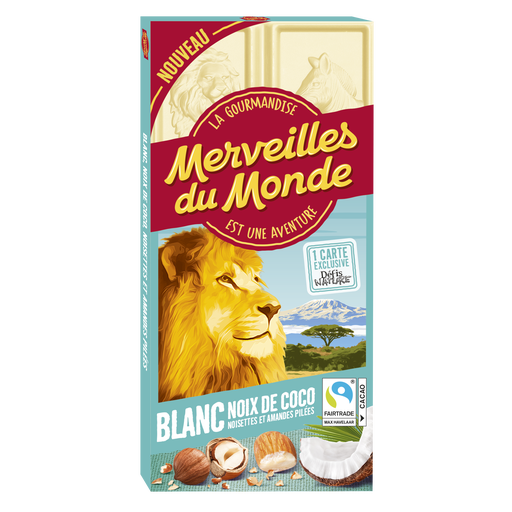 Image unavailable
This 100 g bar gives you a white chocolate option with almonds, hazelnuts and coconut. The added ingredients are important when choosing for anyone with a nut allergy; check the label and storage instructions before serving.
No. Santé publique France states that displaying it is voluntary. The European Commission says that nutrition declarations are required for the vast majority of prepacked foods. When choosing a chocolate bar, read its nutritional information even if a Nutri-Score is displayed.
No: the levy described by the French Ministry of the Economy applies to sugary drinks, not chocolate bars. To compare chocolate bars, check the sugars per 100 g shown in their nutritional information instead.
Not if you want to keep a smooth, milky white chocolate option: a 70% dark chocolate bar suits a different taste. Offer both separately if both flavours matter for the tasting.
Read the product description, ingredients, allergens and any trace warnings, then check the weight, date and storage conditions for each product. Keep the packaging available so that people can check the information for the bar being offered.