Fans of intensely flavoured dark chocolate
You want a pronounced cocoa flavour at breakfast. A dark chocolate bar displaying its cocoa percentage, such as 70%, makes it easier to find the flavour profile you’re after before comparing recipes.


If you’re looking for a pronounced cocoa flavour at breakfast, choose a dark chocolate bar that states its cocoa percentage, then compare the sugar content and ingredients of each bar. If you prefer the milky sweetness of white chocolate, choose it for its distinctive flavour: it’s not a substitute for an intensely flavoured dark chocolate.
You want a pronounced cocoa flavour at breakfast. A dark chocolate bar displaying its cocoa percentage, such as 70%, makes it easier to find the flavour profile you’re after before comparing recipes.
You want to compare the ‘of which sugars’ figure per 100 g. If a recipe contains sweeteners, its ingredients list and any warnings also matter when making your choice.
You’re looking for white chocolate rather than the intensity of a dark chocolate bar. Check its ingredients carefully, particularly whether it contains milk or dairy products, if you avoid certain ingredients.
To choose between white and intensely flavoured dark chocolate, start with the taste you’re looking for, then check the sugars per 100 g, the ingredients and the allergens for the product you’ve chosen.
| Criteria | What to check | Who it’s for |
|---|---|---|
| Cocoa intensity | The ‘dark chocolate’ description and the cocoa percentage stated on the bar. | For a pronounced cocoa flavour with breakfast, I look for a dark chocolate bar rather than a white one; around 45% of consumers put this intensity first. |
| Sugars and sweeteners | The ‘of which sugars’ figure per 100 g, followed by the ingredients list and any warnings. | If I want to compare the sugars in two recipes, the cocoa percentage alone isn’t enough; reducing sugar is a priority for around 33% of consumers. |
| White chocolate’s sweetness | The ingredients list, allergen information and nutritional information on the bar. | I prefer the milky flavour of white chocolate, even though it doesn’t meet my need for intensely flavoured dark chocolate; around 22% of consumers favour this sweetness. |
White chocolate and intensely flavoured dark chocolate have very different flavour profiles. In France, the definition of white chocolate is based on cocoa butter, milk or dairy products, and sugars, according to Légifrance.
If cocoa intensity is your priority, look for a bar labelled ‘dark chocolate’ and check its cocoa percentage.
The charge described by the French Ministry of the Economy as the ‘soda tax’ applies to sugary drinks, not chocolate bars. It won’t help you choose between two chocolate recipes.
Instead, compare their ‘of which sugars’ figures on the same basis, per 100 g.
Santé publique France states that displaying Nutri-Score is voluntary. The European Commission, meanwhile, says that nutritional declarations are required for the vast majority of pre-packed foods.
If the logo appears on a chocolate bar, check its nutritional values, ingredients list and allergen information too.
Auchan’s product information for a low-sugar 70% dark chocolate bar includes a warning about possible laxative effects if consumed in excess.
Before choosing this type of recipe, check which sweeteners it contains and read any warnings for the specific bar.
The EXCELLENCE range includes several dark chocolate bars with different cocoa percentages, including 70%, 78%, 85%, 90% and 99%, according to Lindt France.
Les Recettes de l’Atelier includes dark chocolate products, while Nestlé Dessert Blanc is intended for a different purpose: baking rather than enjoying an intensely flavoured dark chocolate.
Auchan offers a dark Bio chocolate bar with at least 70% cocoa and another 70% dark chocolate bar that’s low in sugar.
Carrefour Bio offers 70% dark chocolate and white chocolate products. Check the exact product description to choose the flavour profile you want.
This selection includes dark chocolate bars with 70% or 85% cocoa, a white chocolate block and a white chocolate product for baking. For breakfast, the main thing is to distinguish products presented as bars to enjoy from the one intended for cooking.
 Image unavailable
Worth considering if you’re looking for a dark chocolate bar displaying 70% cocoa and keeping an eye on sugars. Check the nutritional information on the packaging, along with any sweeteners and related warnings.
 Image unavailable
Consider this if your main priority is a dark chocolate bar displaying 85% cocoa. This figure alone doesn’t tell you how much sugar it contains, so compare the amount per 100 g and the allergens listed on the packaging.
 Image unavailable
Worth comparing if you’re looking for 70% dark chocolate in a 35 g mini format. The pack size doesn’t define a recommended portion, so check the sugars per 100 g and allergen information too.
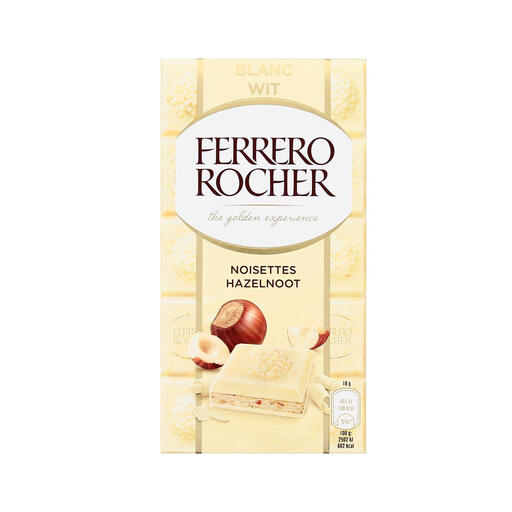 Image unavailable
Consider this if you prefer a white chocolate flavour to intensely flavoured dark chocolate. Compare the sugars per 100 g and read the ingredients and allergen information carefully, particularly if you have a nut allergy.
 Image unavailable
Consider this if your weekend breakfast includes something baked with white chocolate. This product is presented for baking rather than as a bar to enjoy, so check its ingredients, allergens and sugars per 100 g.
No. The charge described by the French Ministry of the Economy as the ‘soda tax’ applies to sugary drinks, not chocolate bars. To compare two bars, check their sugars per 100 g instead.
No. Santé publique France says that producers display Nutri-Score voluntarily. The European Commission states that nutritional declarations are required for the vast majority of pre-packed foods; the ‘of which sugars’ figure makes it easier to compare recipes.
Not if you’re mainly looking for the flavour of a bar with a high cocoa content. According to the French definition published by Légifrance, white chocolate is made from cocoa butter, milk or dairy products, and sugars. Choose it instead if you prefer this milky flavour.
Compare the ‘of which sugars’ figure per 100 g, then read the ingredients and warnings for each product. Auchan’s product information for a low-sugar 70% dark chocolate bar includes a warning about possible laxative effects if consumed in excess.
Check the ingredients list and any ‘may contain’ statements on each bar, including products from the same brand. Carrefour’s product information for a Carrefour Bio white chocolate bar lists whole milk powder; don’t assume another product has the same ingredients based on this example alone.