
Livraison le jour même ou le lendemain

Qualité garantie

Débloquez vos offres de bienvenue: Livraison GRATUITE | Jusqu'à -80 % | 30 jours d'essai gratuits à JoyPlus
Téléchargez l'application
Dreaming of making golden arepas, soft tortillas, or creamy polenta, but feeling lost in the confusing world of white corn flour? Between precooked flour, masa harina, and various grinds, it's easy to get overwhelmed.
As product experts at Joybuy, our mission is to bring you clarity. This guide breaks down the different types of white corn flour and helps you choose the one that will elevate your recipe—all without the unnecessary jargon.
The right flour is crucial for the success of your dishes. Here are three key points to check to make the best choice.
The first distinction to understand is between precooked and raw corn flour.
If your goal is to make authentic Mexican tortillas, masa harina is essential. This flour is made using an ancient process: nixtamalization. The corn kernels are soaked and then cooked in an alkaline solution (usually slaked lime). This traditional treatment unlocks the corn's nutrients, enhances its flavour, and gives the dough the elasticity needed to form soft tortillas that don't tear.
The fineness of the grind directly impacts the final texture of your dish.
All these flours are a naturally gluten-free corn flour option, making them an excellent choice for specific dietary needs. For those with celiac disease, always check the label to rule out any risk of cross-contamination.
Here are our favourite products, selected for their quality and versatility.
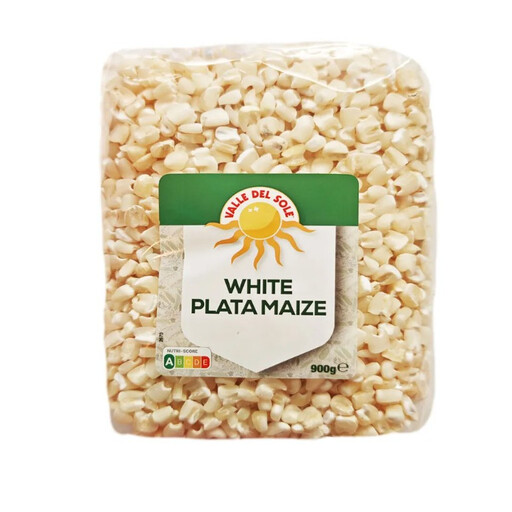
Why it stands out: The great strength of this pure corn flour is its versatility. Its fine, consistent texture makes it a reliable base for a multitude of recipes, from the creamiest polenta to the fluffiest cornbread. An excellent staple to unleash your culinary creativity.
Pros:
Who it's for: For those looking for a versatile and reliable everyday corn flour, whether for polenta, soups, or gluten-free baking.
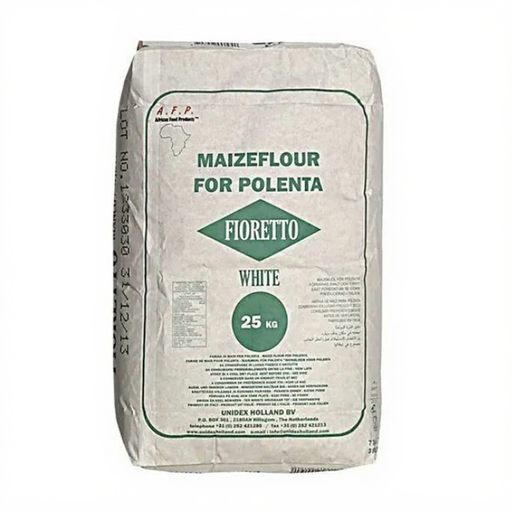
Why it stands out: This is a true masa harina, made from nixtamalized organic white corn. This ancient process gives it that unique flavour and texture, essential for making successful homemade tortillas and tamales. Its generous size is a real bonus for Latin American cuisine enthusiasts.
Pros:
Who it's for: For lovers of Mexican and Central American cuisine who want to capture that authentic taste in their tortillas, tamales, or empanadas.
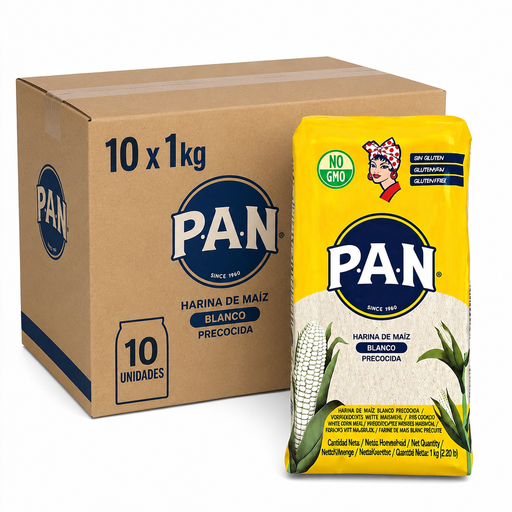
Why it stands out: It needs no introduction: Harina P.A.N. is THE global standard for arepas. This precooked corn flour guarantees a flawless result every time. Just add water and salt to get a perfect dough in minutes, ready to be shaped and cooked.
Pros:
Who it's for: For everyone, from beginners to experts, who wants to make authentic Venezuelan or Colombian arepas with confidence.
Does your recipe require a specific grind? Are you simply curious to discover other varieties? Our selection doesn't stop here. Explore our full range to find the flour that will meet all your needs.
Discover Our Entire White Corn Category
Corn flour is made by grinding the whole (or nearly whole) corn kernel, which gives it a granular texture and a yellow or white colour. It contains protein, fibre, and starch. Cornstarch (like Ma?zena) is a pure starch extracted from the corn kernel; it's a very fine, white powder used primarily as a binding or thickening agent.
Since corn is a naturally gluten-free grain, 100% corn flour is also gluten-free. However, cross-contamination can occur during harvesting or factory packaging through contact with other grains. For individuals on a strict gluten-free diet (due to celiac disease), it is crucial to choose products certified as "gluten-free".
Yes, but not on its own. Since it contains no gluten, corn flour cannot create the elastic network that makes bread rise. To get a light, airy loaf, you must combine it with a bread flour (like wheat flour). Alternatively, it can be used in recipes for cornbread, which has a texture more like a dense and slightly crumbly cake.