What should you check before choosing?
First, tell the difference between a chocolate bite, a coated wafer bar and a chocolate-coated biscuit. For each option, check the serving size and your guests’ needs separately.
White chocolate bites
Worth considering: if you want to serve chocolate bites rather than a biscuit product; Lindt France describes its Lindor white chocolate balls as having a melting centre.
Keep in mind: a texture described as melting doesn’t mean the product is suitable for someone with an individual swallowing difficulty, and a large bag doesn’t determine how much to serve.
Coated wafer bars
Worth considering: if you want bars that can be separated and a crunchy texture suits your guests; Carrefour France describes KitKat White as a wafer with a white coating.
Keep in mind: this isn’t a plain white chocolate bite; check the ingredients and allergens as you would for any other sweet treat.
Mini chocolate-coated biscuits
Worth considering: if you’re specifically looking for a biscuit to serve with tea; Milka Mini Stars White combine a filled biscuit with a white chocolate coating.
Keep in mind: the word ‘mini’ doesn’t tell you how many will ultimately be served or what allergens the recipe contains.
| Criteria |
What to check |
Who is it for? |
| Portions and serving |
Number of pieces, weight per piece where stated, and the amount planned for each plate. |
When I’m preparing several plates, I want to be able to serve a set number of pieces without relying on the size of the bag. Around 29% of consumers would put portion control first. |
| Ingredients and allergens |
Product name, ingredients list, declared allergens and ‘may contain’ warnings. |
If I need to avoid an ingredient for one of my guests, I need to be able to tell the difference between a chocolate bite and a biscuit or wafer. Checking the ingredients and allergens would be a priority for around 29% of consumers. |
| Texture |
Whether it contains a shell, wafer, biscuit or inclusions, and any individual guidance where applicable. |
If someone prefers a particular texture, I check what they’ll actually need to chew before planning what to serve. Around 24% of consumers would prioritise this criterion. |
| Nutritional information |
Sugars, energy and fat, including saturated fat, per 100 g; values per portion if shown on the packaging. |
When comparing recipes, I want to relate the nutritional information to the amount I plan to serve, rather than relying on the word ‘mini’. Around 18% of consumers would put this comparison first. |
Formats available on Joybuy
These products show different ways to serve small pieces as a treat: wafer bars, white chocolate cubes, biscuits, biscuit sticks and crunchy cones. Their shape doesn’t remove the need to check how much you’re serving and read the pack label.
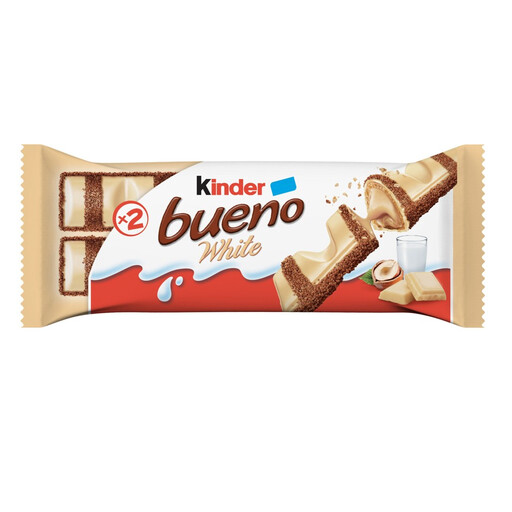 Image unavailable
Kinder Bueno White Bipack 39 g
This bipack may suit you if you want to serve bars that can be separated rather than plain white chocolate bites. It combines a wafer with a white coating. Check the allergens on the pack and consider its crunchy texture before serving.
View on Joybuy
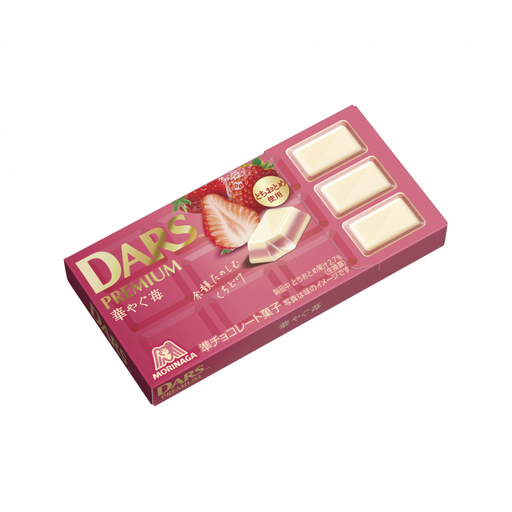 Image unavailable
Morinaga Dars Premium White Chocolate Strawberry 46,8 g
The small cubes may be a good option if you want to count out individual pieces and serve strawberry-flavoured white chocolate. To work out an exact portion, check the number of cubes and their weight on the pack. Also read the ingredients, allergens and nutritional information before serving.
View on Joybuy
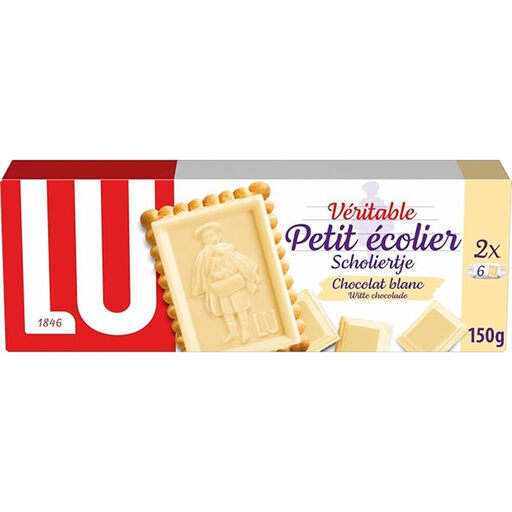 Image unavailable
PETIT ECOLIER Choco Blanc 150 g
Choose these if you’re looking for a biscuit with a layer of white chocolate, rather than a piece of chocolate on its own. They have a crunchy texture. Count the biscuits to prepare portions, and check the packaging for information about wheat, milk and soya in particular.
View on Joybuy
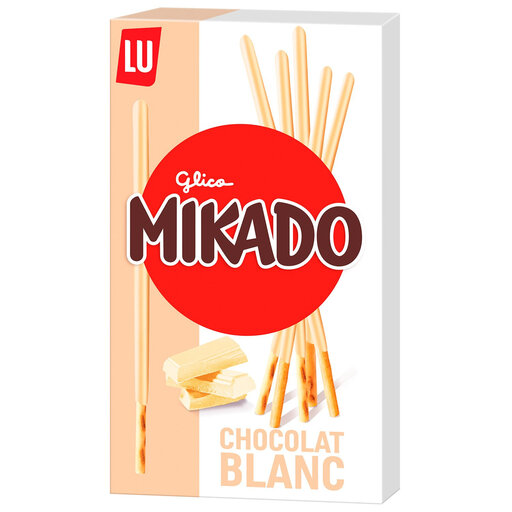 Image unavailable
MIKADO White Chocolate 70 g
These coated biscuit sticks can be served individually if a crunchy texture suits your guests. Check how many sticks are in the pack before deciding on portions, then read the label for wheat, milk, soya and any possible traces of nuts.
View on Joybuy
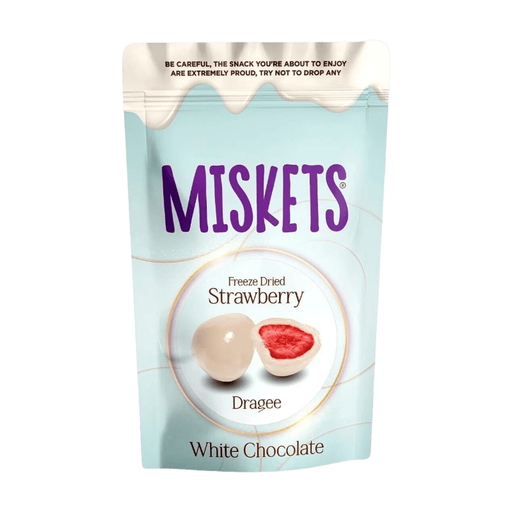 Image unavailable
TR Miskets Cornet White Chocolate
This crunchy cone with a white coating and strawberry flavour is another option besides plain white chocolate bites. The stated weight varies between the information associated with this product, so check the pack weight and the number of cones before planning portions. Also check the label for allergens.
View on Joybuy
Frequently asked questions
Does the tax on sugary drinks apply to solid white chocolate?
The contribution referred to by the French Ministry of the Economy applies to non-alcoholic drinks, not solid white chocolate as such. When choosing white chocolate, check its ingredients and nutritional information instead, rather than treating this tax as a general levy on sugary foods.
Does white chocolate sold in France have to display Nutri-Score?
No. Santé publique France describes Nutri-Score as a voluntary label, so its absence isn’t enough to conclude that a product is non-compliant. Compare the nutritional information on the packaging with the amount you plan to serve.
Is a bite described as ‘melting’ suitable for everyone who is older?
No. ‘Melting’ describes a characteristic of the product, not whether it suits everyone’s chewing or swallowing abilities. If someone has a known requirement, follow their individual guidance before serving them a bite.
Why check the allergens in a mini-format product?
Because a small piece could be a chocolate bite, a biscuit or a wafer, and each may have different ingredients. Depending on the products listed, Lindt France and Carrefour France mention milk, soya or wheat, as well as various warnings about the possible presence of other allergens. Check the label on the pack you’re actually serving.


