Hosts looking for a chocolatey contrast
If your guests enjoy dark chocolate, a recipe that genuinely combines dark and white chocolate is a better match than a pure white chocolate bar. Check whether the recipe contains cocoa mass.


For a buffet-style drinks party, choose plain white chocolate for a mild flavour, or a recipe with hazelnuts or biscuits if texture matters more when sharing. If some guests are expecting a dark chocolate flavour, look for a recipe that specifically combines dark and white chocolate: pure white chocolate won’t give you that contrast. Then check the ingredients, allergens and nutritional information for each product.
If your guests enjoy dark chocolate, a recipe that genuinely combines dark and white chocolate is a better match than a pure white chocolate bar. Check whether the recipe contains cocoa mass.
A hazelnut bar or chocolate-coated biscuits add a different texture to the serving platter. Their ingredients also need particular attention if any guests have to avoid certain allergens.
To compare recipes, look in particular at sugars and saturates per 100 g, as well as allergens. Santé publique France explains that displaying the Nutri-Score is voluntary, so its absence needn’t stop you comparing the nutritional information.
First decide whether you’re looking for a dark chocolate flavour, a texture that’s good for sharing, or a recipe suitable for your guests. Then compare the labels of the products you’re considering.
| What to consider | What to check | Who is it for? |
|---|---|---|
| Chocolatey contrast | Whether it contains dark chocolate or cocoa mass, and what the stated percentage applies to across the whole product. | If guests want the taste of dark chocolate, I look for a recipe that clearly says it contains dark chocolate, rather than a pure white chocolate bar. Around 31% of consumers prioritise this contrast. |
| Texture and sharing | The type of inclusions, such as hazelnuts or biscuits, and the format you’ll be serving. | When putting together a platter of assorted bites, I prioritise crunch over the mild sweetness of a plain bar. This texture is the main requirement for around 31% of consumers. |
| Nutritional information | Sugars and saturates per 100 g; the Nutri-Score, if it appears on the packaging. | Before choosing between different recipes, I want to be able to compare their nutritional information on the same basis. Around 23% of consumers prioritise this comparison. |
| Allergens | Allergens in the ingredients and any ‘may contain’ statements, for each product. | If a guest needs to avoid an ingredient, I check the ingredients before putting a bite on the platter. For around 15% of consumers, suitability for their guests comes before all other criteria. |
Pure white chocolate is made with cocoa butter and doesn’t contain the cocoa mass that gives dark chocolate its characteristic flavour. So a cocoa percentage shown on a white chocolate bar doesn’t mean it will taste like dark chocolate.
If a chocolatey contrast is important, choose a recipe that mentions both types of chocolate and check what its cocoa percentage applies to. The Lindt EXCELLENCE Noir 70 % & Blanc bar is a blend: the ‘Noir 70 %’ wording doesn’t refer to the cocoa content of the whole bar.
According to Santé publique France, manufacturers display the Nutri-Score on a voluntary basis. So the logo may not appear on a bar you want to compare.
Check sugars and saturates per 100 g in the nutritional information, then take the serving size into account. Use the Nutri-Score as extra information when it’s available.
Depending on the recipe, hazelnuts, biscuits or wafers may contain tree nuts, wheat, milk or soya. A plain bar and a textured version aren’t interchangeable for a guest who needs to avoid these ingredients.
Check each pack, keep it to hand and identify the products served on the platter. Only plan a separate option once you’ve checked its ingredients.
A ‘organic’ label, a baking use or the addition of hazelnuts doesn’t, on its own, tell you how much sugar a product contains.
Compare the ‘of which sugars’ figure per 100 g on the specific recipes you’re considering. Don’t confuse ‘sugars’ with ‘added sugars’ – they aren’t the same thing.
The EXCELLENCE range includes a plain white chocolate bar and a recipe combining dark and white chocolate: two distinct options for your platter.
Galak is a classic white chocolate bar; Nestlé Dessert Blanc is another product, marketed for baking.
Oreo and Choco Wafer combine white chocolate with a biscuit or wafer texture, making them suitable for a casual spread.
Carrefour offers, among other options, a 200 g Original white chocolate bar and a 175 g organic recipe. Both are worth considering, depending on how many portions you need.
Auchan’s white chocolate bar with whole hazelnuts is a textured option, unlike a plain white chocolate bar.
The TABLETTE D’OR white chocolate bar with hazelnuts is another recipe with added pieces to consider for your platter.
These Joybuy products are mainly biscuits, bites and bars with added pieces, for putting together a platter with plenty of texture. If you specifically want dark chocolate combined with white, check the ingredients of the product you choose separately.
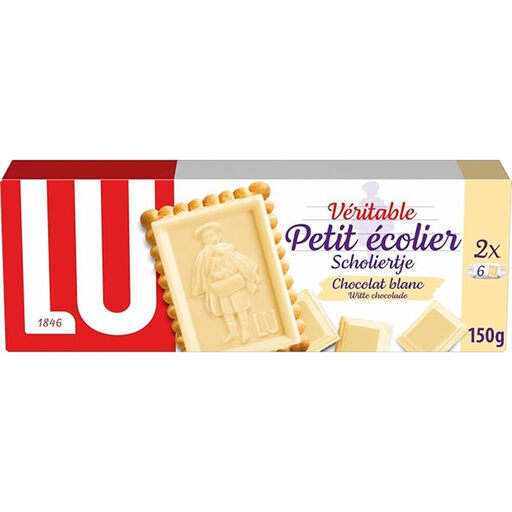 Image unavailable
White chocolate biscuits to consider if you’d rather serve individual bites than break up a bar. The pack weighs 150 g. Before offering them to guests with allergies, check the ingredients and any ‘may contain’ statements on the packaging.
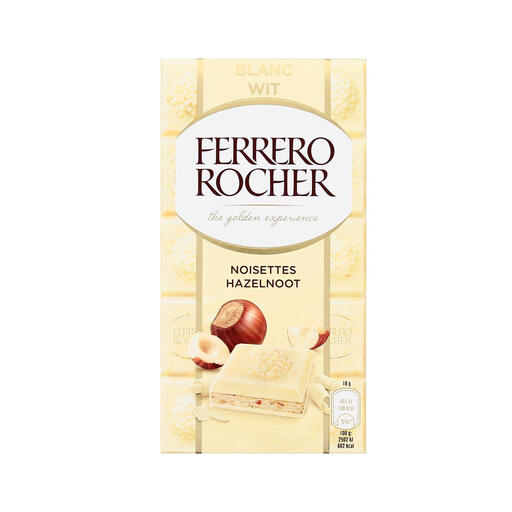 Image unavailable
This 90 g block is a good option if you’re looking for a confectionery treat to share. If hazelnuts are a deciding factor or an allergen to avoid, check whether they’re included and read any other statements on the packaging before serving.
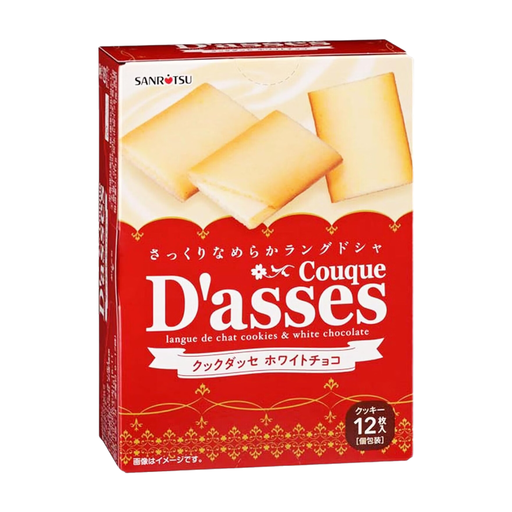 Image unavailable
These biscuits are worth considering if you want to serve individual pieces on the platter. If you specifically want a white chocolate coating, check how it’s described and listed in the ingredients: the product name alone isn’t enough to confirm this.
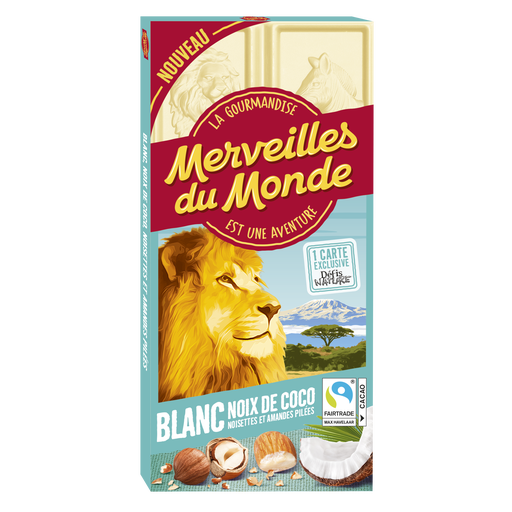 Image unavailable
This 100 g bar contains several additions, making it a good choice for a platter where texture matters. Almonds and hazelnuts are mentioned in the name, so check the full ingredients and any ‘may contain’ statements if a guest needs to avoid tree nuts.
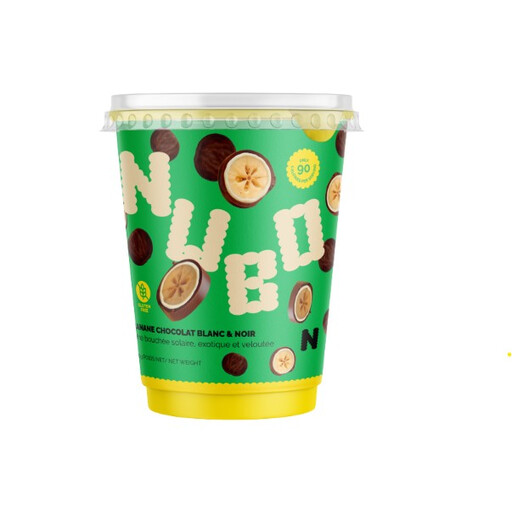 Image unavailable
These banana bites come in a 160 g pack and offer an alternative to a bar you can break into pieces. The name mentions ‘Dark’, but the description refers to milk chocolate. Don’t choose them for a dark-and-white contrast without checking the ingredients list.
No. Santé publique France says that displaying the Nutri-Score is voluntary. For pre-packed food, the DGCCRF identifies the ingredients list and nutrition declaration as some of the labelling information to check. Compare the figures per 100 g even if the logo isn’t shown.
No. Article 1613 ter of the French General Tax Code, published by Légifrance, applies to drinks and liquid preparations for drinks, not to a white chocolate bar. To compare bars, check their sugar content in the nutritional information.
Check each recipe separately: some of the products mentioned contain milk, soya, hazelnuts or wheat, and there may also be ‘may contain’ statements. The DGCCRF says allergens must be highlighted in the ingredients list of pre-packed foods. Keep the packaging so guests can check the information for the bites being served.
Follow the instructions on each pack. Product information for Galak and Milka Oreo products checked with Auchan recommends storing them in a cool, dry place away from heat and moisture. If the room is warm, wait until serving time before putting the products on the platter.