People baking the cakes
If the chocolate needs to be melted, mixed into a batter or used for decoration, look for baking bars, chocolate chips or buttons rather than filled chocolates that are ready to eat.


For baking, choose white chocolate made for cooking, in a bar, chips or buttons, depending on your recipe. A large bag of filled chocolates is better suited to serving as it is. Before the sale, check the allergens for each product, how much you’ll need and any storage instructions.
If the chocolate needs to be melted, mixed into a batter or used for decoration, look for baking bars, chocolate chips or buttons rather than filled chocolates that are ready to eat.
If you want to offer a sweet treat without any extra preparation, a sharing pack of chocolates meets a different need from chocolate intended for recipes.
Before offering the cakes to children, keep the ingredient packaging to hand so you can check allergens, possible traces and storage instructions.
| Criteria | What to check | Who is this important for? |
|---|---|---|
| Use in baking | Choose a baking bar, chocolate chips or buttons, depending on how the chocolate will be used in your recipe. | If I’m baking the cakes, I need chocolate to melt or mix into a recipe, not chocolates to serve as they are. Around 36% of consumers put this culinary use first. |
| Allergens | Read the ingredients, highlighted allergens and ‘may contain’ statements. Keep the packaging so you can give buyers the information they need. | Before serving a cake, I want to be able to tell anyone concerned exactly what it contains. Around 29% of consumers put allergen management first. |
| Quantity | Work out how much chocolate you’ll need for your planned recipes, then compare the net weight of suitable formats. | If I’m planning several batches, I need to buy an amount that suits the recipes without mistaking a large bag of chocolates for a baking ingredient. This is the main consideration for around 21% of consumers. |
| Serving | Check that the product is ready to serve, and follow its transport and storage instructions. | If I’m running the stall rather than baking, I’m mainly looking for treats to hand out as they are. This convenience comes first for around 14% of consumers. |
A filled chocolate that’s ready to eat isn’t meant to be used in the same way as a baking bar or buttons for desserts.
Decide whether the chocolate will be served as it is or used in the cakes, then choose the right format.
According to France’s Directorate-General for Competition Policy, Consumer Affairs and Fraud Control (DGCCRF), Nutri-Score is voluntary in France. If it isn’t displayed, that doesn’t tell you anything about a product’s nutritional qualities.
To compare the nutritional information available, check the figures per 100 g, particularly for sugars and saturated fatty acids. Only take Nutri-Score into account when it’s shown.
Allergens and ‘may contain’ statements vary between white chocolate products. Information gathered about a different product isn’t enough to answer buyers’ questions at the stall.
Keep the packaging for the ingredients in your recipe and make information about its ingredients and allergens available at the sale.
The product listing for 1 kg of white couverture buttons at Carrefour showed that they were unavailable. Finding a format in a catalogue doesn’t guarantee it will be available for collection or delivery.
Check that the exact product is available before deciding how much to make.
Lindt France lists Lindor white chocolates in a 1 kg sharing bag.
The 180 g Nestlé Dessert white baking chocolate bar listed by Auchan is an ingredient for recipes, not a bag of chocolates to share.
The products reviewed include 100 g white chocolate chips and a 180 g white dessert chocolate bar.
A Carrefour listing describes 1 kg of white couverture buttons for desserts and moulded chocolates.
E.Leclerc DRIVE lists white chocolate and baking chocolate in its range.
This selection includes a bar for baking cakes and white chocolate biscuits to serve ready to eat. The biscuits are neither baking chocolate nor a bag of plain white chocolates.
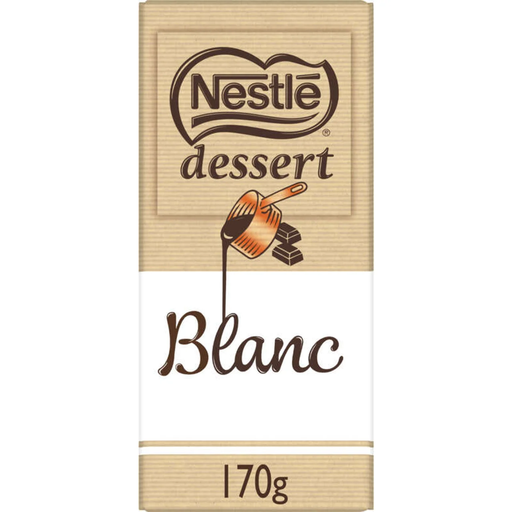 Image unavailable
A bar for adding white chocolate to cakes, rather than handing out chocolates ready to eat. Work out how many 170 g bars your recipes require, and check the allergen information on the packaging before the sale.
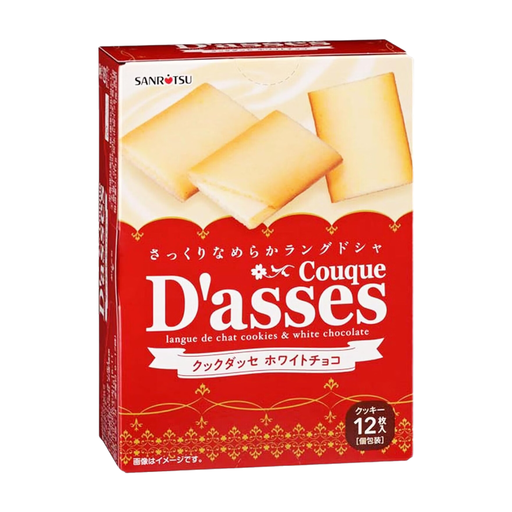 Image unavailable
Biscuits to consider for serving ready to eat, not for melting or mixing into a recipe. Before offering them at the stall, check the pack size and the label for information about wheat, egg, milk and soya.
Not for the same purpose: chocolates in a sharing bag are intended to be eaten as they are. To mix white chocolate into a batter or make decorations, choose a product made for baking and suited to your recipe.
Check every ingredient in the recipe and the exact product you’re using. The white chocolates reviewed list milk, and depending on the product, soya or possible traces of other allergens. The DGCCRF states that allergens in pre-packed foods must be highlighted in the ingredients list. Keep the packaging so you can give buyers the information they need.
No. According to the DGCCRF, Nutri-Score is voluntary in France, while a nutrition declaration is generally compulsory for pre-packed foods, subject to applicable exceptions. To compare two products, read their nutritional information on the same basis, for example per 100 g.
No. It isn’t a factor when choosing the solid white chocolate bars, chips or chocolates discussed here. Article 1613 bis of the French General Tax Code, published by Légifrance, applies to drinks, not these products.
Choose treats that you can transport and store safely. For school events, the French Ministry of Education recommends products that generally pose no particular risk, and lists cakes with crème pâtissière or Chantilly cream among the less suitable options. Follow the storage instructions for the ingredients you use, too.