Organisers planning what to serve
A stated number of bites makes it easier to plan portions for a fête table. For example, Lindt France says its 400 g personalised LINDOR bag contains approximately 32 bites, although this is only an estimate.


To serve white chocolate in small portions at a village fête, choose chocolate bites if you want chocolate rather than a biscuit, then check the stated piece count and how they’re packaged. Mini biscuits coated in white chocolate are a good choice for a biscuit-style snack, but they’re no substitute for a white chocolate bite. In either case, check the ingredients, allergens and nutritional values per 100 g.
A stated number of bites makes it easier to plan portions for a fête table. For example, Lindt France says its 400 g personalised LINDOR bag contains approximately 32 bites, although this is only an estimate.
It’s worth checking the product description before you choose: as the DGCCRF points out, chocolate categories are defined separately. A biscuit coated in white chocolate, such as Milka Mini Stars White as described by Carrefour France, satisfies a different craving from a white chocolate bite.
If guests need to be able to identify the ingredients in each recipe, keep the packaging. Depending on the product, the ingredients list may include milk, nuts, soya, wheat or egg; check every label.
| Priority | What to check | Who is this for? |
|---|---|---|
| Serving portions | Check the net weight, stated piece count and how the pieces are actually packaged. | When products are set out on a fête table, knowing how many pieces you can serve saves you from having to portion them at the last minute; around 45% of consumers would make portioning their priority. |
| Allergens | Read the ingredients list and any warnings about possible unintended presence on the packaging for that batch. | If guests need to avoid certain ingredients, identifying each recipe comes before choosing a texture; around 33% of consumers would prioritise this check. |
| Product type and ingredients | Distinguish between white chocolate bites and biscuits coated in white chocolate; compare the nutritional information per 100 g. | If you want to serve chocolate rather than biscuits, the product description matters just as much as the look of the pack; around 22% of consumers would prioritise the product type and ingredients. |
Carrefour France describes Milka Mini Stars White as milk-filled biscuits coated in white chocolate. Their texture and ingredients are different from those of a white chocolate bite.
Read the product description and ingredients: choose bites if you want to serve chocolate, or mini biscuits if you’re after a biscuit-style snack.
The DGCCRF states that nutrition declarations are compulsory for most pre-packed foods. The European Commission describes France’s Nutri-Score as a recommended supplementary way of presenting this information, not a replacement for the compulsory declaration.
To compare recipes, check the energy, sugars and fat per 100 g, then take the serving size into account.
A hazelnut bite and a biscuit coated in chocolate may contain different allergens. The European Commission reminds consumers that allergens used as ingredients must be highlighted in the ingredients list.
Keep the packaging within easy reach and identify each product separately. Don’t describe a recipe as suitable for someone with an allergy without checking its up-to-date label.
Lindt France offers a personalised 400 g LINDOR bag, with the option to select LINDOR White.
Carrefour France describes Petits Plaisirs White Chocolate Hazelnut as bites in a 126 g bag.
According to Carrefour France, Milka Mini Stars White is a 150 g box containing four bags of milk-filled biscuits coated in white chocolate.
These products are biscuit-style options for a village fête. If you’d rather serve white chocolate bites than biscuits, choose that format first, then check the piece count and allergens for the recipe you select.
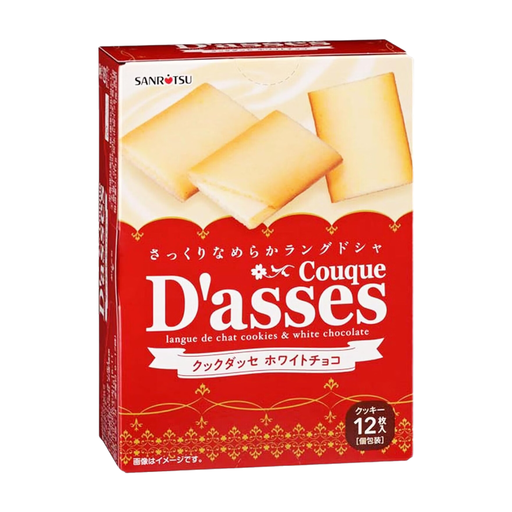 Image unavailable
Worth considering if you want to serve a white chocolate biscuit rather than a chocolate bite. Before planning how to serve them, check the number of pieces on the pack and whether they’re individually wrapped. Also check the label for allergens.
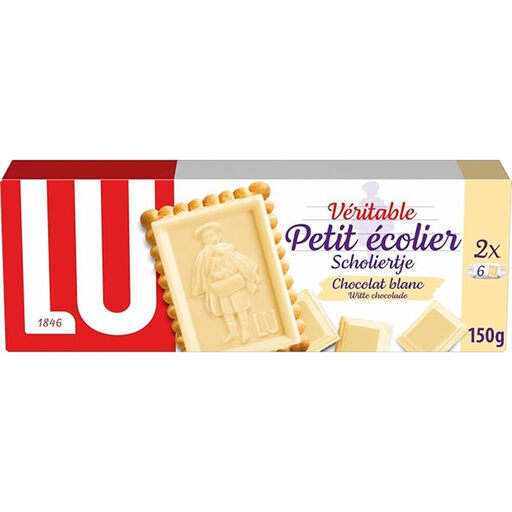 Image unavailable
This 150 g pack is a biscuit-style option with white chocolate, not white chocolate bites. To plan how you’ll serve them, check the number of biscuits on the pack and whether they’re individually portioned; you’ll also need to check the label for allergens.
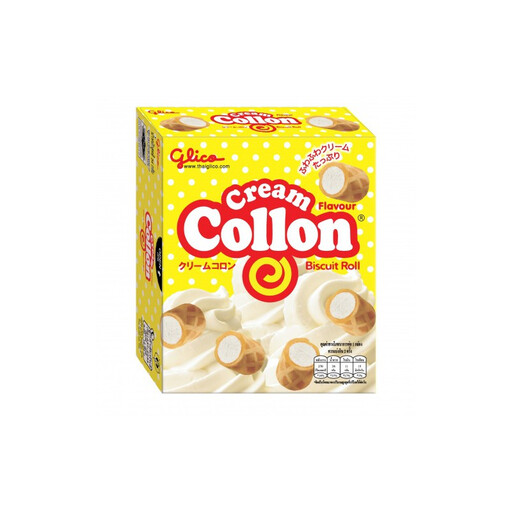 Image unavailable
This 41 g pack is a white chocolate biscuit snack, not white chocolate bites. If you need to share portions between guests, check the number of rolls and how they’re packaged on the pack, then read the allergen information on the label.
No. According to Légifrance, this levy applies to drinks and liquid preparations for drinks, not solid chocolate or biscuits. You can still check the product’s nutritional information to find out how much sugar it contains.
No. It shouldn’t be confused with the nutrition declaration, which is compulsory for most pre-packed foods according to the DGCCRF. The European Commission describes France’s Nutri-Score as a recommended supplementary way of presenting this information.
Start with the net weight and stated piece count, if available, then check whether the pieces are individually wrapped or all together in one bag. To choose between bites and biscuits, also read the product description and ingredients; the nutritional values per 100 g make it easier to compare recipes.
Keep the packaging for each recipe within easy reach during the fête and check its ingredients list, along with any warnings about possible unintended presence. The European Commission reminds consumers that allergens used as ingredients must be highlighted; don’t assume a recipe is suitable for someone with an allergy just from its name.