
Livraison le jour même ou le lendemain

Qualité garantie

Débloquez vos offres de bienvenue: Livraison GRATUITE | Jusqu'à -80 % | 30 jours d'essai gratuits à JoyPlus
Téléchargez l'application
Buying whisky online lets you compare origins, formats and flavour profiles in just a few clicks. But a well-written product description does not always guarantee the right choice. Between terms that are sometimes misunderstood, particularly flattering descriptions and differences in alcohol content, certain details can make the difference between a great find and a disappointing bottle.
Before placing your order, focus on three things: the whisky’s actual category, its flavour profile and how you intend to use it. A bottle for sipping neat will not necessarily meet the same criteria as a whisky intended for cocktails or gifting.
A Japanese whisky can be a single malt, a blended whisky or a blend of malt and grain whisky. Similarly, a Scotch whisky can be peated, fruity, woody or particularly smooth. Origin therefore provides an indication, but it is not enough to sum up the flavour.
The term single malt generally refers to whisky made from malt at a single distillery, while a blended whisky combines several components. These categories do not, by themselves, tell you whether one bottle is better or more expensive than another. Above all, they provide information about its production method and style.
Longer maturation can alter the texture and enrich the flavours, but it does not necessarily suit everyone’s tastes. As for the term premium whisky, it covers very different products depending on the brand. To compare two bottles on a practical basis, look instead at the alcohol content, cask type, volume and flavour notes given by the producer.
A 70 cl bottle of whisky is generally suitable for a home bar as well as for a gift. A 50 cl format may be more suitable for trying a particular whisky or putting together a varied selection. The alcohol content also deserves your attention: a 40% whisky is not experienced in quite the same way as a 51.4% expression. With more powerful whiskies, a few drops of water can change how the flavours are perceived without taking away from the spirit’s character.
Start by checking the country or region of production: Scotland, Japan, Ireland, France, the United States or Taiwan. Profiles can vary considerably:
When the information is available, also check the list of ingredients and allergens. Some product descriptions mention the possible presence of gluten or sulphites.
For sipping neat, look for information about the nose, palate and finish. Notes of pear, citrus, dried fruit, vanilla, caramel or smoke already give you a good idea of the bottle’s style.
For a whisky for cocktails, choose an expression with enough character not to disappear behind ice, sparkling water or the other ingredients. A whisky described as suitable for a highball, whisky and soda or cocktails will often be more versatile for everyday use.
Store your bottles upright, in a cool, dry place away from direct sunlight. Close them carefully after every use. Alcohol is reserved for people aged 18 and over. It should be consumed in moderation and responsibly. Pregnant or breastfeeding women should not consume alcoholic drinks.
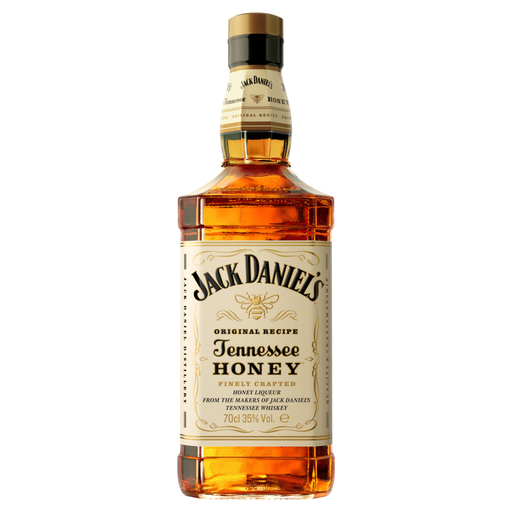
Why this choice suits this profile : The combination of Tennessee Whiskey and a honey liqueur offers a smooth introduction, ideal for a first taste or serving over ice.
The product details specify the 70 cl format, alcohol content and ingredients. This lets you compare the bottle based on concrete information rather than its name alone.
40% vol., 70 cl, stated notes of honey and roasted nuts; serve chilled, over ice or in a cocktail.
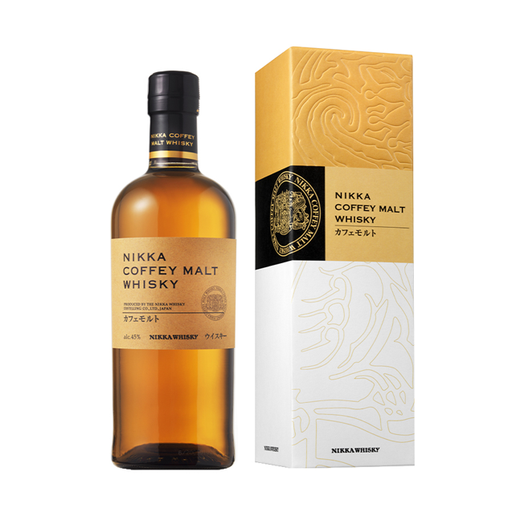
Why this choice suits this profile : With 45% vol. and stated notes of citrus, pear, plum and vanilla, this bottle is aimed at enthusiasts who enjoy taking their time over a whisky.
The product details explain the use of a Coffey still and the different ways it can be served. This helps you distinguish a genuine production feature from a simple marketing claim.
70 cl, 45% vol., fruity profile and several serving options: neat, over ice, with a splash of water or in a cocktail.
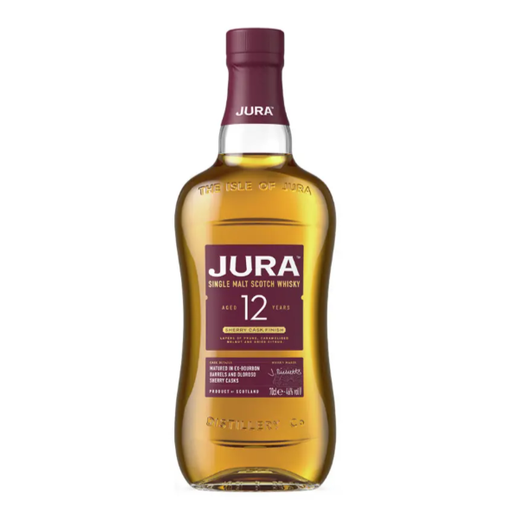
Why this choice suits this profile : According to the product details, this 70 cl Scotch single malt develops notes of plum, walnut and dried citrus. Enjoy it neat or lightly diluted.
Its age, origin on the Isle of Jura, Oloroso cask type and 40% alcohol content let you assess the bottle using verifiable criteria.
Scotch single malt, matured in Oloroso sherry casks, stated natural colour and a profile that pairs well with chocolate desserts or dried fruit.
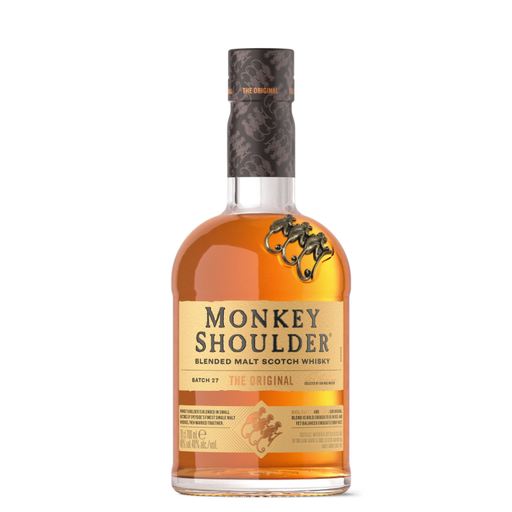
Why this choice suits this profile : This Scotch blended malt is designed to be served neat, over ice or in a cocktail. Its versatility is a real advantage in a regularly used home bar.
The blended malt category and combination of several single malts are clearly stated. It cannot therefore be confused with a single malt from one distillery.
40% vol., 70 cl, a profile described as rounded and suitable for both cocktails and sipping neat.
We have selected a complete, real-time updated list of products that meet these demanding selection criteria and European safety regulations.
To begin, choose a moderate alcohol content of around 40 to 43% and a clearly described flavour profile. A smooth, fruity or lightly vanilla-led whisky will often be more approachable than a highly peated or high-strength bottle. Jack Daniel’s Tennessee Honey may also suit fans of sweet flavours and cocktails.
A bottle that is properly sealed, stored upright in a cool place away from light, can remain stable for a long time. However, a nearly empty bottle changes more quickly because there is more air inside it. Close it carefully after every serving and avoid significant temperature fluctuations.
A 70 cl blended whisky provides a versatile base for cocktails and serving over ice. You can then explore different origins with a Japanese, Irish or French whisky. To add variety to your selection of spirits online, a bourbon or premium rum can complement your bar without replacing the characteristics unique to whisky.