
Same-day & Next-day Delivery

Quality Guaranteed

Unlock Your Welcome Offers: FREE Delivery | Up to 80% OFF | Free 30-day JoyPlus trial
Download the APP
Buying whisky online makes it easy to compare origins, formats and flavour profiles. But a well-crafted product page isn’t always enough to make the right choice. Between the “premium” labels, the distillery stories and the particularly flattering tasting notes, some very concrete criteria can easily slip under the radar.
This guide is for adults aged 18 and over who want to compare Japanese whisky, Scotch whisky, single malt, blended whisky or even French whisky before placing an order.
The origin gives you an initial indication, but it isn’t enough to predict the taste. A Japanese whisky can be fruity, smoky or spicy depending on its blend and the casks used. In Scotland, a single malt from the Highlands won’t necessarily have the same profile as a single malt from Speyside or an island.
So take the time to read the product page all the way through to the aroma notes, the whisky category and the information about its maturation.
A single malt is made in a single distillery using malted barley. A blended whisky typically blends several malt and grain whiskies. Neither style is automatically better than the other, nor is it suited to every palate.
Blended whisky often appeals because of its versatility, especially for cocktails. Single malt tends to attract enthusiasts who want to explore the signature of a distillery, a region or a type of cask.
A bottle at 40% ABV will generally be easier to approach than an expression at 45% or 51.4% ABV. A higher strength often brings more intensity, but it may also require adding a few drops of water to get the most out of the aromas.
The format also deserves your attention. A 70 cl bottle of whisky is suitable for regular drinking or as a gift. A 50 cl bottle can be more practical for trying a new reference, making cocktails or keeping the initial spend down.
Start by identifying the whisky category:
Then check whether the product page mentions the region, the distillery and the composition. These details help you get a better sense of the flavour experience, without taking the commercial description as an absolute promise.
The wood influences the colour, texture and aromas. Bourbon casks can bring notes of vanilla, coconut or apricot. Sherry casks, especially Oloroso, are often associated with hints of dried fruit, candied citrus or caramel. Wine cask finishes can, in turn, enhance the fruity or vinous character.
The stated age corresponds to the minimum maturation period of the youngest whisky in the bottle. On its own, it doesn’t guarantee you’ll enjoy the bottle. To get a fairer idea, it’s better to compare the stated age, the cask type and the flavour profile together.
For a sipping whisky, look at the serving suggestions: neat, with a few drops of water, on the rocks or at room temperature. For a cocktail whisky, go for a profile that’s expressive enough and a versatile bottle, rather than being guided solely by the prestige of the label.
If the bottle is intended as a gift, the gift box, the design and the volume can matter just as much as the contents. Also think about storage conditions: bottle upright, in a cool, dry place, away from direct light.
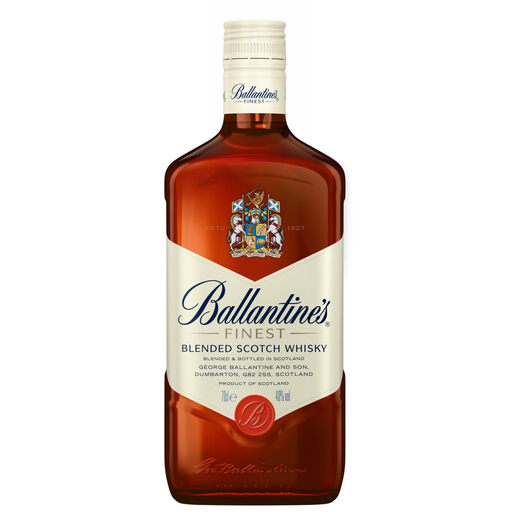
Why this choice suits this profile: Its 70 cl format and 40% ABV make it an accessible entry point into the world of Scotch whisky, to be enjoyed neat, on the rocks or with a splash of water.
The product page clearly details the blend of malt and grain whiskies, as well as the storage conditions.
40% ABV, 70 cl, Scottish origin and a profile described as light, with notes of red apple, vanilla and chocolate.
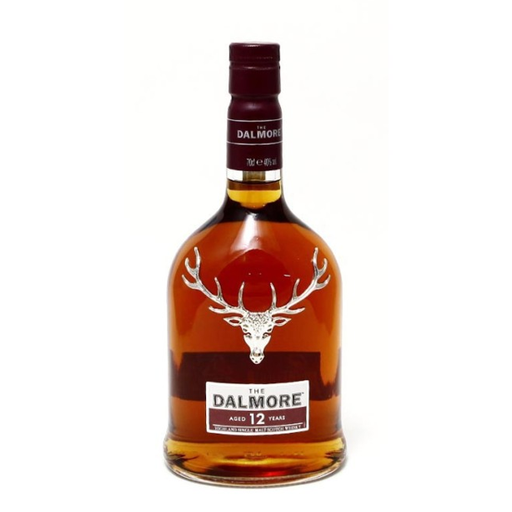
Why this choice suits this profile: This Highland single malt Scotch is aimed at enthusiasts looking for a structured tasting experience and a gift box with an elegant presentation.
The age, alcohol strength and maturation in bourbon and Oloroso casks are all specified, allowing for a concrete comparison.
Single malt at 40% ABV in a 70 cl bottle, with stated notes of orange, ripe fruit, cocoa and nuts.
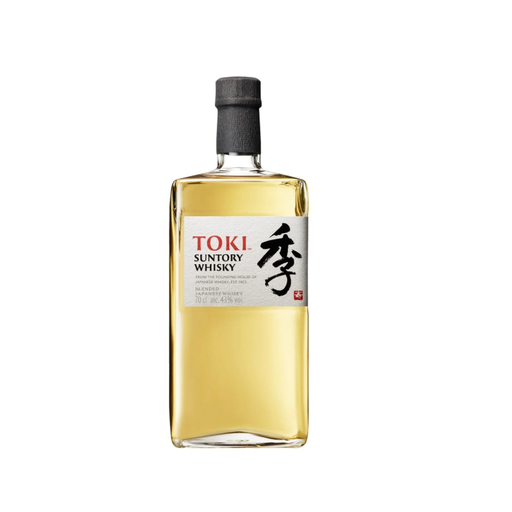
Why this choice suits this profile: Its fresh, herbaceous profile works equally well for sipping or in a highball, making it a smart choice for a frequently used home bar.
The product page specifies the different uses, the 43% ABV and the 70 cl volume, rather than relying solely on the Japanese origin.
A blend of whiskies from Hakushu, Chita and Yamazaki, with stated notes of green apple, basil and citrus.
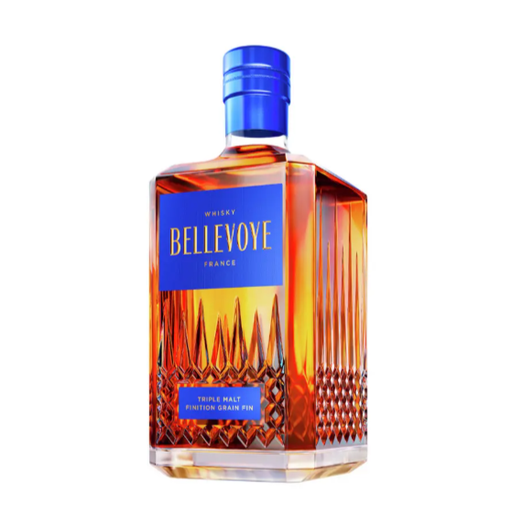
Why this choice suits this profile: This French triple malt is an original option for someone who appreciates local spirits and beautiful bottles to give as gifts.
The origin of the three single malts and the alcohol strength are clearly stated, making the bottle’s positioning easier to understand.
French triple malt whisky, 40% ABV, 70 cl, described as smooth and harmonious, with no peat.
We’ve put together a comprehensive, real-time updated list of products that meet these demanding selection criteria and European safety regulations.
A blended whisky at 40% ABV is often an accessible first step, especially if you want to drink it neat, on the rocks or in a cocktail. If you enjoy aromas of fruit, vanilla or cereal, you could also turn to a lightly peated Japanese whisky.
A well-sealed bottle, stored upright and away from light, can remain enjoyable for several months. Whisky does not continue to age in the bottle the way it would in a cask. As the level drops, more air occupies the space and the aromas can evolve more quickly.
For a whisky to give as a gift, check the format, the presentation and the stated flavour profile. A 70 cl single malt will suit someone who likes to take their time sipping, while a Japanese, French or Irish blended whisky may be better for versatile use. In all cases, alcohol is for adults only and should be consumed in moderation. Alcoholic drinks are not recommended during pregnancy.