
Livraison le jour même ou le lendemain

Qualité garantie

Débloquez vos offres de bienvenue: Livraison GRATUITE | Jusqu'à -80 % | 30 jours d'essai gratuits à JoyPlus
Téléchargez l'application
Choosing a whisky in France is not simply a matter of comparing labels or looking out for a promotion. Whether you are considering Japanese whisky, Scotch whisky, French whisky or Irish whiskey, differences in style, bottle size and alcohol content can significantly change the experience… and the price.
Some product descriptions can also be misleading. A profile described as “intense” may simply refer to a whisky with a high alcohol content or a particularly peaty character. Likewise, a presentation box does not guarantee that the bottle is suitable for the intended occasion. Here are the criteria to consider before buying whisky online.
Origin provides a useful first indication, but it is not enough on its own to predict the aromas. Scotch whisky can be light, fruity or very smoky, depending on its region and blend. Japanese whisky may be delicate, floral or spicy. French whisky sometimes focuses on maturation in wine casks, while Irish whiskey is often appreciated for its smooth texture.
It is also important to distinguish between several categories:
These descriptions do not automatically rank quality. They primarily describe a production method.
A whisky at 40 % vol. is generally easy to enjoy neat or in a cocktail. At 43 % or 46 %, it may offer more presence on the palate, but this also depends on the blend and maturation. NIKKA From The Barrel, for example, contains 51.4 % vol. in 50 cl: a smaller bottle size and a high alcohol content to consider before placing your order.
A higher alcohol content does not therefore guarantee a more enjoyable tasting experience. Above 40 %, a few drops of water can bring out different aromatic nuances, but you are free to enjoy your whisky however you prefer.
The most common format is 70 cl whisky, which is practical for regular tasting or giving as a gift. A 50 cl bottle may be a good option for discovering a distinctive profile, but you should compare its price with the quantity actually provided.
A whisky gift set is better suited to a special occasion. However, check exactly what it contains: a sleeve, gift box, glass or accessory may not always be included. The product page remains the best source of information before confirming your basket.
To guide your choice, start with your own tastes:
Aromatic descriptions are nevertheless only indicative. Perception varies according to the temperature, the glass used and the amount of water added.
If you plan to drink your whisky neat, over ice or with a dash of water, choose an alcohol content that suits your habits. For cocktails and mixed drinks, a 40 % blended whisky will generally be easier to measure. For a fuller, more structured tasting experience, 43 % or 46 % may be worth considering.
The terms ABV, % vol. and “alcohol content” all refer to the same information: the proportion of alcohol in the drink.
When an age is stated, it generally refers to the youngest whisky in the blend. Information about the casks — bourbon, new oak, sherry or wine — also gives an indication of the aromas that may develop.
Remember to check the listed ingredients, whether caramel colouring is present and which allergens are mentioned on the packaging. Anyone sensitive to gluten, sulphites or certain ingredients should refer to the product’s official information.
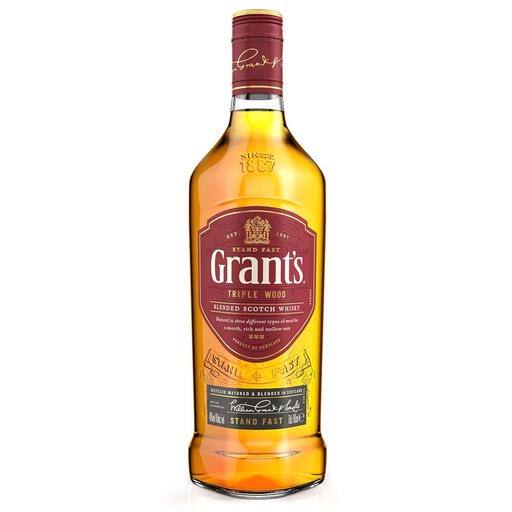
Why this choice suits this profile : Its 70 cl format and 40 % alcohol content make it a versatile first bottle, suitable for drinking neat, over ice or in a cocktail.
The product page specifies the volume, alcohol content and maturation in three types of cask. This helps you avoid choosing based solely on the brand name.
A smooth, fruity profile defined by vanilla, spices and fruit. No allergens are declared on the product page.
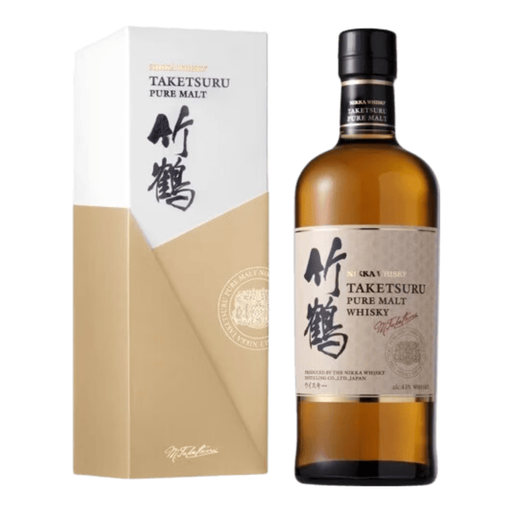
Why this choice suits this profile : This Japanese blended malt brings together malt whiskies from Yoichi and Miyagikyo. Its presentation box makes it equally suitable as a gift or for a relaxed tasting.
The category, origin, 43 % alcohol content, 70 cl volume and inclusion of the presentation box are all stated separately.
Advertised notes of citrus, sweet spices, cereals and candied fruit. Store upright and away from light.
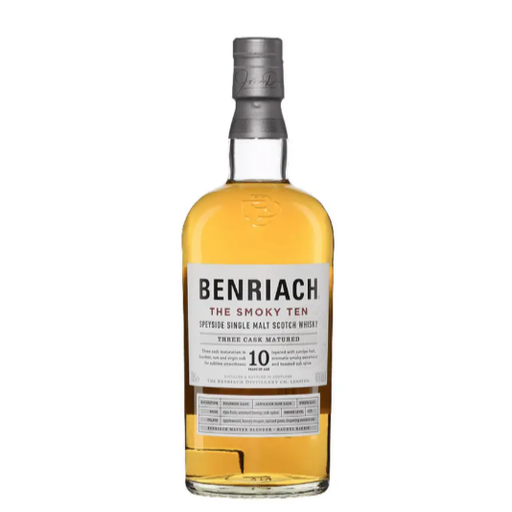
Why this choice suits this profile : Its peaty profile and 46 % alcohol content are aimed at those who enjoy smoke, ripe fruit and toasted oak.
The product page clearly states that it is a single malt from the Speyside region, aged for 10 years and matured in three types of cask.
A whisky described as non-chill-filtered and free from E150a artificial colouring, with notes of fruit, smoke and oak.
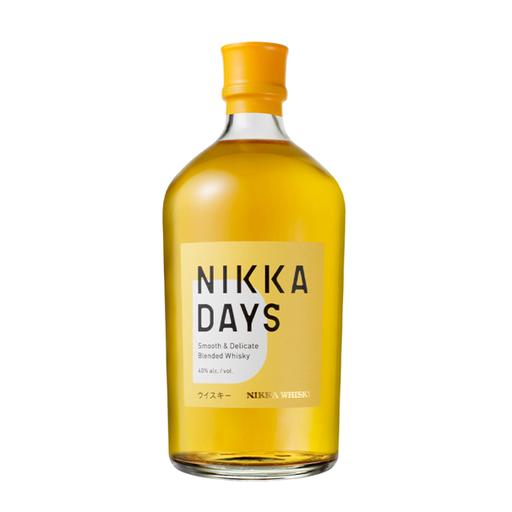
Why this choice suits this profile : Its 40 % alcohol content, 70 cl format and suggested serving options — neat, over ice, with cola or in a cocktail — make it suitable for a range of occasions.
The product page distinguishes between the malt and grain whiskies from Miyagikyo and Yoichi, rather than relying on a simple promise about its aromas.
A floral, fruity profile with notes of pear, citrus, cereals, malt and vanilla, along with a subtle touch of peat.
Store whisky upright, in a cool, dry place away from direct sunlight and sources of heat. The stopper should remain firmly closed. An opened bottle may slowly change when exposed to air, particularly when only a small amount remains.
For tasting, a suitable glass and a small measure are all you need. Serve whisky at room temperature, with a few drops of water if you want to bring out particular aromas. Ice cubes cool the drink quickly, but they can also soften its more delicate notes. For a cocktail, choose a sufficiently expressive profile so that it remains noticeable after dilution.
The sale and consumption of alcohol are restricted to people aged 18 and over. Excessive alcohol consumption is harmful to health. Drinking alcohol during pregnancy is not recommended.
A 40 % vol. blended whisky in a 70 cl format generally offers great versatility. Fruity, malty and lightly peated profiles are often easier to explore than a very smoky or high-strength whisky. However, the best choice depends on individual tastes and drinking habits.
A single malt comes from one distillery and is made from malt. A blended malt combines several malt whiskies from different distilleries. Taketsuru, for example, is presented as a Japanese pure malt made from whiskies from Yoichi and Miyagikyo.
The price depends on the origin, volume, stated age, type of cask, alcohol content and presentation. Always compare the price with the bottle size — particularly between 50 cl and 70 cl — and check whether a presentation box or accessory is actually included before buying whisky online.