
Livraison le jour même ou le lendemain

Qualité garantie

Débloquez vos offres de bienvenue: Livraison GRATUITE | Jusqu'à -80 % | 30 jours d'essai gratuits à JoyPlus
Téléchargez l'application
Buying whisky online can quickly become a headache. Origin, blend type, maturation, alcohol content and flavour profile are not always presented in the same way. Some bottles rely heavily on their packaging, while the information that is genuinely useful when choosing can be difficult to find.
Three mistakes are particularly common among French shoppers:
A single malt comes from one distillery and is made exclusively from malted barley. Its flavour profile can be highly distinctive, with fruity and pastry notes, for example, which are typical of certain Speyside whiskies.
Blended whisky generally combines malt and grain whiskies. Versatile, it is equally suitable for enjoying over ice, in a cocktail or topped up with sparkling water.
Blended malt brings together several single malts, with no grain whisky. It can offer a more structured and characterful expression, like Big Peat, a blend of Islay malts with a strongly peated profile.
The right choice depends above all on your preferences:
These descriptions are useful tasting guides. They do not guarantee that everyone will perceive exactly the same aromas or flavours.
The 70 cl whisky format is the most common bottle size for whisky intended for tasting or giving as a gift. Also check the alcohol content:
For a gift, a whisky gift set or a bottle supplied with a presentation case will provide a more polished presentation. The purchase and consumption of alcohol are restricted to adults. Alcohol should be consumed in moderation and is not recommended during pregnancy.
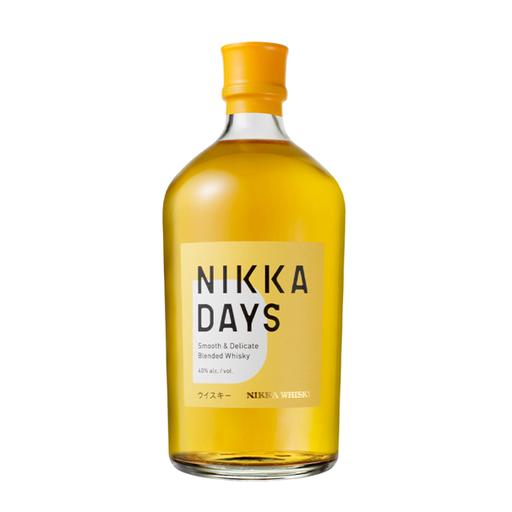
Why it suits this profile : At 40 % vol. and in a 70 cl bottle, this Japanese blend is a great introduction to the world of whisky. It can be enjoyed neat, over ice or in a cocktail.
The product page clearly details the type of whisky, its origin, volume and alcohol content. There is no need to rely solely on marketing language.
Advertised notes of pear, citrus, malt, vanilla and caramel, with a presentation case included.
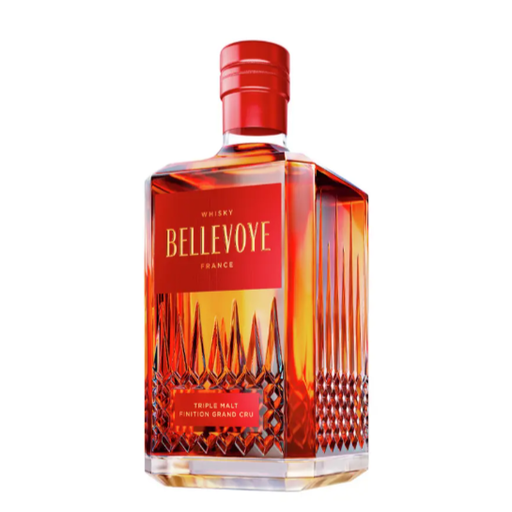
Why it suits this profile : At 43 % vol., this French expression is aimed at anyone looking for an elegant whisky for sipping, shaped by the influence of wine casks.
Its French origin, blend of three single malts and maturation in Bordeaux Grand Cru casks are all clearly stated.
A French triple malt, a lightly peated profile and advertised wine-influenced notes.
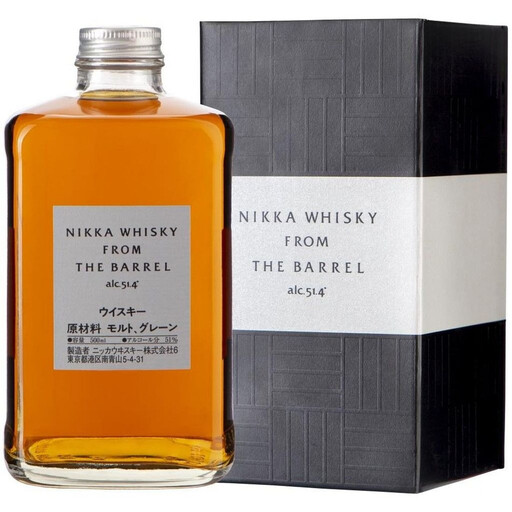
Why it suits this profile : At 51,4 % vol. and in a 50 cl bottle, this whisky is intended for concentrated tasting. Serve it in small measures and optionally add a little water to suit your preferences.
Its high alcohol content is displayed unambiguously. You know what to expect and are not relying solely on the bottle’s design.
An advertised profile that is deep, spicy and fruity, in a compact 50 cl bottle.
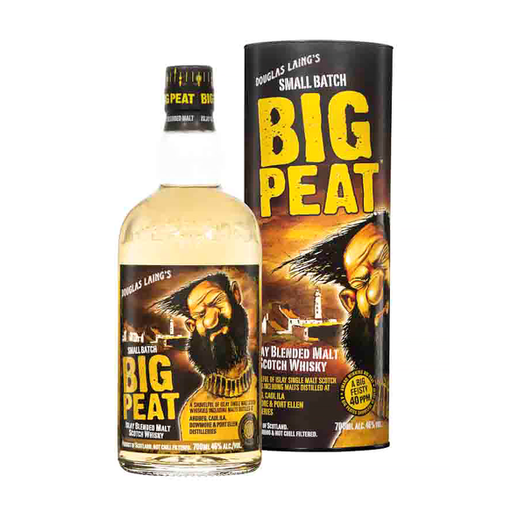
Why it suits this profile : At 46 % vol., this Islay Scotch whisky is aimed at lovers of smoke, peat and pronounced flavour sensations.
The product page specifies the blended malt style, the Islay region, the alcohol content and the notes of liquorice, ash and clove.
A blend of Islay malts with a strongly peated profile, best discovered neat and at room temperature.
We have brought together a complete, real-time selection of products that meet these demanding criteria and European safety regulations.
A blended whisky at 40 or 43 % vol. is often a good place to start. Fruity, vanilla or lightly malty profiles are generally easier to get to know than a heavily peated Islay whisky. Nikka Days and Ballantine’s Finest are not aimed at exactly the same uses, but their product pages clearly state the alcohol content and the different ways to serve them.
Keep it upright, in a cool, dry place away from direct sunlight. The stopper should remain properly sealed. An opened bottle can change over time, especially when very little liquid remains. Also avoid significant temperature fluctuations and do not store your whisky near a heat source.
The price varies according to the type of whisky, its origin, alcohol content, maturation and presentation. For a whisky gift, a 70 cl bottle with a presentation case or gift set is generally a sensible choice. For a seasoned enthusiast, a single malt, blended malt or French expression matured in a wine cask will help you make a more suitable choice. Before ordering, always check the volume, alcohol content and information shown on the label.