
Livraison le jour même ou le lendemain

Qualité garantie

Débloquez vos offres de bienvenue: Livraison GRATUITE | Jusqu'à -80 % | 30 jours d'essai gratuits à JoyPlus
Téléchargez l'application
Choosing a whisky online can quickly become a real headache. Between Japanese whisky, Scotch whisky, French whisky, single malt, blended whisky and cask details, labels often pile on selling points without explaining what they actually change in the glass.
Two pitfalls are particularly common. The first is paying for an origin or attractive packaging without checking the type of whisky, volume and alcohol strength. The second is treating an aromatic description as a promise of flavour. Notes of orange, vanilla or smoke are tasting indications only: they can be perceived very differently depending on your palate and how the whisky is served. Finally, a 70 cl bottle is not necessarily more suitable than a 50 cl format, especially for a first taste or as a gift.
Origin provides a useful starting point, but it cannot predict the flavour profile on its own.
Take the time to check the exact wording shown on the product page, along with the country of production and, where available, the bottling location.
Alcohol strength affects the sensation on the palate and how the whisky is best served. Bottles at 40 or 43 % vol. are generally easy to enjoy neat or with a few ice cubes. Versions at 45 % vol. or above may seem more concentrated; a few drops of water can make them more approachable.
Volume matters too:
Compare the price per volume rather than relying solely on the displayed price. Also check delivery costs, returns conditions and actual availability before completing your order.
Cask maturation influences the colour, aromas and texture of whisky. A whisky matured or finished in casks that previously held sherry — a sherry cask whisky — may develop notes of dried fruit, candied citrus, caramel or spices. Bourbon casks are often associated with aromas of vanilla, coconut or stone fruit.
Peated whisky brings smoky, earthy or maritime notes. This profile may surprise anyone used to smooth whiskies. For a first purchase, consider how you intend to use it: neat tasting, a highball, cocktails or as a gift.
Remember to check the regulatory information too: alcohol strength, net quantity, declared allergens, origin, storage conditions and the pregnancy warning. The sale and consumption of alcohol are restricted to adults. Alcohol should be enjoyed responsibly.
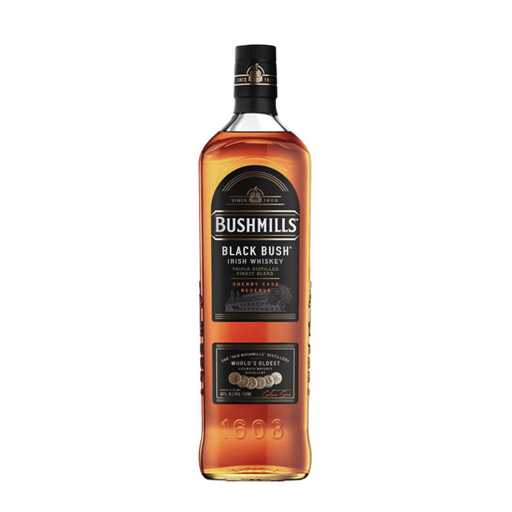
Why this choice suits this profile : Its 70 cl format and 40 % vol. strength make it an easy bottle to discover, whether enjoyed neat, over ice or in a cocktail. The product page states that it is predominantly matured in Spanish oak casks that previously held sherry.
The blended Irish whiskey category is clearly stated, so you are not at risk of paying for a bottle thinking you are buying a single malt.
40 % vol., 70 cl and a profile described as rich, smooth and shaped by sherry.
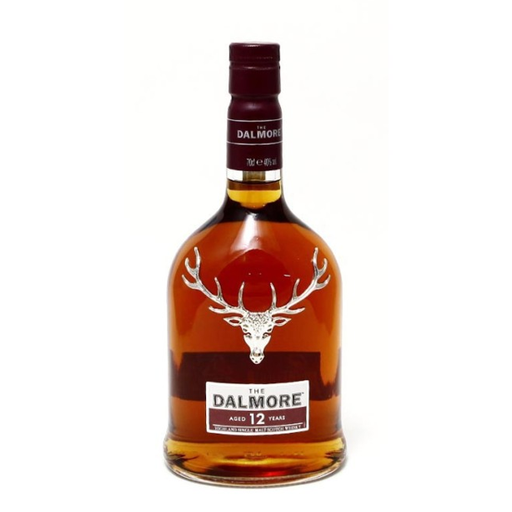
Why this choice suits this profile : This Highland single malt is 40 % vol. and comes in a 70 cl bottle. Its maturation combines bourbon and Oloroso casks, with stated notes of orange, nuts, brioche and cocoa.
The stated age, single malt designation and cask types are clearly identifiable, making it easier to compare with other bottles.
Scotch single malt, 70 cl and maturation combining bourbon and Oloroso.
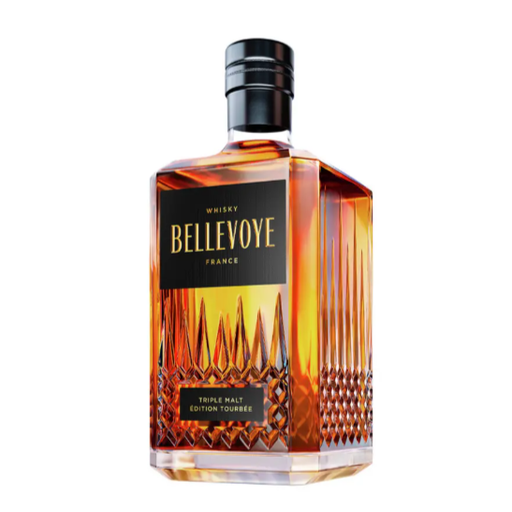
Why this choice suits this profile : Its peaty character and 43 % vol. strength are aimed at fans of smoky flavours and more expressive tastings. The product page mentions a blend of three peated French single malts.
The peated designation is explicit, reducing the risk of receiving a smooth whisky when you are looking for smoky aromas.
Stated French origin, a blend of three malts and 43 % vol. strength.
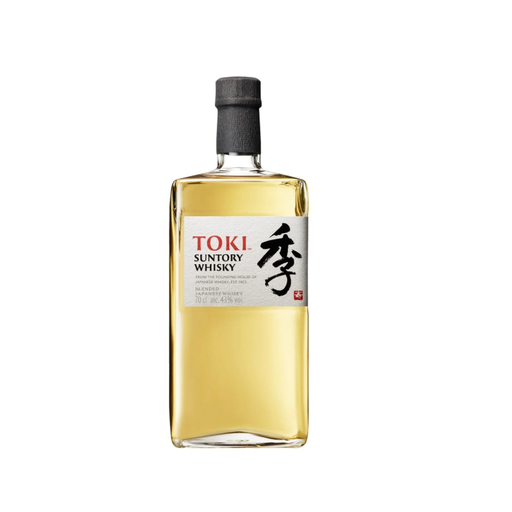
Why this choice suits this profile : This whisky can be enjoyed neat or in a highball. The product page describes a blend of malt and grain whiskies from Japanese distilleries, with notes of green apple, herbs and citrus.
The strength, volume and suitability for cocktails are clearly stated, making it easier to choose when putting together a home bar.
43 % vol., 70 cl bottle and recommended neat or highball serving.
Start with a whisky at 40 or 43 % vol., in a 50 or 70 cl format, with a profile described as fruity, smooth or balanced. A blended whisky will often be easier to get to know than a heavily peated whisky. Try it neat first, then optionally add a few drops of water to see how its aromas develop.
No. Before and after opening, keep the bottle upright in a dry, cool place away from direct sunlight. The stopper or cap should remain properly closed. In most cases, refrigeration is unnecessary, and changes in temperature can affect how well the whisky keeps.
A properly sealed whisky can be kept for a long time. However, its profile may change when the bottle is nearly empty and contains a lot of air. Keep it upright at room temperature and away from any heat source. To preserve the aromas, avoid decanting the contents and reseal the bottle after each serving.