
Livraison le jour même ou le lendemain

Qualité garantie

Débloquez vos offres de bienvenue: Livraison GRATUITE | Jusqu'à -80 % | 30 jours d'essai gratuits à JoyPlus
Téléchargez l'application
Choosing a whisky isn’t just about spotting a pretty bottle or a label stamped “premium”. Between Scotch whisky, Japanese whisky, French whisky, single malt and blended whisky, the flavour profiles and uses can vary enormously.
Yet some purchases disappoint for reasons that are easy to anticipate: a peated whisky chosen when you prefer gentle notes, an alcohol content too high for neat drinking, or a cask maturation that’s been misinterpreted. Here are the criteria to examine before ordering a 70 cl bottle of whisky, whether for yourself or as a gift.
Origin gives you some clues, but it isn’t enough to predict the taste. A Scotch whisky from Speyside can be fruity and approachable, while an Islay whisky is often associated with smoky, peaty notes. In Japan, a blended whisky can offer a fruity, floral and slightly smoky profile. In France, malt blends may favour roundness or the influence of the casks.
It’s therefore better to check the stated tasting notes: honey, vanilla, citrus, dried fruit, spices, smoke or liquorice.
A single malt is made from malted barley at a single distillery. However, this label doesn’t guarantee you’ll enjoy its profile. A blended malt combines several single malts, with no grain whisky. A blended whisky, on the other hand, can mix malt and grain whiskies to create a smoother, more versatile style.
The best choice really depends on how you plan to use it: neat drinking, on the rocks, with a few drops of water, or in cocktails.
Most bottles sit between 40 and 43% ABV, a range that’s generally comfortable for a first tasting. Bottles at 45 or 46% ABV often offer a fuller mouthfeel, while a whisky at 51.4% ABV demands more attention and sometimes a few drops of water to fully express itself.
A 70 cl bottle is ideal for regular drinking or as a gift. The 50 cl format can be a good way to try a distinctive style without committing quite as much of your budget.
For a whisky to be enjoyed neat, the aromatic notes and alcohol content generally matter more than just the category on the label.
The wood influences the colour, aromas and length of the finish. However, the maturation time and the type of cask should be considered together.
Peat adds smoky, earthy, medicinal or ashy notes. A peated whisky can delight fans of character, but it risks masking more delicate aromas for someone used to fruity, vanilla profiles.
Terms like “smoky”, “peated”, “fumé” or “tourbé” therefore deserve your full attention before you buy.
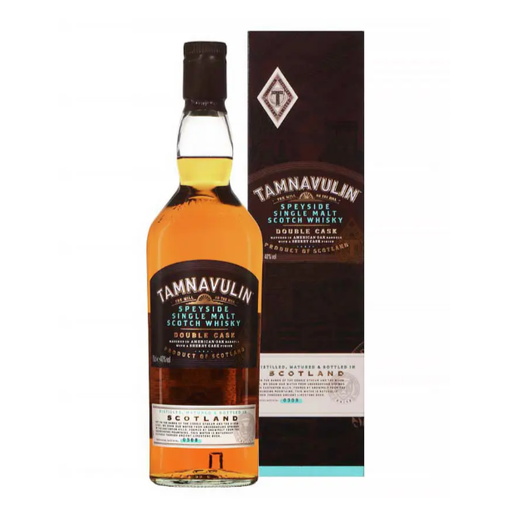
Why this choice suits this profile: This Speyside single malt Scotch, bottled at 40% ABV, focuses on notes of almond, honey, apple and caramel. A gentle introduction, without an overly pronounced profile.
The product page clearly states the origin, alcohol content and tasting notes. That helps you avoid choosing a bottle purely for its looks.
Speyside single malt, 40% ABV, 70 cl format, recommended neat at room temperature.
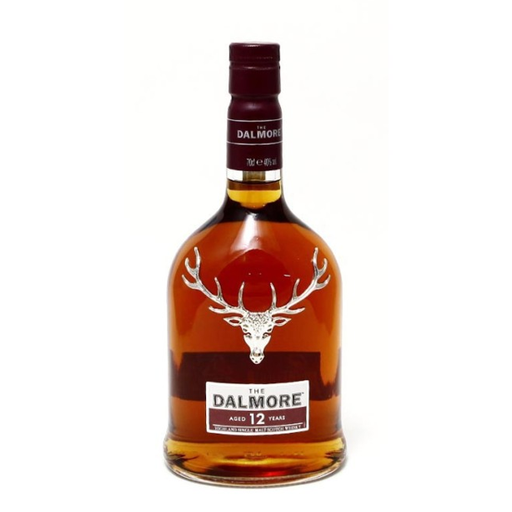
Why this choice suits this profile: This Highland expression combines maturation in bourbon and Oloroso casks with notes of orange, nuts, cocoa and ripe fruit.
The product page specifies the stated age and the types of casks used. Two concrete pieces of information, far more useful than a vague promise of complexity.
70 cl single malt, 40% ABV, double influence of bourbon and Oloroso.
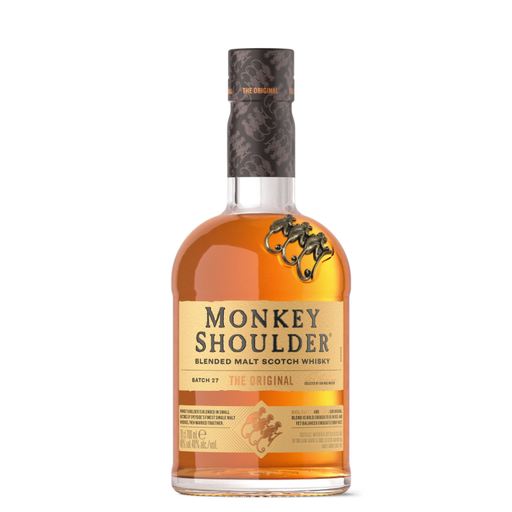
Why this choice suits this profile: This blended malt Scotch works equally well for neat drinking and cocktails. A reliable choice for building a versatile home bar.
Its versatile positioning stops you ending up with a very distinctive whisky that’s only suitable for one occasion.
Blend of three Speyside single malts, 40% ABV, suitable for use in cocktails.
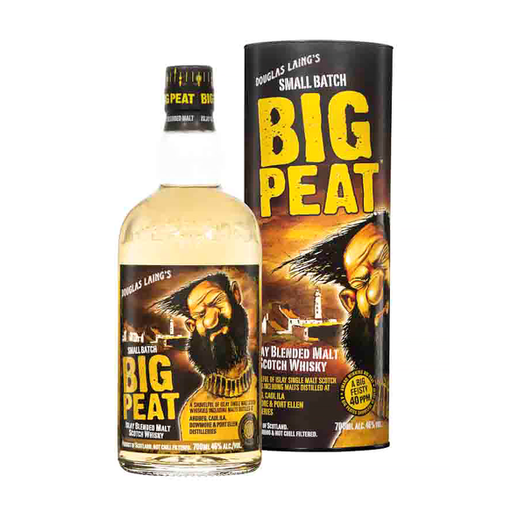
Why this choice suits this profile: This Islay blended malt is bottled at 46% ABV and boasts notes of peat, liquorice, ash and clove.
The peat level and alcohol content are clearly stated, so you know exactly what to expect from the very first sip.
Islay blended malt, 46% ABV, heavily peated profile, recommended neat.
A French whisky like Bellevoye Blue Grain is built on a blend of three single malts from Nord-Pas-de-Calais, Alsace and Charente. Its profile is described as smooth, harmonious and unpeated. The Bellevoye Black Peated version, on the other hand, is aimed at fans of a smoky expression.
Japanese whisky can appeal to those who enjoy fruity, floral and spicy profiles. Nikka Super Nikka is a blended whisky at 43% ABV, while Nikka Taketsuru Pure Malt combines malts from Yoichi and Miyagikyo. For a gentler drinking experience, Nikka Coffey Grain highlights notes of honey, pear and vanilla.
Whatever the country of origin, always check the product page, the volume, the alcohol content and the storage conditions. An opened bottle should be stored upright, away from light and heat. Alcohol is for adults only and should be consumed in moderation. It is not recommended during pregnancy.
A whisky bottled at 40 or 43% ABV, lightly peated and marked by notes of honey, vanilla, fruit or caramel is generally easier to get to grips with. A Speyside single malt or a smooth blended whisky often makes a good starting point.
Whisky can be enjoyed neat, on the rocks or with a few drops of water. Adding water can soften the alcohol sensation and help certain aromas come through. For a high-strength expression, start with a small amount of water, then adjust gradually to your taste.
A bottle that is properly sealed, stored upright in a cool, dark place, can remain enjoyable for a long time. However, when the level drops significantly, the air inside the bottle can cause the aromas to evolve. Closing the stopper carefully and avoiding temperature fluctuations will help preserve the whisky.