
Livraison le jour même ou le lendemain

Qualité garantie

Débloquez vos offres de bienvenue: Livraison GRATUITE | Jusqu'à -80 % | 30 jours d'essai gratuits à JoyPlus
Téléchargez l'application
Sugar is a kitchen staple, but navigating the huge variety of options can be a daunting task. Granulated sugar, icing sugar, brown sugar, palm sugar... each type has its own texture, flavour, and use. So, how do you know which one to choose for a light, airy meringue, a smooth caramel, or an authentic Thai dish?
The Joybuy team is here to help you make sense of it all. This guide demystifies the different types of sugar and gives you everything you need to make the right choice, whether you're a passionate baker or just looking for the perfect ingredient for your next online grocery shop.
Before we dive into our top picks, here are a few things to consider to buy your sugar online with confidence.
The size of the sugar crystals directly impacts the final result of your recipes.
Some sugars do more than just sweeten; they also add complex aromas that can transform a dish.
Of course, your recipe will be the ultimate guide. For a versatile baking sugar, granulated sugar is always a reliable choice. For delicate finishing touches, icing sugar is simply essential. Finally, if you're making a curry or a sweet and sour sauce, palm sugar will bring an aromatic complexity that white sugar can't match.
To help you choose, we've selected several sugars that are perfect for different culinary uses.
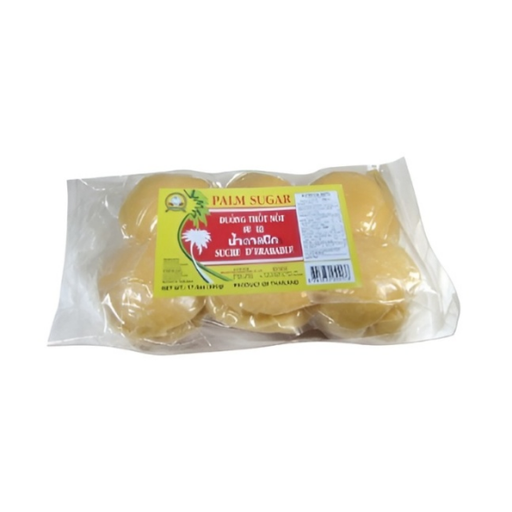
Why it stands out: This natural sugar, derived from palm sap, is a game-changer. Its granulated format makes it as easy to use as regular sugar, but it delivers a much richer and more nuanced flavour.
Key features:
Who is it for?: For fans of world cuisine, especially Asian food, and for anyone looking for an alternative to refined sugar with more character.
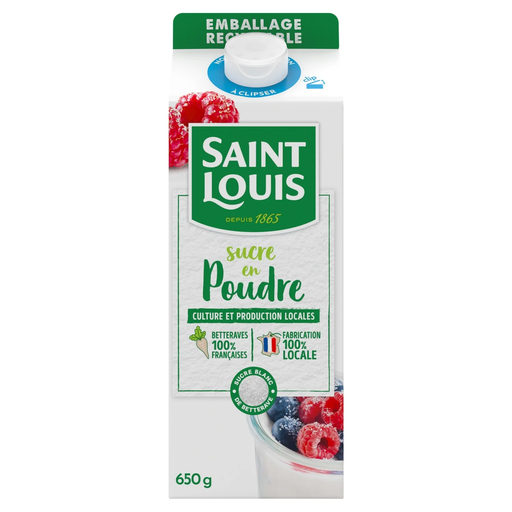
Why it stands out: The fineness of this icing sugar makes it the perfect partner for delicate pastries. Its rigid packaging with a pouring spout is a real bonus for precise measuring and a clean kitchen.
Key features:
Who is it for?: For baking enthusiasts who want a reliable and practical product for flawless finishing touches.
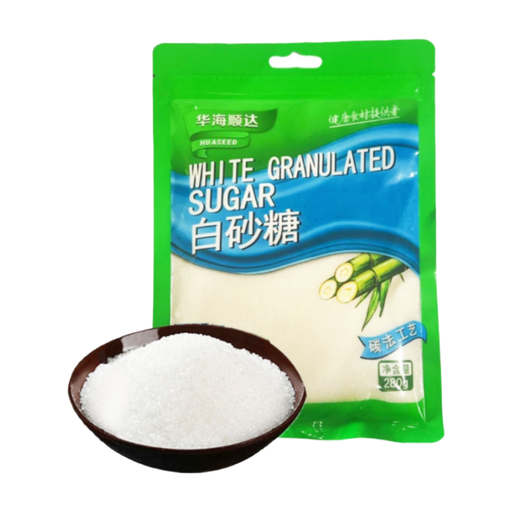
Why it stands out: This is the essential basic, the ultimate staple ingredient. Its 280g format is smartly sized for home use, preventing waste while ensuring freshness.
Key features:
Who is it for?: For anyone looking for a basic, reliable, and versatile white sugar in a convenient size for everyday shopping.
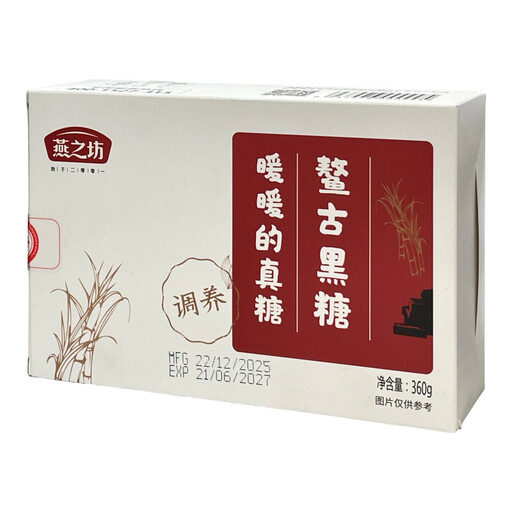
Why it stands out: This brown sugar is simply made from cane sugar and water, giving it a rich flavour and a naturally moist texture. It adds a gourmet touch and a beautiful golden colour to your baked goods.
Key features:
Who is it for?: For bakers who want to add depth and moistness to their creations, as well as for fans of comforting hot drinks.
Our selection covers the most common needs, but the world of sugar is vast. Can't find what you're looking for, or want to compare other options? Feel free to explore our full category.
? Discover our entire range in the Sugar category
1. What's the difference between "sucre roux" and "cassonade"? In France, the terms are often used interchangeably. To be precise, cassonade is an unrefined brown sugar made directly from cane juice, which retains some of its natural molasses. Other "sucres roux" (brown sugars) are sometimes just refined white sugar with molasses added back in. In either case, the result is a moist sugar with a pleasant caramel flavour.
2. Can you substitute palm sugar for white sugar in any recipe? Yes, in most cases you can, using a 1:1 ratio. Just keep in mind that palm sugar will give your dish a more distinct flavour and a darker colour. Its caramel taste is delicious in cakes and biscuits, but it's less suitable for recipes that require a neutral flavour, like a light sponge cake.
3. How should I store sugar to prevent it from hardening? Sugar, especially brown sugar and icing sugar, absorbs moisture from the air and tends to form hard clumps. To prevent this, always store it in an airtight container, away from heat and humidity. A cool, dry cupboard is the perfect spot.