Households with an old or oversized fridge or freezer
If you’re considering replacing a fridge or freezer, start with the capacity you need and the annual consumption shown on the label. ADEME points out that these appliances run continuously.


Start by looking at the old appliance your household uses most. A fridge or freezer runs constantly, while a tumble dryer, washing machine or dishwasher may be a higher priority if you use it frequently. Then compare appliances with the same function and a similar capacity. Energy label data can help you compare like with like, but it can’t predict your household’s actual consumption. If an appliance has broken down, consider whether it can be repaired before replacing it.
If you’re considering replacing a fridge or freezer, start with the capacity you need and the annual consumption shown on the label. ADEME points out that these appliances run continuously.
If you run cycles frequently, choosing a capacity that suits your loads and the programmes you actually use matters just as much as the energy rating. The European Commission provides standardised data for comparing washing machines.
If an appliance breaks down or shows signs of wear, check the warranty and get the cost of a repair assessed before choosing a new one. When comparing washing machines or dishwashers sold in France, check the relevant rating for the model.
First, consider what has the biggest impact on your day-to-day use: continuous refrigeration, how often you dry clothes or the number of washing cycles you run. If the appliance has broken down, look into having it repaired before comparing replacements.
| What matters | What to check | Who this applies to |
|---|---|---|
| Continuous refrigeration | Compare kWh/year for fridges or freezers of the same type and with a similar storage capacity. | If my appliance runs day and night, I want to avoid choosing a capacity or features I don’t need. This could be the top priority for around 36% of consumers. |
| Frequent tumble drying | Compare the standardised energy consumption and capacity of tumble dryers suited to your loads; check the programme duration too. | If I often dry my clothes in a machine, I want to choose based on how frequently I use it, rather than the energy rating alone. This would be the top priority for around 29% of consumers. |
| Washing machine or dishwasher cycles | For comparable capacities, check kWh per 100 cycles and water consumption per cycle: the Eco 40-60 programme for washing machines and the eco programme for dishwashers. | If I run lots of laundry or dishwasher cycles, I want to know which appliance best suits my loads and the programmes I usually use. Around 21% of consumers could put this need first. |
| Repair before replacement | Check the warranty and ask for a diagnosis. For a new model sold in France, check the washing machine’s durability index or the dishwasher’s repairability index. | If my appliance has broken down, I’d rather find out whether it can be repaired before deciding to replace it. This could be the main consideration for around 14% of consumers. |
According to the European Commission, the energy consumption figures on washing machine and dishwasher labels are based on reference programmes. They’re useful for comparing like with like, but they don’t directly calculate how much your household will use. For refrigeration appliances, the Commission gives annual consumption in kWh: compare this with the capacity and configuration you need.
Two appliances with different volumes or capacities may not meet the same needs. The rating letter alone doesn’t show these differences.
First compare the function and usable capacity, then look at the relevant label data: kWh/year for refrigeration appliances, or the energy and water figures for reference washing cycles.
According to the European Commission, washing machine and dishwasher data are based on the Eco 40-60 and eco programmes respectively. The other programmes you use and how often you run cycles can lead to different levels of consumption.
Before deciding which appliance to replace, make a note of the programmes you use and roughly how many cycles you run.
ADEME notes that a fridge’s size and certain extra features can affect its energy consumption.
Work out how much storage you need, then compare the kWh/year figures for models with a similar capacity and configuration.
A lower energy consumption figure on a new appliance isn’t, on its own, enough to decide against repairing a fault that can be fixed.
Check the warranty and ask for a diagnosis. The French Ministry of the Economy says a repair bonus may be available for certain products repaired out of warranty by an approved repairer. Check whether your appliance is eligible.
A brand to consider if you’re comparing laundry care appliances.
A brand to explore if you’d like to look at several appliance categories from the same manufacturer, including refrigeration, washing and drying.
A brand to consider if lifespan and laundry care are important to your choice. Its French website also features other household appliance categories.
These models cover the four uses to consider before replacing an appliance: continuous refrigeration, laundry, dishwashing and tumble drying. Compare each appliance with one of the same type and a capacity suited to your household.
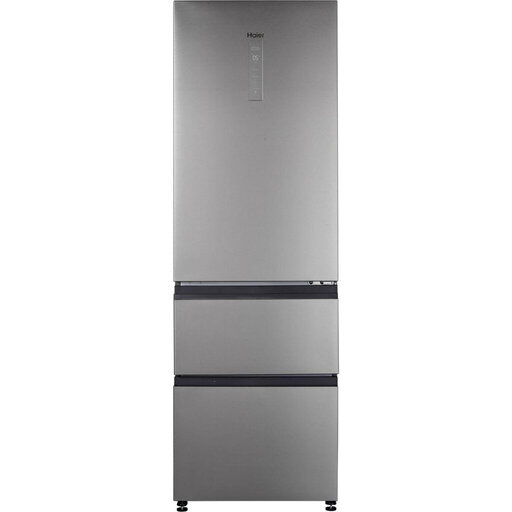 Image unavailable
Worth considering if you need a fridge freezer to replace an appliance that runs continuously.
This three-door Total No Frost model is listed with an E energy rating. Check its energy label and the space needed for installation, then compare it with fridge freezers of a similar capacity.
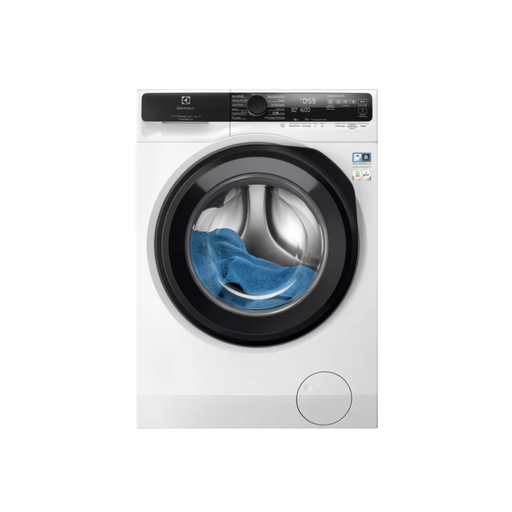 Image unavailable
Worth comparing if you do laundry frequently and a 9 kg capacity suits your loads.
The listing specifies a 1,600 rpm spin speed, along with SteamCare, SmartSelect and Connected features. To assess its energy consumption, check the model’s energy label and the Eco 40-60 programme data. Also check its durability index.
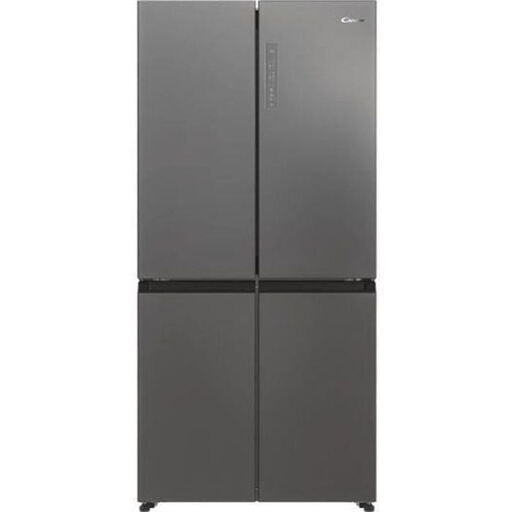 Image unavailable
Worth considering if your household genuinely needs a large amount of storage for fresh and frozen food.
The listing specifies four doors, Total No Frost and an E energy rating. Check the annual consumption on the energy label and compare it with models of a similar capacity. Also make sure the doors can open fully in your kitchen.
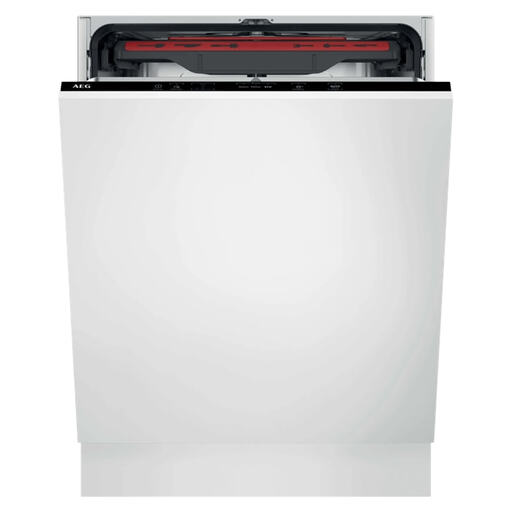 Image unavailable
Worth considering if you run dishwasher cycles frequently and a capacity of 14 place settings suits your needs.
The listing specifies a C energy rating. Check the eco programme data and the model’s repairability index. Confirm the installation dimensions before buying: the width details in the title and description differ.
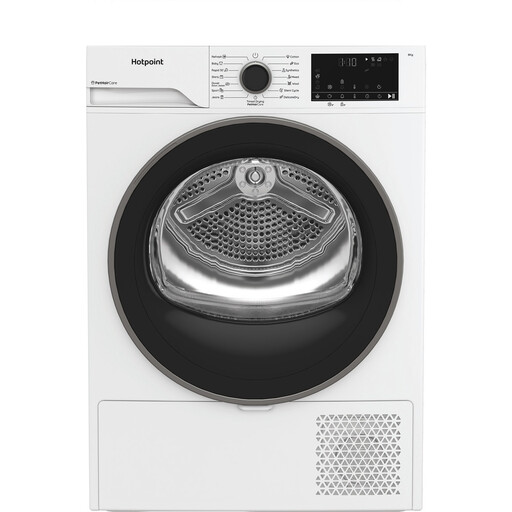 Image unavailable
Worth comparing if your household uses a tumble dryer frequently and an 8 kg capacity meets your needs.
The listing specifies a C energy rating. Check the energy label to compare standardised consumption and programme duration with tumble dryers of a similar capacity. Bear in mind how often you actually use a dryer.
No, not directly. According to the European Commission, washing machine figures are based on 100 Eco 40-60 cycles, while dishwasher figures relate to the eco programme. How often you run cycles, your loads and the programmes you use all affect how your consumption compares with this reference use.
No. In France, ADEME says the durability index has applied to washing machines since April 2025; the ministry responsible for the ecological transition provides a repairability index for dishwashers. Check which index applies to the category and model you’re considering.
Yes. Getting a diagnosis can help you weigh up repair and replacement without assuming one option is always better. Check the warranty first. For certain products that are out of warranty, the Ministry of the Economy offers a repair bonus subject to conditions, including using an approved repairer.
Use a take-back or collection scheme rather than putting it in general waste. The ministry responsible for the ecological transition describes a ‘one-for-one’ take-back when you buy an appliance of the same type. Depending on your circumstances, you could also take it to a collection point or recycling centre.