
Livraison le jour même ou le lendemain

Qualité garantie

Débloquez vos offres de bienvenue: Livraison GRATUITE | Jusqu'à -80 % | 30 jours d'essai gratuits à JoyPlus
Téléchargez l'application
Looking for a whey protein powder to complement your diet, but finding packaging full of competing claims: fast absorption, low sugar content, premium blends or optimised recovery? In reality, two powders offering a similar amount of protein can have very different ingredients, formats and intended uses.
Joybuy’s Product Recommendation Officer selection is based on practical, easy-to-check criteria: protein content, source type, allergens, format, number of servings and how well the ingredients match the intended use.
A large tub does not guarantee a high number of servings. To compare products properly, look at the total weight, serving size and stated number of servings. A 30 g serving and a 32 g serving do not allow you to compare the price of each shake directly.
The most useful approach is to calculate the cost per serving or per 100 g. This allows you to compare both larger formats, such as bags weighing more than 2 kg, and smaller packs designed for trying a new flavour.
Whey isolate is a form of whey protein, but many products combine isolate, concentrate and hydrolysate. This blend is not necessarily a bad sign: it may offer a more suitable texture, flavour or price.
The best approach is to check the ingredients list and nutritional information. Depending on the recipe and flavour, a formula may have a high protein content while also containing more carbohydrates, fat, sweeteners or thickeners.
Whey protein is generally made from milk. Some products also contain soya lecithin. Depending on the flavour, the label may also indicate the possible presence of gluten, eggs, peanuts or nuts.
If you are looking for low-sugar whey, check the “of which sugars” line per serving, rather than relying solely on the claims displayed on the front of the pack. If you have an allergy, intolerance or particular health condition, read the labelling carefully and seek advice from a healthcare professional.
For use as a protein food supplement, compare the amount of protein per serving as well as per 100 g. In this selection, servings generally provide between 22 and 24 g of protein.
This figure should always be considered in relation to the serving size. A 30 g serving providing 23 g of protein is not exactly comparable with a 32 g serving providing 24 g.
The terms “fast” and “slow” are not enough on their own to make a choice. Your diet as a whole, your schedule and your digestive tolerance also need to be taken into account.
A protein shaker makes it easy to mix a serving with water or milk. The products featured here generally recommend between 180 and 300 ml of liquid, depending on the formula. Individual sachets fit easily into a bag, while a large tub means you do not need to replenish your supply as often when you use protein regularly.
Always follow the serving size stated on the packaging. A food supplement is not a substitute for a varied diet or a balanced lifestyle.
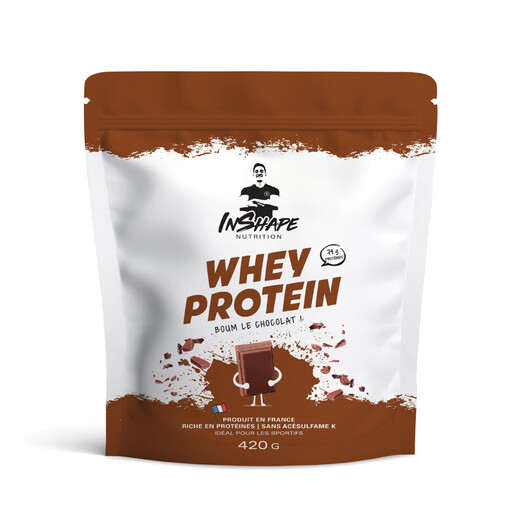
Why this choice suits this profile : At 420 g, this format lets you get started without committing to a large pack straight away. The stated 30 g serving provides 22.2 g of protein and can be prepared with water or milk.
The number of servings and nutritional values per serving are clearly stated, making it easier to estimate the true cost. The presence of milk is also clearly indicated.
22.2 g of protein per serving, 1.4 g of fat and 2.1 g of sugars per stated serving.
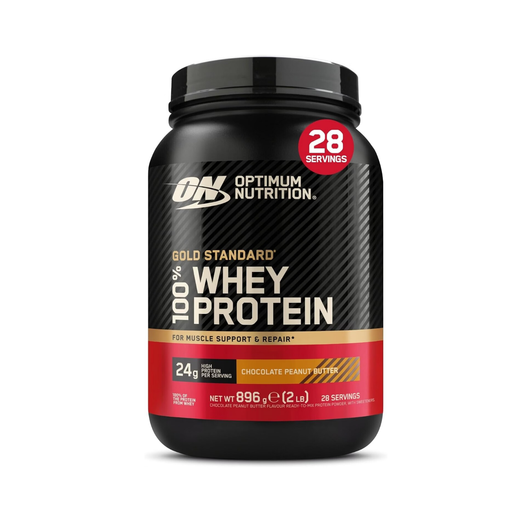
Why this choice suits this profile : This formula combines isolate, concentrate and hydrolysed isolate. It is aimed at those who want to examine a detailed ingredient profile while enjoying an indulgent flavour in a mid-sized format.
The nutritional information states 24 g of protein, 1.0 g of sugars and 1.3 g of fat per 32 g serving. Milk and soya are listed as allergens.
24 g of protein per serving, fewer than 120 kcal stated and 28 servings per pack.
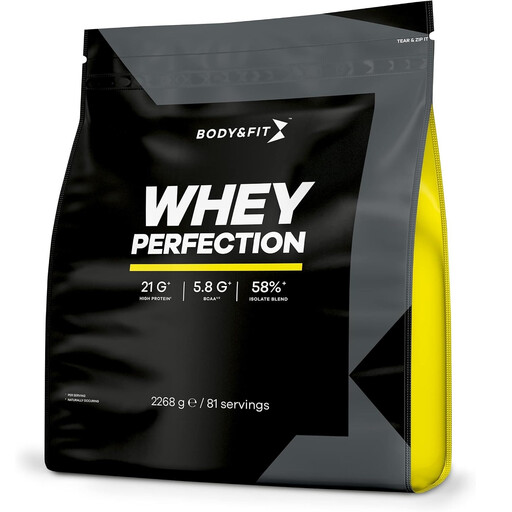
Why this choice suits this profile : With around 81 servings, this format suits frequent use at home or after training. The powder can also be added to a smoothie, porridge or recipe.
The price should be considered in relation to the 81 servings, not just the weight of the bag. The recipe also states that it contains no aspartame or cyclamate.
22 g of protein, 1.5 g of sugars and 1.6 g of fat per stated 28 g serving.
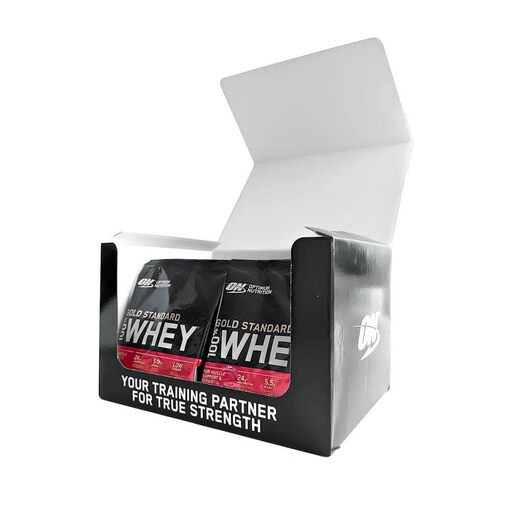
Why this choice suits this profile : Individual sachets fit easily into a gym bag, desk drawer or suitcase. They save you from carrying a large tub and can even be mixed in a glass with a simple spoon.
Each sachet corresponds to one stated serving, helping to prevent dosing errors when travelling. The labelling indicates the presence of milk and soya.
24 g of protein per 31 g sachet and a pack of 24 ready-to-use servings.
We have brought together a complete, real-time updated selection of products that meet these strict criteria and European safety requirements.
Follow the serving size stated on the packaging and add it to the recommended volume of liquid. Pour in the water or milk first, then add the powder: this helps to prevent lumps. A shaker is the most practical solution, but some individual servings can also be mixed in a glass using a spoon.
Check the best-before date and batch number printed on the packaging. After opening, close the container carefully and store it in a cool, dry place away from moisture. Powder whose smell, colour or texture has changed should not be consumed.
Whey comes from milk and is therefore not suitable for a vegan diet. If you are looking for vegan plant protein, choose pea- and rice-based blends, while checking for any possible traces of allergens. Whey isolate may have a different composition from concentrate, but it is still a dairy protein. If you have lactose sensitivity or a particular medical need, seek professional advice before making a purchase.