
Livraison le jour même ou le lendemain

Qualité garantie

Débloquez vos offres de bienvenue: Livraison GRATUITE | Jusqu'à -80 % | 30 jours d'essai gratuits à JoyPlus
Téléchargez l'application
Looking for a whey protein to supplement your diet, prepare a post-workout shake or increase your daily protein intake? With powders, ready-to-drink beverages, whey isolate, whey concentrate and plant-based formulas to choose from, it is not always easy to know where to start.
Some marketing claims nevertheless deserve a closer look. Seeing “BCAA” on the label, a claim of ultra-fast absorption or an indulgent flavour is not enough to determine whether a product is genuinely right for you. Here are the criteria to check before ordering a protein powder or food supplement.
A 2 kg pouch does not necessarily contain twice as much protein as a smaller pack with a comparable composition. To compare two products, look at the protein content per 100 g, as well as the amount provided per serving.
Some whey products contain around 74 to 79 g of protein per 100 g, while others contain more flavourings, thickeners or carbohydrates. The price per kilo remains a useful indicator, but it should be considered alongside the actual amount of protein contained in the product.
The claim “no added sugar” does not necessarily mean that the product contains no sugar at all. Check the nutritional table, both per 100 g or 100 ml and for the serving you actually consume.
For example, Barebells milkshakes provide 24 g of protein per 330 ml bottle, with around 198 kcal and 9.2 g of sugars. They are marketed as having no added sugar, but contain sweeteners as well as a small amount of lactose, reduced through the addition of lactase. This distinction matters if you are carefully monitoring your carbohydrate intake.
Whey protein comes from milk. Even a lactose-free protein may therefore be unsuitable for people who are allergic to milk proteins. It is important to distinguish between:
Reading the full ingredients list and allergen information is essential before placing your order.
For a protein intended for weight training or general sports use, start by comparing the amount of protein per serving. The products featured here generally provide 22 to 24 g per serving, depending on the serving size.
The ingredients list can also help you identify the type of formula:
Two products that provide 24 g of protein per serving are not necessarily equivalent. Serving size, carbohydrate and fat content, sweeteners and allergens should also be taken into account when comparing them.
Protein powder is convenient at home, in the office or in your gym bag, provided you have a shaker and a liquid to hand. The serving sizes for the products in this selection are generally around 30 g of powder mixed with 180 to 300 ml of water or milk.
A ready-to-drink beverage focuses on convenience: there is no need to measure powder or mix anything. However, this format is heavier to carry and must be stored according to the instructions on the packaging. Once opened, Barebells milkshakes should be refrigerated and consumed within 24 hours.
Consuming protein after exercise can help you meet your daily requirements, but it does not replace a varied diet. Muscle growth and maintenance also depend on training, overall energy intake and recovery.
Follow the recommended serving on the label. If you are pregnant or breastfeeding, taking medication, living with a known medical condition or have specific nutritional needs, seek advice from a healthcare professional. Products intended to support the nutritional management of a medical condition, such as certain casein-based powders, should be used according to their instructions and, where necessary, under medical supervision.
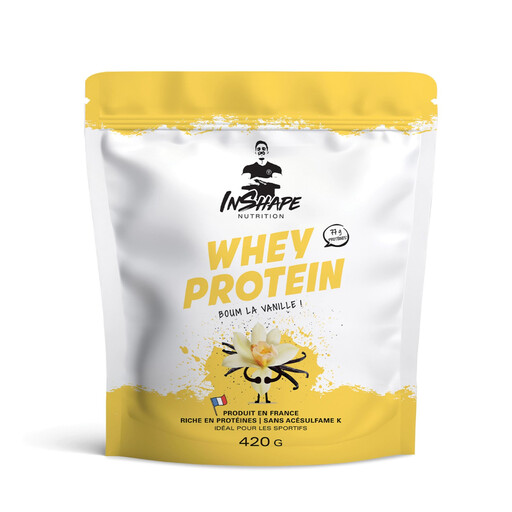
Why this choice suits this profile: At 420 g, this product lets you try a vanilla-flavoured whey concentrate without committing to a large pack straight away. Each 30 g serving provides 23.1 g of protein, 1.3 g of fat and 2.6 g of sugars, according to the information supplied.
The protein content per serving and nutritional values are clearly stated, making it easier to compare with other protein powders.
23.1 g of protein per serving, can be mixed with water or milk, manufacturer listed in France.
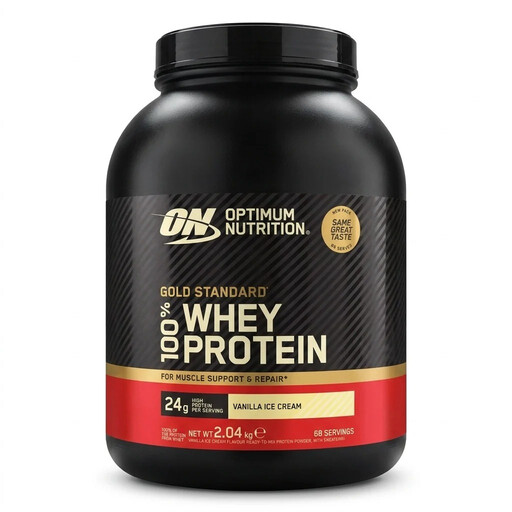
Why this choice suits this profile: Its large format is aimed at regular users who consume a serving of whey several times a week. The formula combines isolate, concentrate and hydrolysed isolate, with 24 g of protein per 30 g serving.
The number of servings and the blend composition are clearly stated, so you do not have to rely on promotional claims alone.
24 g of protein per serving, 1 g of sugars and 1.3 g of fat per serving according to the information provided.
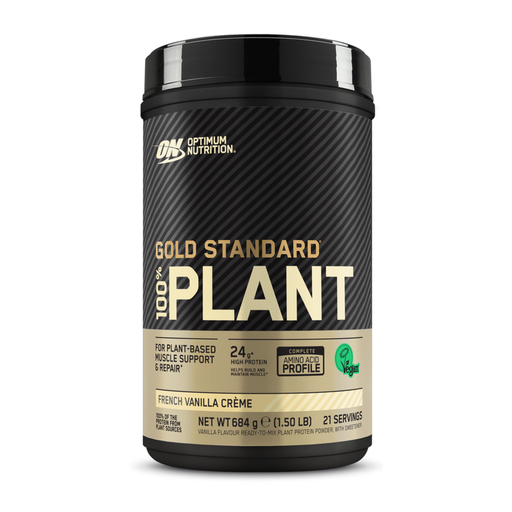
Why this choice suits this profile: This plant protein combines pea and rice proteins. It is suitable for vegetarian and vegan diets and provides 24 g of protein per 32 g serving.
The protein sources are clearly stated. This helps you avoid accidentally choosing a dairy-based formula when you are looking for a plant-based option.
24 g of protein, pea and rice blend, 684 g format and a formula marketed as 100% plant-based.
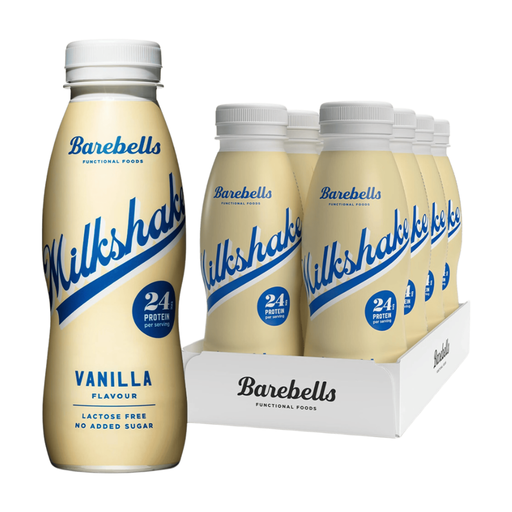
Why this choice suits this profile: This ready-to-drink bottle slips easily into your bag for consumption after a workout, at work or while travelling. Each bottle contains 24 g of protein. The formula is marketed as lactose-free and with no added sugar.
The ready-to-drink format avoids inaccurate measuring and the need to buy a shaker separately, while displaying the nutritional values per bottle.
Pack of 8 bottles, 24 g of protein per bottle, refrigerate after opening.
We have put together a comprehensive, real-time updated list of products that fully meet these strict selection criteria and European safety regulations.
There is no compulsory time or magic window to follow. Whey can be consumed after exercise, at breakfast or between meals when your diet is not enough to meet your protein needs. What matters most is your total intake for the day.
Whey isolate is generally more extensively filtered and may contain less lactose and fat, depending on its formulation. Whey concentrate has a more variable composition. In both cases, check the nutritional table and ingredients list rather than relying solely on the product name.
As long as the product remains sealed and is stored in a cool, dry place away from light, refer to the best-before date shown on the packaging. Once opened, close the container securely and use the powder in accordance with the manufacturer’s recommendations. Ready-to-drink shakes follow different storage rules: in particular, refrigerate them after opening.