
Livraison le jour même ou le lendemain

Qualité garantie

Débloquez vos offres de bienvenue: Livraison GRATUITE | Jusqu'à -80 % | 30 jours d'essai gratuits à JoyPlus
Téléchargez l'application
Looking for whey protein for weight training, fitness or simply to increase your daily protein intake? On paper, the choice seems straightforward. However, with labels that can sometimes be difficult to decode, marketing claims, different types of whey, flavours and XXL formats, the price displayed is not enough to compare products.
Here are the criteria to consider when choosing a protein supplement suited to your diet, training routine and budget.
A 2 kg pack may seem particularly good value, but first check the serving size and the number of servings shown. A 28, 30 or 32 g serving will not provide the same number of shakes. To compare two products, calculate the price per serving or, even more usefully, the price for 20 g of protein.
Phrases such as “fast absorption”, “premium” or “advanced formula” are no substitute for reading the nutrition table. Instead, look at the amount of protein per serving, carbohydrates, sugars, fat and the ingredients list. The presence of an isolate in a recipe does not necessarily mean that it is a pure whey isolate.
Most whey products are made from milk. Some may also contain soya, gluten or traces of eggs and nuts. Vanilla, chocolate and strawberry flavours sometimes include thickeners and sweeteners. If you have a known allergy or sensitivity, take the time to check the label.
For whey intended to supplement a diet suited to sporting activity, compare the content per serving and per 100 g. In the selection presented here, products generally provide between 22 and 24 g of protein per serving, with servings weighing 28 to 32 g.
Protein contributes to the maintenance and development of muscle mass as part of a suitable diet and regular training. Powder is not a miracle solution: it remains a supplement to a varied diet.
If you are looking for a low-sugar whey, compare the “of which sugars” line rather than relying solely on the “low sugar” claim. In this selection, products generally contain between 0.9 and 2.1 g of sugars per serving, depending on the flavour and composition.
The energy content is often around 100 to 123 kcal per serving. However, preparing your shake with milk, dried fruit or oats will noticeably increase the total calorie content.
A small 300 to 450 g pouch lets you try a flavour without immediately investing a substantial amount. A 2 to 4.53 kg format can reduce the cost per serving, but only if you use the product regularly and are certain you will enjoy the flavour you choose.
After opening, store the powder in a cool, dry place away from light. Close the container carefully to limit moisture and the formation of clumps. Individual sachets are particularly convenient at the office, while travelling or for workouts away from home.
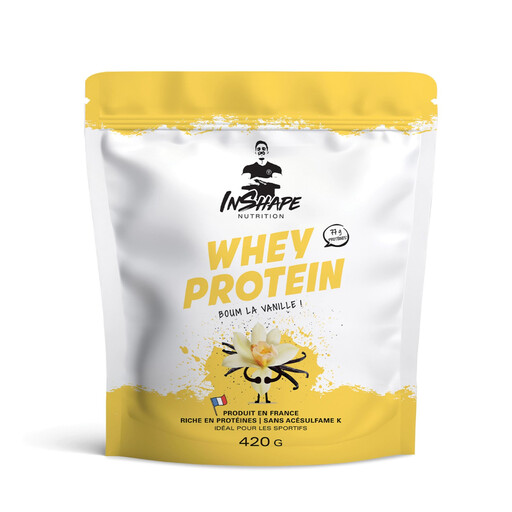
Why this choice suits this profile: At 420 g, this format keeps the initial investment down and lets you try a vanilla whey before moving, if you enjoy the flavour, to a larger pack.
The product details state 23.1 g of protein per 30 g serving, together with 2.6 g of sugars and 1.3 g of fat. This concrete information makes it possible to compare the product beyond the advertising message.
23.1 g of protein per serving, vanilla flavour, preparation with water or milk, and stated manufacture in France.
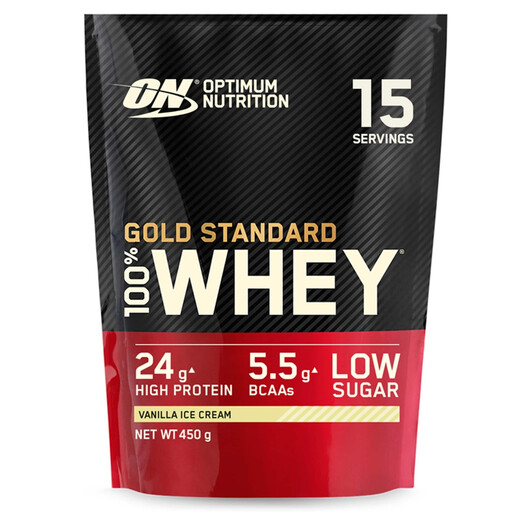
Why this choice suits this profile: Its formula combines isolate, concentrate and hydrolysed isolate, providing 24 g of protein per serving of approximately 30 g.
The detailed composition helps distinguish the genuine protein blend from general claims about quality or rapid absorption.
24 g of protein, approximately 1 g of sugars per serving and Vanilla Ice Cream flavour.
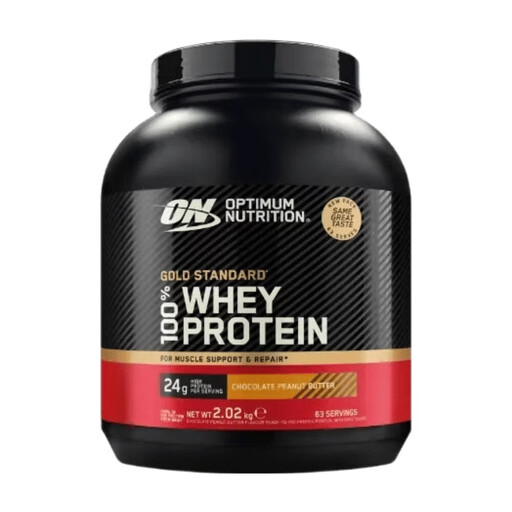
Why this choice suits this profile: With its large 2 020 g format and 63 stated servings, this product is suitable for those who have protein after training several times a week.
The number of servings, 32 g serving size and stated values — 24 g of protein, 1.3 g of fat and 1 g of sugars — make it easier to assess the cost per use.
Large, economical format, 24 g of protein per serving and Chocolate Peanut Butter flavour.
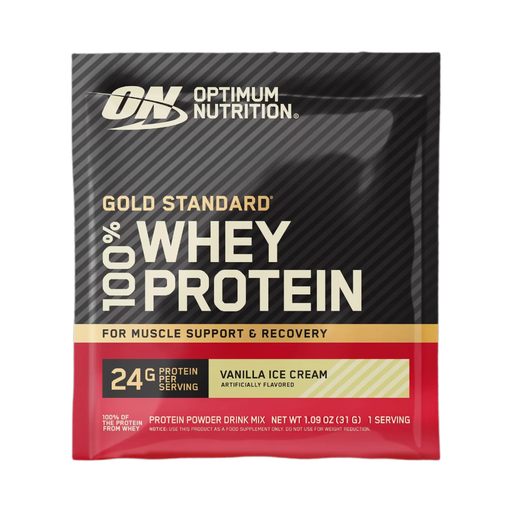
Why this choice suits this profile: The individual 31 g servings fit easily into a gym bag, desk drawer or piece of luggage. There is no need to carry the whole pack.
Each sachet contains one stated serving. This helps prevent measuring errors and limits the powder’s exposure to moisture while you are travelling.
24 g of protein per sachet, preparation with a glass and spoon, and a format perfectly suited to travelling.
We have put together a complete, real-time updated list of products that meet these demanding selection criteria and European safety regulations.
Most products mix with 180 to 250 ml of water or milk, depending on the texture you prefer. A shaker is generally all you need, although a spoon can work well with individual sachets. Taking whey after training is very common, but it can also supplement breakfast or a snack when your diet does not provide enough protein.
Follow the serving instructions on the packaging and do not replace a varied diet with shakes. If you have a milk allergy, are taking medication, are pregnant or breastfeeding, seek advice from a healthcare professional before use.
Whey isolate is generally higher in protein and contains less lactose, carbohydrates or fat, depending on how it is made. Whey concentrate retains more of the components naturally found in milk. To compare two products, refer to the label of the product you are considering: formulas can vary.
Follow the date shown on the packaging and the manufacturer’s instructions. Close the container after each use and store it in a dry place away from heat and light. An unusual smell, high moisture levels or a visible change in the powder should prompt you not to consume it.
It can be a convenient way to supplement a meal or snack, but its value for money depends on the price per serving, protein content and format chosen. Compare these factors with the foods you usually eat, rather than automatically choosing the largest pack.