
Livraison le jour même ou le lendemain

Qualité garantie

Débloquez vos offres de bienvenue: Livraison GRATUITE | Jusqu'à -80 % | 30 jours d'essai gratuits à JoyPlus
Téléchargez l'application
Between mixable powder, ready-to-drink protein milkshakes and whey isolate, it is not always easy to know which option is right for you. Packaging often highlights the number of grams of protein without clearly stating the serving size, ingredients or storage conditions.
To make a choice that genuinely suits you, focus on three points: how much you will actually consume, your tolerance of different ingredients and the format that is most convenient for everyday use. This approach will help you find a whey protein suited to weight training, regular sports activity or, quite simply, an additional source of protein.
A powder may contain 22 or 24 g of protein per serving, but serving sizes vary from one product to another. A 28 g serving cannot therefore be compared directly with a 37 g serving. Also check the carbohydrates, sugars, fat and calories per serving.
A low-sugar product may be useful if you are monitoring your calorie intake, but this alone is not enough to assess its overall nutritional quality. Protein powder remains a supplement to a varied diet: it is not intended to systematically replace a meal.
Most whey concentrate and whey isolate products are made from milk. Some recipes also contain soya lecithin, thickeners or sweeteners. The « lactose-free » claim should be checked on the product page: standard whey is not automatically suitable for people who are sensitive to lactose.
In the event of an allergy, do not rely solely on your dietary preferences. Check the full ingredients list, highlighted allergens and any statement about possible traces on the packaging.
A large bag or tub often lowers the price per serving, but it requires a dry storage space and regular consumption. By contrast, a ready-to-drink protein shake is easy to slip into a bag, but it takes up more room and must be stored according to the manufacturer's instructions.
The right format is above all the one you will actually use: powder to prepare at home, a bottle to drink after the gym or a shaker to take with you when travelling.
Whey concentrate generally retains more of the components naturally found in milk, while whey isolate undergoes more extensive filtration. Some formulas also combine concentrate, isolate and hydrolysate. Do not stop at the product name: check the proportions and the order in which the ingredients appear.
Among the products featured here, Body & Fit Whey Perfection combines isolate, concentrate and hydrolysate. In its Cookies & Cream version, it provides 22 g of protein per 28 g, with 100 kcal, 1.5 g of carbohydrates and 1.5 g of sugars per serving, according to the information provided.
For a post-workout protein, always compare the recommended serving with the amount you will actually consume. Information available for several Barebells drinks indicates 24 g of protein per 330 ml bottle, around 198 kcal and no added sugar. These drinks are described as lactose-free, but contain milk, so they are not suitable for people with a milk protein allergy.
The label may also mention BCAAs or glutamine naturally present in milk. Their presence alone does not guarantee effectiveness for every user.
Powder is generally mixed with water or milk. For Whey Perfection Cookies & Cream, the recommendation is to mix 28 g of powder with 250 ml of liquid. The result then depends on the amount of liquid, its temperature and the quality of the mixing.
A protein shaker fitted with a metal ball can help minimise lumps. The Optimum Nutrition Plus Shaker has a capacity of 600 ml, a stainless-steel mixing ball, a screw-on lid and a flip cap. After each use, follow the washing instructions and leave the container open to dry, preventing odours from developing.
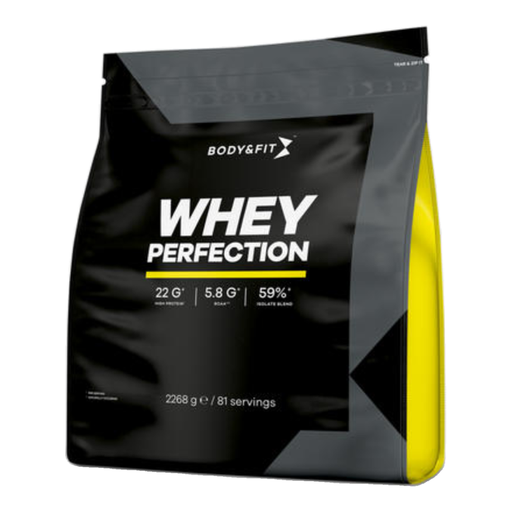
Why this choice suits this profile : This large pack is ideal for people who regularly prepare their powder at home and want to avoid having to replace a small pack too often.
The stated serving size is clearly set at 28 g. The product page also specifies the presence of milk and soya, making it easier to check the allergens before buying.
2.268 kg, up to 22 g of protein per serving depending on the product, and preparation with water, milk, oat flakes or a homemade recipe.
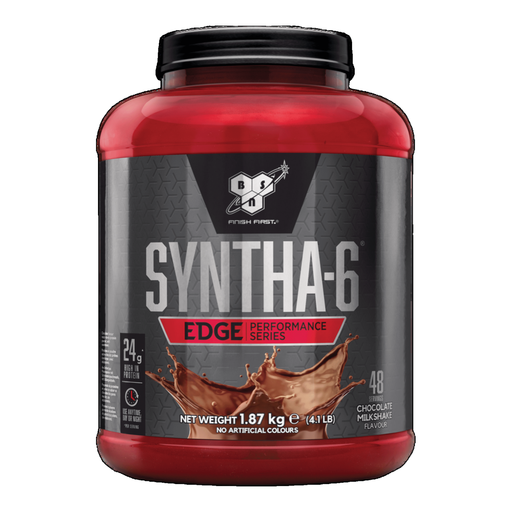
Why this choice suits this profile : Its formula combines several sources of dairy protein and provides 24 g of protein per 37 g serving. It is aimed at users looking for a more sophisticated formula.
The serving size, ingredients and allergens are clearly detailed. However, bear in mind that it contains milk and soya, as well as sweeteners.
24 g of protein per serving, a stated low sugar content and preparation with 120 to 150 ml of water or milk.
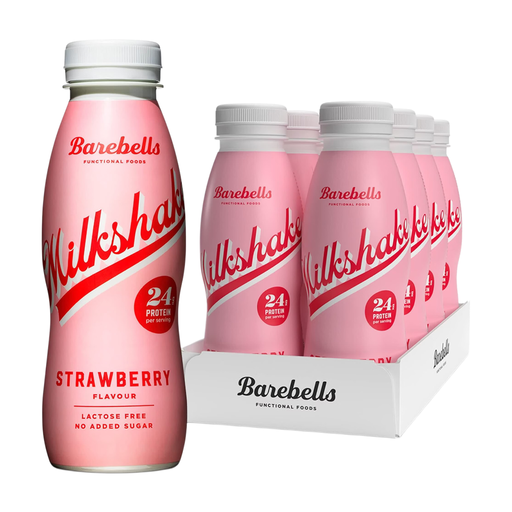
Why this choice suits this profile : This lactose-free protein drink is easy to take with you and is ideal for days when preparing a shake is not an option.
The 330 ml volume and amount of protein per bottle are clearly stated. However, the lactose-free claim does not remove the milk allergen, which should be taken into account depending on your circumstances.
24 g of protein per bottle, no added sugar according to the product page and simple storage before opening.
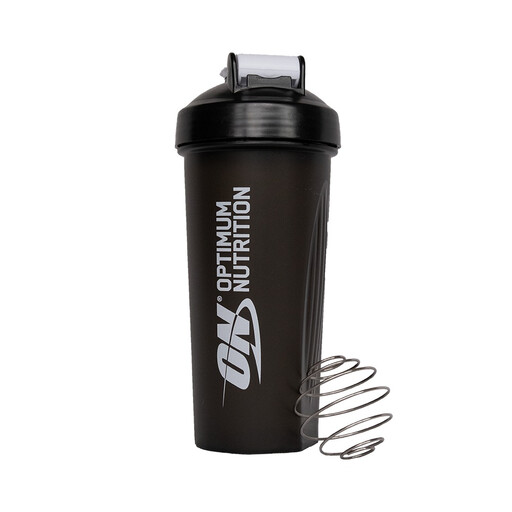
Why this choice suits this profile : This accessory is designed for people who move between the gym, work and travelling, with the option to prepare their drink directly in the container.
Its 600 ml capacity and screw-on lid are clearly stated. Regular washing is still essential to keep the shaker clean and pleasant to use.
Stainless-steel mixing ball, stated leak-proof lid and materials specified as BPA- and DEHP-free.
We have selected a comprehensive range, updated in real time, of products that meet these demanding criteria and European safety regulations.
A high-protein supplement can help make up for an insufficient dietary intake, but requirements vary according to age, physical activity, diet and health. If you are undergoing medical treatment, pregnant, breastfeeding or have a health condition, seek advice from a healthcare professional.
Whey isolate is more finely filtered than whey concentrate and may contain a higher proportion of protein, depending on its formulation. Both generally come from milk. To compare them properly, check the protein content, sugars, fat and allergen list.
This is possible provided you follow the product recommendations and maintain a varied diet, adapting the amount to your daily intake. A protein milkshake does not automatically replace a complete meal. Also remember to check its sweetener, salt and calorie content.
The date shown on the packaging remains the reference, provided you follow the storage instructions. Close the tub or sachet carefully, protect the powder from moisture and use a clean, dry measuring scoop. If the smell, texture or colour seems unusual, it is best not to consume the product.