
Livraison le jour même ou le lendemain

Qualité garantie

Débloquez vos offres de bienvenue: Livraison GRATUITE | Jusqu'à -80 % | 30 jours d'essai gratuits à JoyPlus
Téléchargez l'application
To increase your daily protein intake, support your weight-training sessions or prepare a post-workout drink, whey protein remains a convenient option. But between nutrition tables and marketing claims, it is not always easy to know what to look for. A powder that provides a high number of grams per serving is not necessarily the best fit for your diet. And a large tub quickly loses its appeal if you do not like the flavour.
Here are the criteria to consider before buying whey protein, along with a selection of formats suited to different uses.
A 2 kg pack may seem like a good deal, but the total weight does not tell you everything. Instead, look at the number of servings, the serving size and the protein content per 100 g. A formula providing 24 g of protein per 30 to 32 g serving cannot be compared directly with another providing 21 or 22 g per 28 g serving.
For a fairer price comparison, calculate the cost per serving or the price per 100 g of protein. The weight shown on the pack is not enough.
Whey isolate is generally presented as a filtered protein containing fewer carbohydrates and less fat than whey concentrate. It may therefore suit people who monitor these nutrients closely. That said, a blend of isolate, whey concentrate and hydrolysed whey can be perfectly suitable for everyday use.
The full composition, protein content, sugars and allergens should take priority over the word highlighted on the front of the pack.
Whey-based products contain milk. Some also include soya lecithin, sweeteners, thickeners or different flavourings. An enjoyable flavour makes regular consumption easier, but anyone with allergies must always check the ingredients list and any ‘may contain traces of’ warnings.
When choosing a protein to support muscle gain, start with the ‘protein’ line in the nutrition table. The products featured here provide approximately 21 to 24 g of protein per serving, depending on the product and serving size.
As part of a suitable diet and regular training, protein contributes to the growth and maintenance of muscle mass. This claim is regulated at European level, notably through EFSA references. It does not mean that powder replaces meals or that it is, on its own, enough to achieve a physical result.
A low-sugar whey can be useful if you are looking to limit added carbohydrates in your snacks. Depending on the flavour and serving size, the products in this selection contain approximately 0.8 to 2.6 g of sugars per serving, providing between 100 and 123 kcal.
However, remember to check the flavour you choose. A recipe containing biscuit pieces or certain flavourings may have a different nutritional profile from the plain or vanilla version.
How easily the powder mixes also depends on the emulsifier, thickener and liquid used. Follow the quantity recommended on the label rather than automatically adding more powder.
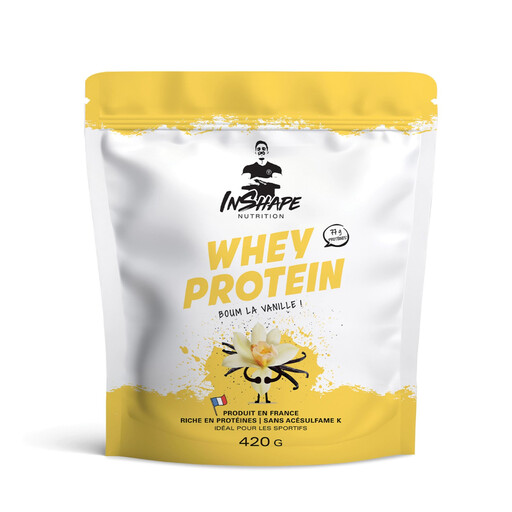
Why this choice suits this profile : At 420 g, this format lets you try a protein powder without tying up a large amount of money or taking up cupboard space with an XXL bag.
The serving size, approximately 30 g, is clearly stated. The label also provides values per 100 g and per serving, making comparisons easier.
23.1 g of protein per serving, 1.3 g of fat and simple preparation with 200 ml of water or milk.
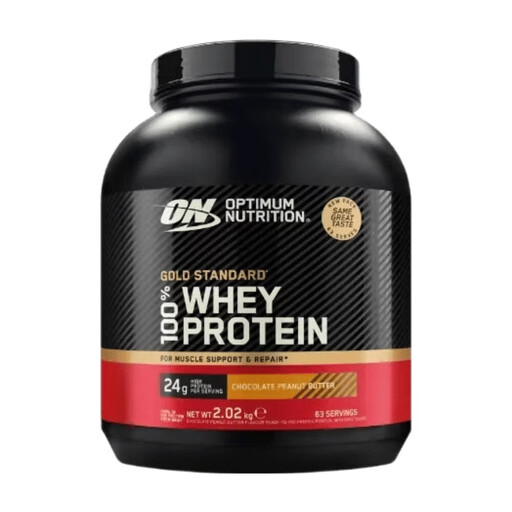
Why this choice suits this profile : Its large format is designed for regular athletes who want to make whey part of their routine without having to reorder every few weeks.
The product details break down the blend of isolate, concentrate and hydrolysed isolate, together with the nutritional values for a 32 g serving.
24 g of protein, 1 g of sugars and 1.3 g of fat per serving, with 63 servings advertised.
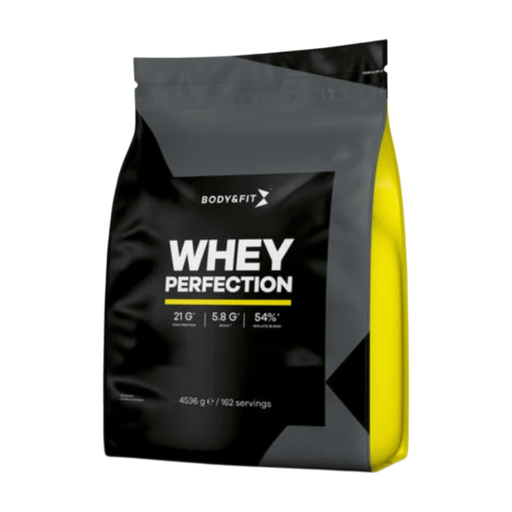
Why this choice suits this profile : Advertised as making 162 shakes, this large pack is aimed at people who regularly consume protein after training or between meals.
The pack size is clearly shown alongside the number of servings. The recommended serving remains set at 28 g, making it easier to monitor your intake.
21 g of protein per serving, approximately 105 kcal and a recipe that works just as well in drinks as in porridge or certain homemade recipes.
We have brought together a complete, real-time updated selection of products that meet these strict criteria as well as European safety requirements.
The most common preparation is to mix a 28 to 32 g serving with 180 to 250 ml of water or milk, depending on the texture you want. A tightly sealed shaker helps prevent lumps from forming. If you prefer a thinner drink, gradually increase the amount of liquid.
You can have your whey after training, in the morning or between meals. The best time mainly depends on your routine and your total protein intake. There is no need to take multiple servings if your diet already covers your needs.
The BCAAs naturally present in whey form part of the amino acid profile of many whey products. On their own, they do not guarantee better muscle recovery. Follow the manufacturer’s recommendations and do not exceed the stated daily serving.
The products featured generally recommend one to three servings per day, depending on the product. The appropriate amount depends on your diet, physical activity and individual needs. Whey remains a food supplement intended for athletes, not a substitute for a varied diet.
No. Isolate may be suitable if you are looking for lower carbohydrate or fat content. However, a whey concentrate or blend may be more suitable depending on your tastes, budget and everyday use. Always compare the nutrition table and ingredients list.
Check the date shown on the packaging. Once opened, keep the tub or sachet tightly closed in a cool, dry place away from light and moisture. Do not use powder if its smell, texture or appearance has changed.