
Livraison le jour même ou le lendemain

Qualité garantie

Débloquez vos offres de bienvenue: Livraison GRATUITE | Jusqu'à -80 % | 30 jours d'essai gratuits à JoyPlus
Téléchargez l'application
Looking for a whey protein for weight training, running or simply increasing your daily protein intake? At first glance, the choice seems straightforward. However, between whey protein powder, whey isolate and whey concentrate, the differences can affect the price, texture, digestion and the number of servings you actually get.
Before placing your order, take the time to look beyond the claims printed on the packaging. Here are the criteria that really matter, helping you avoid unnecessary purchases and choose a supplement suited to your lifestyle.
A powder labelled “80% protein” is not necessarily the best match for your needs. You need to look at the amount of protein per serving, as well as the serving size. A 30 g serving providing 24 g of protein is not directly comparable with a 40 g serving providing 25 g.
Also check the ingredients list. Whey concentrate may contain more carbohydrates and fat than whey isolate. Flavoured versions sometimes include thickeners or sweeteners that can affect the texture and taste.
A bag weighing several kilograms often brings down the price per serving. However, you need to have enough storage space and be sure you will not quickly tire of the flavour you choose. Smaller tubs and whey sachets are more convenient for trying a flavour, but their cost per serving is generally higher.
The most reliable calculation is to divide the price by the advertised number of servings, then compare the amount of protein provided by each one.
Terms such as “isolate”, “hydrolysate” and “rapid absorption” describe a raw material or manufacturing process. On their own, they do not guarantee better performance. Progress also depends on training, sleep, your overall diet and consistency.
A post-workout protein can be a convenient way to organise a snack after your session. It does not, however, replace a varied and balanced diet.
Whey concentrate retains a greater proportion of the components naturally found in milk and often offers an attractive balance between quality and price. It is suitable for people who digest dairy products well and are looking for a protein to consume regularly as part of their weight-training routine.
Whey isolate undergoes more extensive filtration. Depending on the recipe, it generally contains more protein by weight and less lactose, carbohydrates and fat. It may therefore appeal to people who monitor their intake closely or prefer a lighter drink. However, always check the label for the flavour you choose: the composition can vary from one product to another.
To compare two products, note the following information:
In the selection below, several products provide around 22 to 24 g of protein per serving, but for different serving weights. This is essential when objectively comparing chocolate, vanilla or strawberry whey.
Most products contain milk. Soya lecithin is also common, as it helps the powder mix more easily. If you are allergic to eggs, tree nuts, peanuts or gluten, read any “may contain” statements carefully.
Follow the instructions on the packaging, including the amount of powder, the volume of water or milk and storage conditions. Once opened, seal the tub or sachet carefully and store it in a cool, dry place away from light.
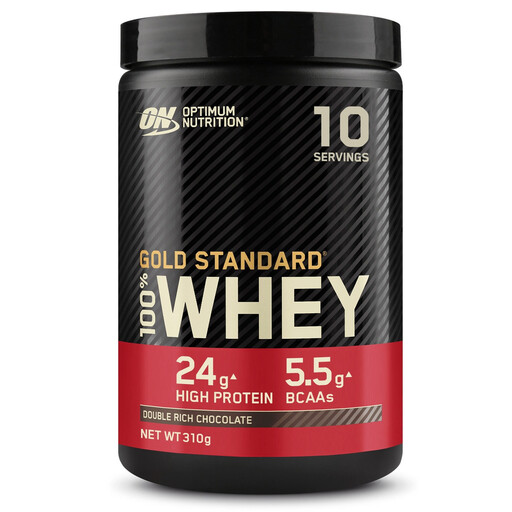
Why this is a good choice for this profile: At 310 g with 10 servings, this format lets you try a chocolate whey without immediately investing in a large container. Each serving provides 24 g of protein, according to the information provided.
The small format reduces the risk of being left with unused stock if you do not like the flavour or texture.
24 g of protein per serving, around 116 kcal and preparation with 180 to 240 ml of liquid, according to the product information.
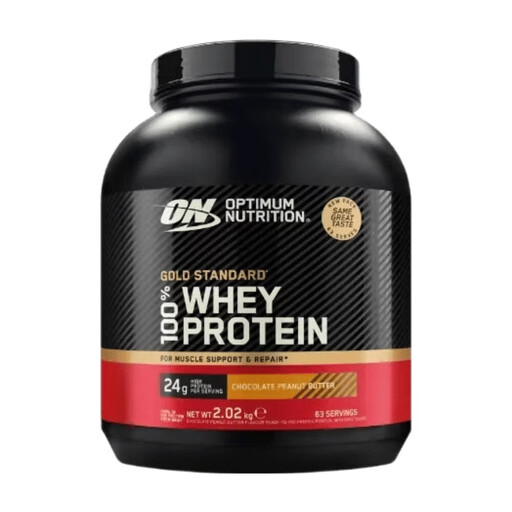
Why this is a good choice for this profile: This large format is aimed at regular users who are already familiar with the formula and flavour they enjoy.
The advertised 63 servings make it easy to calculate the cost per serving and reduce how often you need to reorder.
24 g of protein, 1,3 g of fat and 2,2 g of carbohydrates per 32 g serving, according to the information provided.
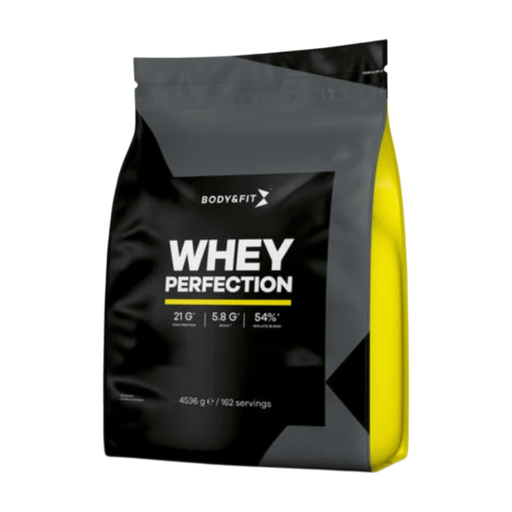
Why this is a good choice for this profile: With 162 advertised shakes, this format is designed for regular users who also add their powder to smoothies, porridge or homemade recipes.
The number of servings is clearly stated, so you can check whether a bag this size genuinely matches your consumption.
21 g of protein per 28 g serving, with a blend of whey isolate, concentrate and hydrolysate.
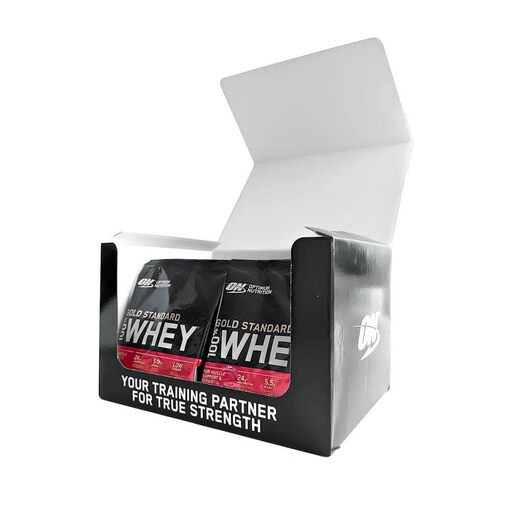
Why this is a good choice for this profile: The individual portions fit easily into a gym bag, desk drawer or suitcase, without having to carry a large tub.
Each sachet contains one serving, making portioning easier and exposing the powder to less moisture.
24 g of protein per 31 g sachet, with preparation possible in a simple glass using a spoon.
We have put together a comprehensive, real-time-updated selection of products that meet these demanding criteria and European safety regulations.
A serving can be mixed with water, milk or a drink consumed with a meal. The best time to take it mainly depends on your routine: after training, between meals or at breakfast. Muscle recovery is not determined solely by when you take it. Your total protein intake, available energy and the quality of your training programme are just as important.
If you are looking to gain mass, monitor your overall calorie and macronutrient intake rather than automatically adding several servings of whey. If you have an allergy, illness, are taking medication or have a particular health condition, ask a healthcare professional for advice. Food supplements do not replace a varied diet.
Follow the serving size stated on the product and take account of the protein you already consume in your meals. The product information for the references featured here generally mentions one to three servings per day, but this is not personalised advice.
Not necessarily. Depending on its composition, isolate may have a higher protein content and contain less lactose. Concentrate may be a better choice if you are looking for a more affordable price per serving and digest dairy products well. In all cases, compare the nutritional values rather than relying solely on the name of the formula.
Follow the date shown on the packaging, seal the container tightly and protect the powder from moisture, heat and light. An unusual smell, moisture-related lumps or a change in colour are signs that you should not consume the product.