
Livraison le jour même ou le lendemain

Qualité garantie

Débloquez vos offres de bienvenue: Livraison GRATUITE | Jusqu'à -80 % | 30 jours d'essai gratuits à JoyPlus
Téléchargez l'application
Choosing a whey protein powder isn’t just about picking a flavour and a big bag. Between the promises of fast digestion, blends with sometimes obscure ingredients, and portions that are hard to compare, you can easily end up paying more for a product that doesn’t really suit your needs.
The selection from the Joybuy Product Recommendation Officer is based on concrete, easy-to-verify criteria: protein content per serving, type of protein, allergens, format, flavour and ease of preparation.
A 2 kg bag doesn’t necessarily contain 2 kg of protein. Instead, look at the “protein per 100 g” line as well as the amount stated per serving. Some formulas, for example, provide 22 to 24 g of protein for a 28 to 30 g serving. The rest is made up of flavourings, thickeners, sweeteners and other ingredients.
To compare two products, it’s better to use this calculation:
Product price ÷ total amount of protein = approximate cost per 1 g of protein.
This method is far more telling than just the price of the tub.
Whey isolate is generally more filtered than whey concentrate and often has a higher proportion of protein. Whey concentrate, however, remains a perfectly common option for making a daily shake. The price difference should mainly be weighed against your priorities: carbohydrate and fat content, digestive tolerance, budget and frequency of use.
Products based on milk proteins may not be suitable for people with an allergy to these proteins. Also check for the presence of soya, particularly in the form of lecithin.
Phrases like “fast absorption”, “premium formula” or “optimised recovery” are no substitute for reading the nutritional information. A powder can be easy to mix while still containing a significant amount of flavourings or sweeteners. Conversely, a short ingredient list doesn’t automatically guarantee it will meet your goal.
To choose a protein powder for muscle building, focus on the verifiable data: protein content, serving size, ingredients, allergens and number of servings.
For general sports use, compare the amount of protein per serving and per 100 g. The products shown below provide around 22 to 24 g per serving, depending on the product and flavour. As part of a varied diet and appropriate training, protein contributes to the growth and maintenance of muscle mass.
A protein supplement is not a meal replacement. It can simply help you reach your daily intake when it’s not practical to cook, for example after a workout or between busy work days.
A large bag can sometimes reduce the price per serving, but only if you really like the flavour and use the product regularly. Formats of 300 to 450 g allow you to try a chocolate protein or a vanilla protein before moving to a larger pack. Individual sachets are handy for on the go, but their cost per serving is often higher.
Always follow the instructions on the packaging and store the powder in a dry, well-sealed place away from heat. After opening, check its smell, texture and best-before date before consuming.
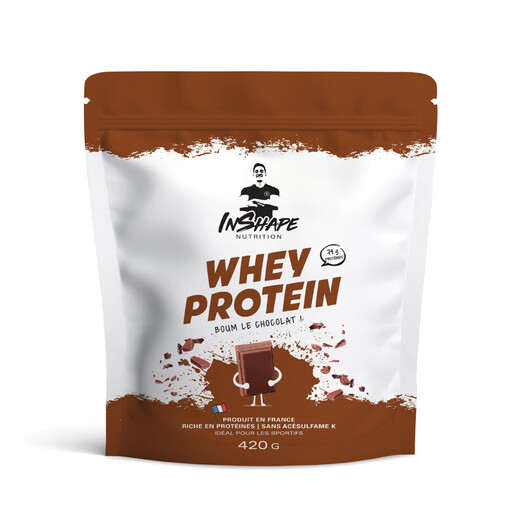
Why this choice suits this profile: At 420 g, this format lets you start gradually without committing to a large bag straight away. The chocolate flavour works well mixed with water or milk, and also in porridge.
The label shows 22.2 g of protein per 30 g serving, making it easy to compare with other formulas.
420 g, 22.2 g of protein per serving, 1.4 g of fat and 2.1 g of sugar per serving.
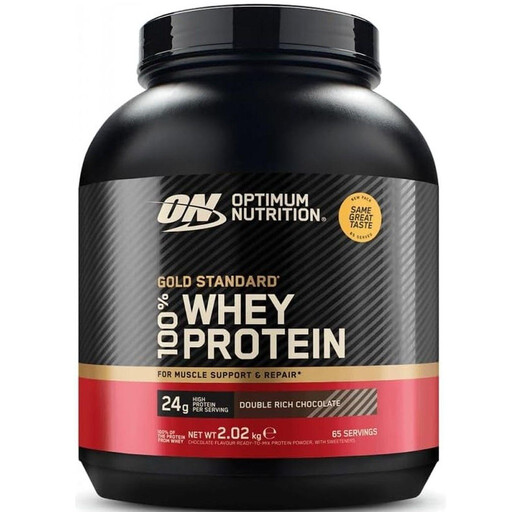
Why this choice suits this profile: This large format is aimed at regular users who make several shakes a week and want to avoid reordering too often.
The ingredients and nutritional values are detailed for a 30 g serving, which provides 24 g of protein and 116 kcal in the Double Rich Chocolate flavour.
2.02 kg, approximately 65 servings, with a blend of isolate, concentrate and hydrolysed isolate.
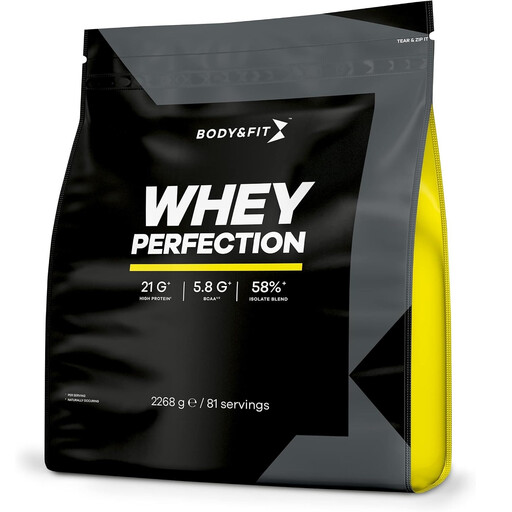
Why this choice suits this profile: With approximately 81 servings, this format is ideal for dedicated athletes, especially if the powder is also used for smoothies or recipes, in addition to post-workout shakes.
The product details the proportion of isolate, concentrate and hydrolysate rather than just mentioning a blend without specifying the amounts.
22 g of protein per 28 g serving, 100 kcal, 1.5 g of carbohydrates and 1.6 g of fat.
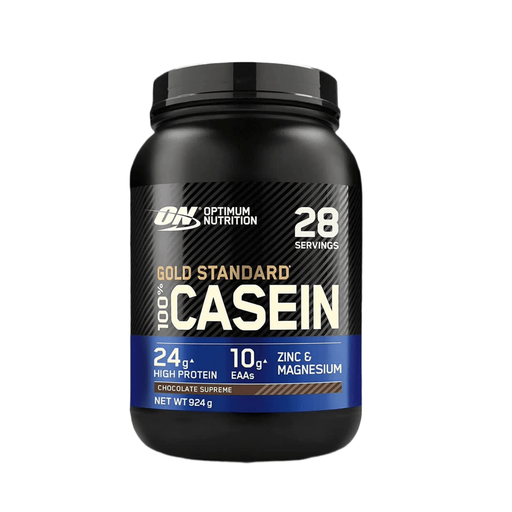
Why this choice suits this profile: Micellar casein is an alternative to whey for those looking for a slower-digesting protein, often consumed in the evening.
This is not a whey sold as a fast-assimilation protein: the label clearly states it is based on slow-digesting micellar casein.
24 g of protein per 33 g serving, 924 g total, Chocolate Supreme flavour and 0.5 g of fat per serving.
We’ve put together a comprehensive, real-time selection of products that meet these exacting criteria, while complying with European safety regulations.
Most powders are mixed with 180 to 250 ml of water or milk, depending on the desired consistency. Pour the liquid first, then add the powder to minimise lumps. A glass and a spoon can be enough for individual sachets, while a shaker makes preparation easier with a large format.
The best time to have a shake depends mainly on your routine. You can have it after training, at breakfast or between meals. As part of a bulking phase, it should fit into an overall appropriate energy and protein intake, rather than being automatically added to every meal.
It depends on the date on the packaging and the storage conditions. Keep the sachet or tub well sealed, in a dry place away from light and heat. Do not use the powder if its smell, colour or texture has changed.
Whey concentrate and whey isolate both come from milk, but their degree of filtration and composition differ. Check the nutritional values to compare the amount of protein, carbohydrates, fat and sugar per serving. The name of the formula alone isn’t enough to determine which one will suit you best.
No. A varied diet can perfectly provide protein through everyday foods. Whey is above all a convenient supplement when meals don’t easily cover your needs or when you’re looking for a quick option after a workout. If you have an allergy, are on medication or have a health condition, seek advice from a healthcare professional before use.