
Livraison le jour même ou le lendemain

Qualité garantie

Débloquez vos offres de bienvenue: Livraison GRATUITE | Jusqu'à -80 % | 30 jours d'essai gratuits à JoyPlus
Téléchargez l'application
Are you looking for a whey protein powder to supplement your meals, recover better after training, or simply increase your daily protein intake? Between whey concentrate, whey isolate, casein, plant proteins, single-serve sachets and bulk tubs, the choice can quickly become overwhelming.
Some marketing claims are also worth taking with a pinch of salt. A powder marketed as "fast-absorbing" won't necessarily be the best fit for your needs. Similarly, a large tub is only worthwhile if you genuinely enjoy its taste and texture. Finally, a low-sugar protein may contain sweeteners or polyols that you should keep an eye on depending on your digestive tolerance.
The number of grams of protein stated per serving isn't enough to compare two powders. Also check the weight of that serving, the protein content per 100 g, as well as the amounts of carbohydrates, sugars, fats and salt. Two products claiming around 24 g of protein per serving can have quite different compositions.
Whey protein comes from milk and generally mixes easily with water or milk. Whey isolate undergoes a more thorough filtration process. It is often chosen for its high protein content and reduced levels of carbohydrates or fats. Also derived from milk, casein is digested more slowly and can be suitable as an evening snack or between meals.
These differences don't make one formula the best in every situation. They mainly cater to different needs, consumption times and personal preferences.
Milk-based products are not suitable for those with a milk protein allergy. Some products also contain soya, nuts or traces of gluten. Take the time to read the full ingredients list, especially if you're looking for a plant protein or a formula that excludes certain allergens.
To compare several protein powders, start with the value per 100 g, then look at the recommended serving size. A 30 g serving can, for example, provide between 22 g and 24 g of protein depending on the recipe. This information also helps you estimate the actual number of servings in a sachet or tub.
Proteins contribute to the maintenance and growth of muscle mass as part of a balanced diet and regular physical activity. A whey powder therefore doesn't replace meals, hydration or rest.
If you're primarily looking for a low-sugar protein, check the "of which sugars" line on the nutritional table rather than relying solely on claims printed on the packaging. Also look at the sweeteners, thickeners and flavourings. A creamier texture can be achieved using gums, such as guar gum or xanthan gum.
When preparing a serving, follow the amount stated on the label. The products featured below mix with water or milk, but the recommended volume varies depending on the product.
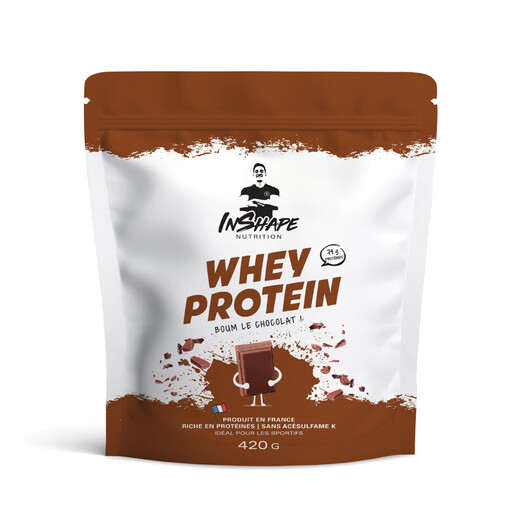
Why this choice suits this profile: At 420 g, this size lets you try a chocolate whey without committing to a large tub straight away. A 30 g serving provides 22.2 g of protein.
The nutritional values per serving are clearly stated: 1.4 g of fat and 2.1 g of sugar per 30 g of powder.
A chocolate flavour, 74 g of protein per 100 g and a recommended preparation with 200 ml of water or milk.
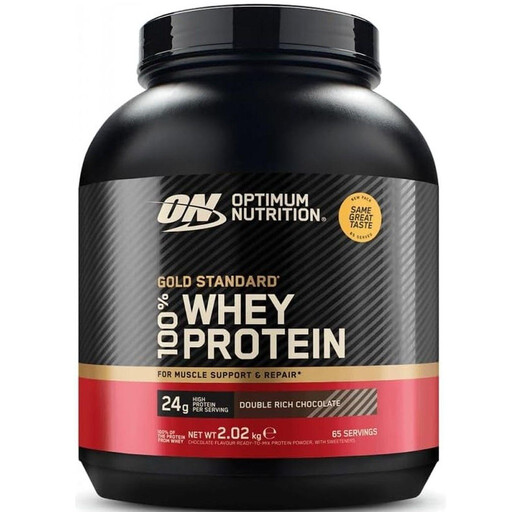
Why this choice suits this profile: This large tub is aimed at regular gym-goers who consume several servings a week and want to avoid reordering too often.
The product page details the blend of isolate, concentrate and hydrolysed isolate, rather than relying on a vague composition.
24 g of protein per 30 g serving, around 1 g of sugar and up to 65 servings stated.
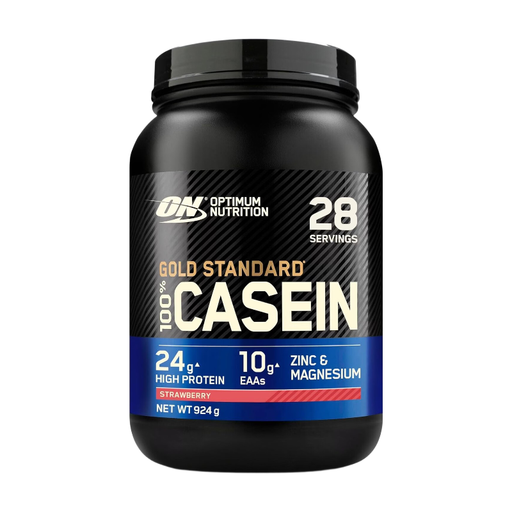
Why this choice suits this profile: This casein can suit those who want to diversify their protein sources and have a preparation in the evening or between meals.
The product page clearly states an 88% micellar casein content, with a defined serving of 33 g.
24 g of protein per serving, 0.6 g of fat in the stated version and preparation with 300 ml of water.
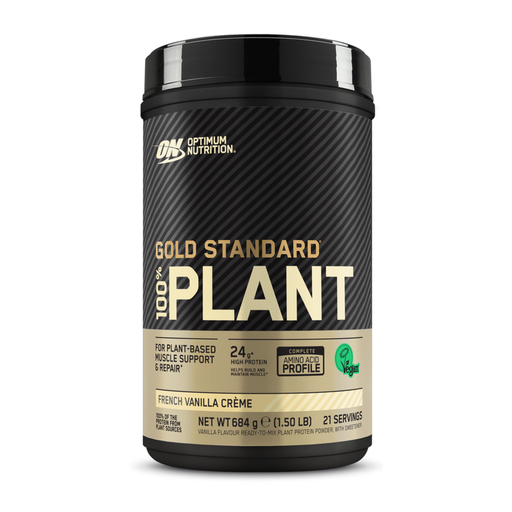
Why this choice suits this profile: Based on pea and rice, this formula is aimed at those looking for a sports protein without a predominantly dairy ingredient.
The composition explicitly mentions pea and rice protein — there's no doubt about the origin of the powder.
24 g of protein per 32 g serving, 0.6 g of sugar and a recommended preparation with 300 ml of water.
We've selected a comprehensive, real-time updated list of products that meet these demanding selection criteria and comply with European safety regulations.
The powder can be mixed with water or milk after a session, at breakfast or between meals. The best time mainly depends on your schedule and your overall dietary intake. When you're on the go, a single-serve sachet or a protein bar will often be more practical than a large tub with a shaker.
Follow the dose stated by the manufacturer and avoid combining several supplements without checking their composition. If you have an allergy, are pregnant, breastfeeding, on medication or have a health condition, seek advice from a healthcare professional.
The serving depends on the product and your dietary needs. The products featured here generally recommend between 28 g and 33 g of powder per serving. Use the scoop provided and consider whey as a supplement to a balanced diet, not as an exclusive source of protein.
The best-before date is on the packaging. After opening, keep the sachet or tub tightly sealed in a cool, dry place away from light. If the powder changes in smell, colour or texture, it's best not to consume it.
No. Whey can simply make it easier to get enough protein when meals aren't sufficient or you're short on time to cook. Results also depend on your training, overall diet, sleep and consistency.