
Livraison le jour même ou le lendemain

Qualité garantie

Débloquez vos offres de bienvenue: Livraison GRATUITE | Jusqu'à -80 % | 30 jours d'essai gratuits à JoyPlus
Téléchargez l'application
Are you looking for whey protein powder to supplement your meals, support your training, or easily increase your daily intake? With whey concentrate, whey isolate, casein and plant proteins on the market, the choice can quickly become overwhelming.
Some marketing claims, however, deserve a closer look. A protein powder that's high in protein isn't necessarily the best fit for your diet, your digestion or your lifestyle. Here are the key factors to consider before buying, along with a selection of products suited to different needs.
A large tub doesn't always mean a more concentrated formula. Always compare the "protein per 100g" line and the amount per serving. A 30–32g serving containing between 22 and 24g of protein is a good benchmark for comparing different products.
Also check the actual number of servings. A 2kg tub might look economical, but its value really depends on the number of servings and the price per serving.
Whey isolate is generally a more filtered milk protein than whey concentrate. However, a single formula can combine isolate, concentrate and hydrolysed whey. So it's better to check the full ingredients list rather than just the term on the front of the pack.
Anyone sensitive to dairy should also check the allergens. Most whey products contain milk, and some also include soya lecithin.
A chocolate or vanilla protein powder you genuinely enjoy will be much easier to incorporate into your routine. Mixing with water is handy after a workout, while milk or a plant-based drink gives a richer texture.
Whey sachets are convenient for travel, the office or the gym. At home, a large tub is usually more practical if you use it regularly.
Start by looking at the amount of protein per serving, then check the carbohydrates, sugars, fats and calorie content. As a guide, several products in this selection provide 22–24g of protein per serving, for around 113–128 kcal depending on the recipe.
The recommended serving size isn't a one-size-fits-all rule. It needs to fit into your total daily intake, which can also come from eggs, dairy, pulses, fish, meat or grains.
Check for the presence of milk, soya, gluten, eggs, peanuts or tree nuts. Sweeteners, thickeners and flavourings can also affect taste and digestive tolerance.
In the UK, a protein supplement is not a substitute for a varied diet. Stick to the serving size on the pack and consult a healthcare professional if you are pregnant, on medication, have a known medical condition or experience discomfort after use.
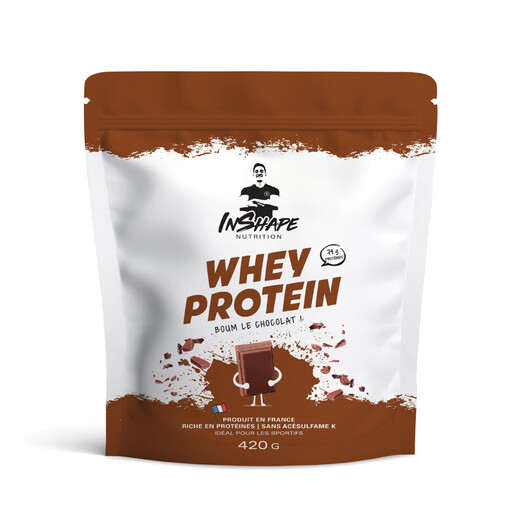
Why this suits this profile: At 420g, this size lets you try a chocolate whey without committing to a large tub straight away. Each 30g serving provides 22.2g of protein.
The product page clearly shows the 30g serving, protein content and allergens, making it easy to compare.
22.2g protein per serving, 1.4g fat and can be mixed with water or milk.
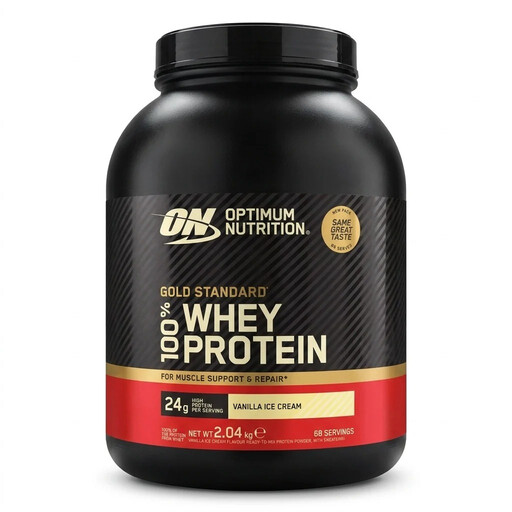
Why this suits this profile: Its large tub is ideal for regular use, especially for bodybuilding, fitness or frequent training sessions.
The per-serving and per-100g data are clearly shown: 24g protein per 30g serving, with 1.3g fat and 1g sugar.
A blend of isolate, concentrate and hydrolysed isolate; vanilla flavour and a 2.04kg tub.
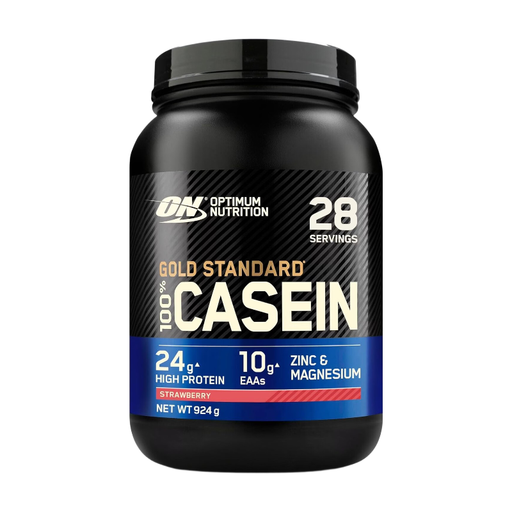
Why this suits this profile: Micellar casein is designed for those who want a slower-digesting protein, particularly before bed or between meals.
This isn't a general-purpose whey: the product page clearly states it's micellar casein and shows a 33g serving.
24g protein per serving, 0.6g fat and a strawberry flavour.
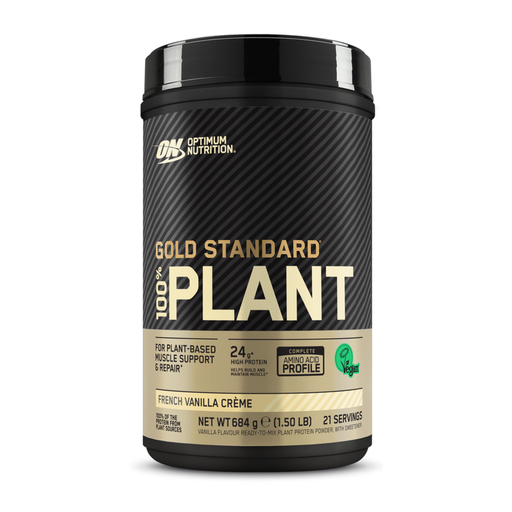
Why this suits this profile: Made from pea and rice, this product is suitable for those looking for a plant protein without added dairy ingredients.
The ingredients list clearly states the plant sources, the 32g serving and any possible traces of other allergens.
24g protein per serving, a pea-rice blend and a vanilla flavour.
We've put together a full, real-time updated list of products that meet these strict selection criteria and comply with European safety regulations.
Generally, mix one serving with 180–300ml of water, milk or your chosen drink, depending on the texture you prefer. A protein shake after your workout can be handy when you can't eat straight away, but the timing of your intake is less important than your total daily protein intake.
To store your powder properly, seal the tub or sachet carefully and keep it in a cool, dry place away from direct light. Don't use a serving if the appearance, smell or taste seems unusual.
Start by following the serving size on the pack. One to two servings can supplement an active adult's diet, but the right amount depends on your meals, your physical activity and your individual needs. A protein powder should not replace a varied diet.
Yes, as long as you use it as a food supplement within a balanced diet. Varying your protein sources, however, helps to keep your meals interesting. If you have a milk allergy, are on medication or have a health condition, consult a healthcare professional.
Whey is often taken around workouts or between meals, while micellar casein is preferred when you want a slower-digesting protein, particularly in the evening. The choice really depends on your eating pattern and personal preferences.