
Livraison le jour même ou le lendemain

Qualité garantie

Débloquez vos offres de bienvenue: Livraison GRATUITE | Jusqu'à -80 % | 30 jours d'essai gratuits à JoyPlus
Téléchargez l'application
You’re looking for a whey protein powder to supplement your diet, but the packaging is full of promises and makes comparisons difficult. Whey isolate, whey concentrate, hydrolysate, BCAA content, large formats… the choice can quickly become costly.
Three mistakes crop up time and again:
To avoid unprofitable purchases, always compare the composition per serving, the number of doses and the list of allergens.
The first thing to look at is the amount of protein per dose. This is usually 25 to 35 g of powder. The products featured here provide around 22 to 24 g of protein per serving, depending on the dosage stated by the manufacturer.
The value per 100 g is also worth your attention. For example:
This comparison helps you tell a whey protein for bodybuilding that is truly concentrated from a powder whose weight is mostly made up of flavourings or carbohydrates.
Whey concentrate retains more of the components naturally present in milk. It’s often a simple solution for increasing your daily protein intake, especially when the price per serving matters.
Whey isolate undergoes more thorough filtration. It can therefore have a higher protein content and contain less lactose, carbohydrates or fats. However, it’s still best to check the numbers on the label rather than relying solely on the product name. Some formulas actually combine whey isolate, whey concentrate and whey hydrolysate.
Hydrolysate is a partially broken-down protein. That doesn’t necessarily mean it will suit everyone better. For a post-workout protein, ease of preparation, digestive tolerance and the overall balance of your diet matter just as much.
A small format is handy for trying a vanilla or chocolate flavour without immediately investing in a large bag. A pack of over 2 kg can sometimes reduce the price per serving, but only if you use the powder regularly and enjoy its taste.
Also remember to check:
The powder is not a substitute for a varied diet. As part of a balanced diet and resistance training, proteins contribute to the maintenance and growth of muscle mass, in line with the claims authorised at European level.
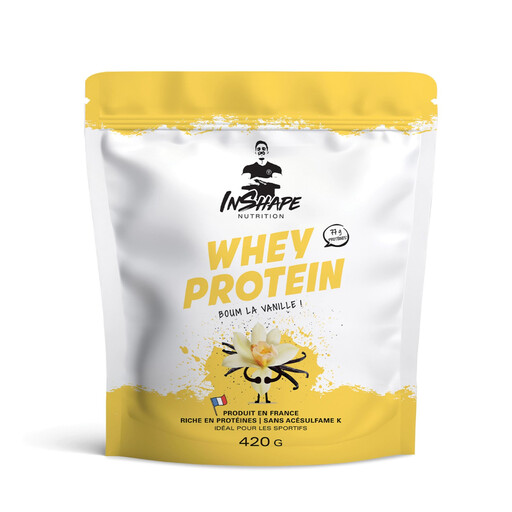
Why this choice suits this profile: At 420 g, this format lets you try a vanilla-flavoured protein powder without starting with a large pack. A 30 g serving provides 23.1 g of protein, with 1.3 g of fat and 2.6 g of sugars according to the information provided.
The table details the values per serving and per 100 g, making it easy to compare this product with other formulas before you buy.
Vanilla flavour, can be prepared with water or milk, 77 g of protein per 100 g and contains fast-absorbing milk proteins according to the product sheet.
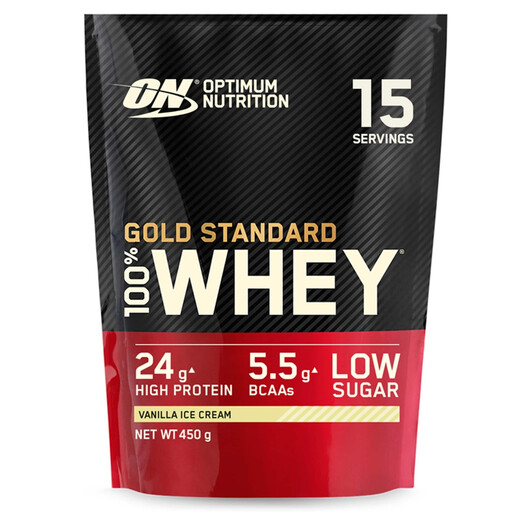
Why this choice suits this profile: This formula combines whey isolate, whey concentrate and hydrolysed whey isolate. It’s aimed at users who want to examine a detailed composition and enjoy 24 g of protein per serving in a medium-sized format.
The amounts of protein, sugars and fats are shown per dose, rather than relying solely on marketing promises.
24 g of protein per serving, 1.3 g of fat, 0.9 g of sugars and can be prepared with 180 to 240 ml of liquid according to the product sheet.
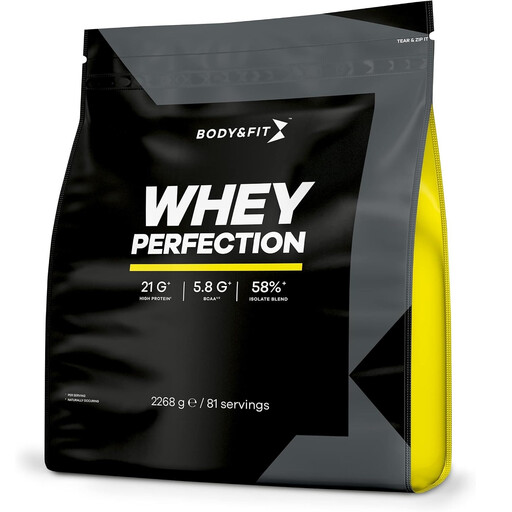
Why this choice suits this profile: With its 2.26 kg and around 81 stated servings, this pack is aimed at athletes who use whey regularly after their sessions or between meals.
The large format means you don’t have to reorder too often, while the product sheet specifies the 28 g dose and the daily limit stated by the manufacturer.
22 g of protein per serving, a blend of whey isolate, concentrate and hydrolysate, with 1.5 g of sugars and 1.6 g of fat per dose.
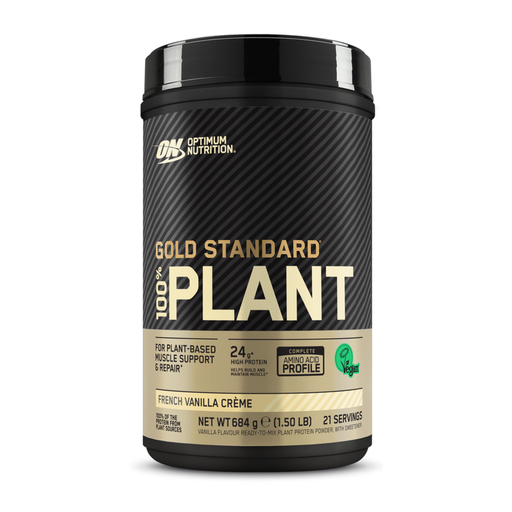
Why this choice suits this profile: This vegan protein combines pea and rice to provide 24 g of protein per 32 g serving. It offers a dairy-free alternative for adults following a plant-based diet.
The source of the protein is clearly stated: pea and rice. So you won’t confuse a standard whey with a plant-based powder.
24 g of protein, 5.3 g of fibre per 100 g and a formula based on pea and rice proteins according to the product sheet provided.
We’ve put together a comprehensive selection, updated in real time, of products that meet these demanding criteria and European safety requirements.
Casein protein is a milk protein generally considered to be slower to digest than whey. It can have its place between meals or in the evening, depending on your needs and eating habits. This choice is by no means essential for all athletes: your total protein intake over the day remains the deciding factor.
The dose depends on your diet, your size, your activity level and the recommendations on the packaging. The products featured generally suggest a serving of 28 to 32 g of powder, which provides 22 to 24 g of protein. Use whey as a supplement, not as a regular replacement for a balanced meal.
Respect the best-before date on the packaging. After opening, seal the bag carefully and store it in a dry, cool place away from light. An unusual smell, powder that has absorbed moisture or a noticeable change in texture should prompt you not to consume the product.